ONE of the biggest fears men have is infertility. However, most do not care to examine their testicles regularly from teenage years, missing the chance to identify the “bag of worms” syndrome, a leading cause of infertility.
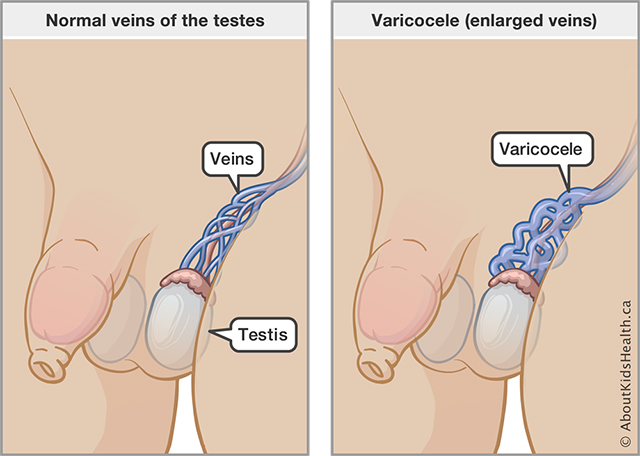
The “bag of worms” syndrome is medically known as varicocele (pronounced Var-ih-koe-seel), a condition where veins, known as pampiniform plexus, become enlarged inside a man’s scrotum or testicle.
The Windhoek Central Hospital’s urologist, Dr Golda Stellmacher said the condition is widespread in Namibia, and develops from the time boys reach puberty.
The “bag of worms” syndrome can only be identified if a person regularly examines themselves by comparing both testicles, she noted.
“When you examine yourself, stand up and put your fingers on your testicles, and pull them down. You will feel a bag of worms. You will also have a heavy feeling, a dragging feeling. Most people wait until things get worse before they seek treatment,” said Stellmacher.
The doctor urged families and society to educate themselves on the subject, but added that most men or even teenage boys fear talking about it to their parents.
Eclesiaste Gabriel, an assistant at the Men’s Clinic International, yesterday said over 50% of the Namibian men who are incapable of having children have varicocele-induced infertility
He explained that a man’s spermatic cord holds up each testicle, and this cord also contains the veins, arteries and nerves which support the glands.
However, when one has varicocele, blood does not move in the veins like it should and instead begins to pool in the veins, causing them to enlarge.
“Varicoceles might keep the local temperature in or around the testicle too high, which results in decreased sperm production and quality, which may lead to infertility in some cases. Varicoceles is common,” said Gabriel.
“It is hard to tell the exact number of men suffering from this condition in Namibia, but about 50% of men who visit our clinic suffer testicular conditions. This does not differ much from studies such as those in the African Journal of Urology, which show that 55% of fertile and 12% of sub-fertile men in Africa suffer from varicoceles,” stated Gabriel.
According to the Urology Care Foundation, which falls under the American Urological Association, most men do not exhibit any symptoms.
“But Varicoceles are a concern for many reasons. Some may cause infertility, and slow growth of the left testicle during puberty.
Varicocele may be the cause of fertility problems in about four out of 10 men who have problems fathering their first child,” stated the website.
The website gives detailed options for treatment, some of which were mentioned by Stellmacher and Gabriel.
According to the website, surgery can be done where blood flow in the pampiniform plexus veins is blocked, or one where a single one-inch cut is made to repair some veins.
Another form of treatment is percutaneous embolisation, where a tube is placed into a vein in either the groin or neck, while an X-ray is used to check on the enlarged pampiniform plexus veins.
Coils or balloons are opened through the tube to block the veins, halting the blood flow in the veins, and causing the varicocele to shrink.
‘HIGH RISK’ ACTIVITIES FOR VARICOCELE
Jumping Activities: basketball & volleyball
High Intensity Activities: wieghlifting, football & martial arts
Long -Duration Activities: biking and running basketball & volleyball
All Activities: push-ups, squats, daily tasks, sitting, standing, etc.
In an age of information overload, Sunrise is The Namibian’s morning briefing, delivered at 6h00 from Monday to Friday. It offers a curated rundown of the most important stories from the past 24 hours – occasionally with a light, witty touch. It’s an essential way to stay informed. Subscribe and join our newsletter community.

The Namibian uses AI tools to assist with improved quality, accuracy and efficiency, while maintaining editorial oversight and journalistic integrity.
Stay informed with The Namibian – your source for credible journalism. Get in-depth reporting and opinions for
only N$85 a month. Invest in journalism, invest in democracy –
Subscribe Now!