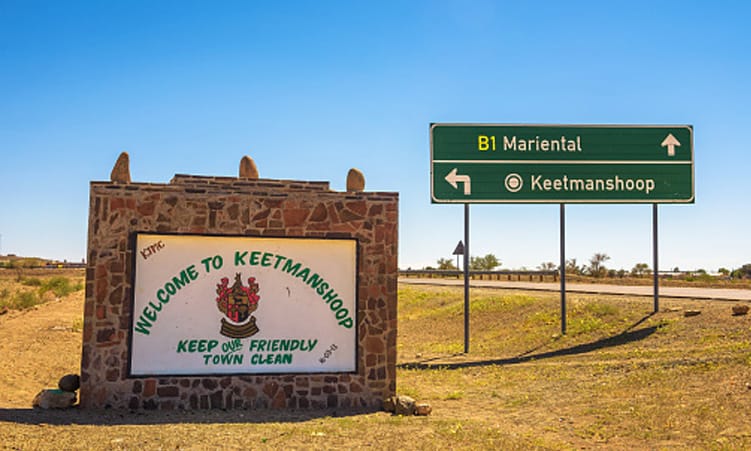






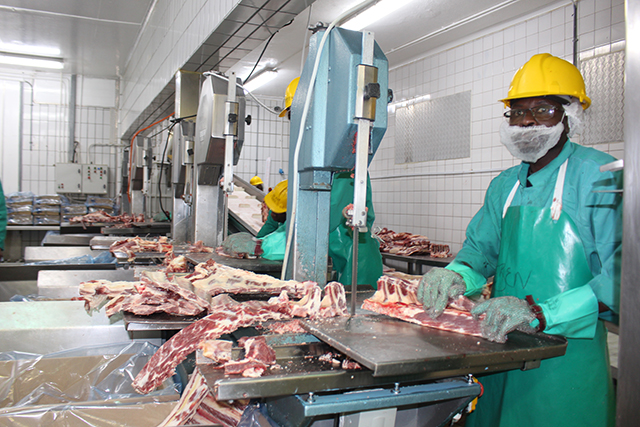
FOR the next five years, Meatco will again operate the Katima Mulilo abattoir, which will have its trial slaughter later this month, the ministry of agriculture’s executive director, Percy Misika, has announced.
Misika made this announcement on Sunday at a press conference held after a five-day familiarisation visit to the Zambezi region that he undertook with agriculture minister Alpheus !Naruseb.
Farmers in the region have not had a market for their cattle since Meatco closed its doors over operational losses of almost N$43 million during the 2014/2015 financial year.
The closure of the Katima Mulilo as well as the Oshakati abattoirs left farmers struggling to find markets for their cattle until 2018 when the government invested about N$14 million into the renovation and commissioning of the abattoir.
After the renovations, the Ministry of Agriculture, Water and Forestry handed over the management of the abattoir to a private company, Zambezi Meat Corporation (Zamco), which had won the tender to run the abattoir. However, according to Misika, Zamco lacks the capacity to run the abattoir efficiently.
Misika added that because of this, Meatco has agreed to work in partnership with Zamco. Under the partnership, Zamco would, for the next five years, secure livestock on behalf of Meatco, which would operate the abattoir.
Misika said: “If the capacity of Zamco enhances technically, administratively and financially during this five-year period, it will then take over from Meatco.”
He, however, expressed concern over the poor condition which the Katima Mulilo quarantine facility is in, as it was vandalised by the community. He said this has a direct effect on the operations of the abattoir.
“For the abattoir to run smoothly, we have to ensure that the quarantine pen is in a good state. Unfortunately, the Katima Mulilo quarantine enclosure is in a very bad state. The community vandalised this facility, not knowing that they are disadvantaging themselves. This facility is there to facilitate the marketing of our livestock,” Misika said.
He pointed out that currently all the fences are gone and the water tanks are gone.
“People of this region stole the equipment and now the abattoir is ready to open, but we cannot put the cattle under quarantine,” Misika said.
He further reminded the community members that the Zambezi region is prone to diseases such as foot-and-mouth disease, so the livestock should be put under quarantine for 30 days before slaughter.
However, he acknowledged that the Sachinga quarantine facility is in a good state, but the fence needs to be fixed, the boreholes rehabilitated and the corridors maintained by de-bushing and clearing the grass.
This week, Meatco would be able to move livestock into the Sachinga quarantine facility and at least within a month the Katima Mulilo abattoir would be fully operational.
He added that for it to operate at maximum capacity, the region would need a second quarantine facility.
“Therefore, we will have to do more to rehabilitate the Katima Mulilo quarantine facility and we hope once we have done that the community would desist from vandalising these facilities,” he pleaded.
Speaking at the same media briefing, minister !Naruseb, noted the challenges the Kalimbeza rice project is facing, such as the non-payment of casual workers.