





LUANDA – Easier supply of Africa’s rough diamonds may allow for 70 per cent of the continent’s production to be polished at home rather than abroad, Israeli diamond businessman Lev Leviev said.
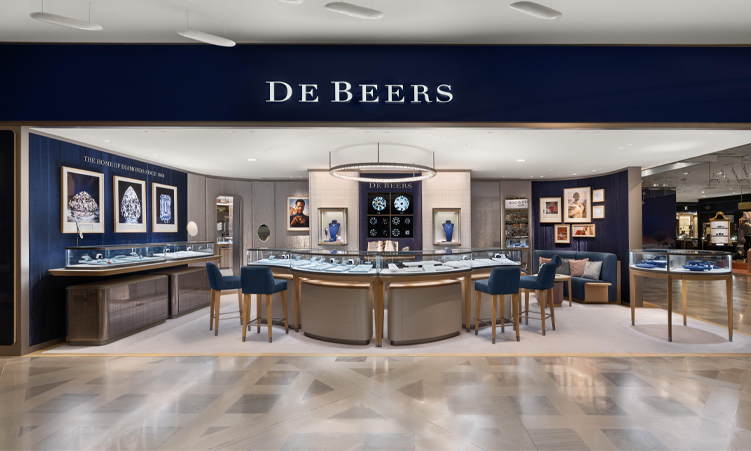
Speaking shortly after inaugurating a new hi-tech diamond polishing factory in Luanda, Leviev – who has similar plants in Namibia, South Africa, Moscow and Armenia – said his firm LLD Diamond Ltd was in a position to process more African diamonds. “We are ready for polishing any quantity.But I see that there must be a process of changing of laws in some countries,” Leviev said.”In my opinion there is no problem, and it’s completely possible, to polish around 70 per cent of the local production of rough diamonds in Africa,” he added.Leviev said he had struggled to get a decent and fairly priced supply of rough diamonds for his Namibia polishing factory, which he opened in July last year.In Namibia – and the rest of the world – South African giant De Beers has held onto the marketing of the precious gems.Despite this, Leviev’s operations have grown to make him the nearest rival to the world’s biggest gem firm.Uzbekistan-born Leviev, whose LLD Diamond Ltd has a turnover of more than US$2,5 billion (N$16,75 billion), said South Africa’s new bill on diamond supply would allow him to expand his business there.”Till now De Beers was the entity that would choose who would buy the diamonds from South Africa and, as I understand the new bill, the ministry of mines will be the entity who will choose who will buy diamonds,” Leviev said.”Of course today we depend on the open market in South Africa.If I will have a large quantity and stable and consistent supply, of course I will be able to enlarge my business there,” he added.The US$10 million Luanda plant – situated south of the capital in the industrial Talatona district – would produce around 70 000 carats, or US$30 million, of diamonds per month with a workforce of around 600.He had approached Botswana – the world’s biggest diamond producer – with a proposal to develop its polishing sector with a view to tripling its current pool of polishers, he said.”There is plenty of space to create new workplaces in Africa,” Leviev said.”I think all those assumptions and those claims and those sayings that the African people and African countries are not ready yet, not capable yet of polishing diamonds, I think it’s wrong,” he added.Leviev’s Leviev Group of Companies includes LLD Diamond Ltd and has several ventures with the Angolan state.He has an 18 per cent share in the country’s largest mine, Catoca, as well as a stake in two other mines already in production – Yetwene and Projeto Luremo – and another two that are in the prospecting phase.Leviev said adding value to diamonds once they had been extracted was essential to fuelling development on the world’s poorest continent.”There is a range of 30 to 40 per cent unemployment in Africa.And at the same time in the US and Europe there is a lot of talking and a lot of deliberations about how to help those poor people and how to give them money,” Leviev said.”The more simple solution is to help them help themselves and to invest in leaving here more raw materials and investing in the raw material on the ground,” he added The risk of mining in Angola had substantially eased after civil war ended in April 2002, making Angola a better business opportunity than ever before, Leviev said.Leviev’s interests in the industry range from mining, cutting and polishing right through to jewellery retail and he has a joint venture with listed Italian jeweller Bulgari.- Nampa-Reuters”We are ready for polishing any quantity.But I see that there must be a process of changing of laws in some countries,” Leviev said.”In my opinion there is no problem, and it’s completely possible, to polish around 70 per cent of the local production of rough diamonds in Africa,” he added.Leviev said he had struggled to get a decent and fairly priced supply of rough diamonds for his Namibia polishing factory, which he opened in July last year.In Namibia – and the rest of the world – South African giant De Beers has held onto the marketing of the precious gems.Despite this, Leviev’s operations have grown to make him the nearest rival to the world’s biggest gem firm.Uzbekistan-born Leviev, whose LLD Diamond Ltd has a turnover of more than US$2,5 billion (N$16,75 billion), said South Africa’s new bill on diamond supply would allow him to expand his business there.”Till now De Beers was the entity that would choose who would buy the diamonds from South Africa and, as I understand the new bill, the ministry of mines will be the entity who will choose who will buy diamonds,” Leviev said.”Of course today we depend on the open market in South Africa.If I will have a large quantity and stable and consistent supply, of course I will be able to enlarge my business there,” he added.The US$10 million Luanda plant – situated south of the capital in the industrial Talatona district – would produce around 70 000 carats, or US$30 million, of diamonds per month with a workforce of around 600.He had approached Botswana – the world’s biggest diamond producer – with a proposal to develop its polishing sector with a view to tripling its current pool of polishers, he said.”There is plenty of space to create new workplaces in Africa,” Leviev said.”I think all those assumptions and those claims and those sayings that the African people and African countries are not ready yet, not capable yet of polishing diamonds, I think it’s wrong,” he added.Leviev’s Leviev Group of Companies includes LLD Diamond Ltd and has several ventures with the Angolan state.He has an 18 per cent share in the country’s largest mine, Catoca, as well as a stake in two other mines already in production – Yetwene and Projeto Luremo – and another two that are in the prospecting phase.Leviev said adding value to diamonds once they had been extracted was essential to fuelling development on the world’s poorest continent.”There is a range of 30 to 40 per cent unemployment in Africa.And at the same time in the US and Europe there is a lot of talking and a lot of deliberations about how to help those poor people and how to give them money,” Leviev said.”The more simple solution is to help them help themselves and to invest in leaving here more raw materials and investing in the raw material on the ground,” he added The risk of mining in Angola had substantially eased after civil war ended in April 2002, making Angola a better business opportunity than ever before, Leviev said.Leviev’s interests in the industry range from mining, cutting and polishing right through to jewellery retail and he has a joint venture with listed Italian jeweller Bulgari. – Nampa-Reuters