



EACH person responds differently to news of serious illness, be it with fear, anger, denial, hope or grief.
For 56-year-old Elizabeth Siteketa, being diagnosed with leprosy did not come as a surprise at all as most of her relatives either died of the disease, or are living with it.
Siteketa said most people do not know about leprosy because more often than not, victims do not talk about it.
“When you make your thoughts and feelings known, we, leprosy victims, can receive the care and help we need,” she observed.
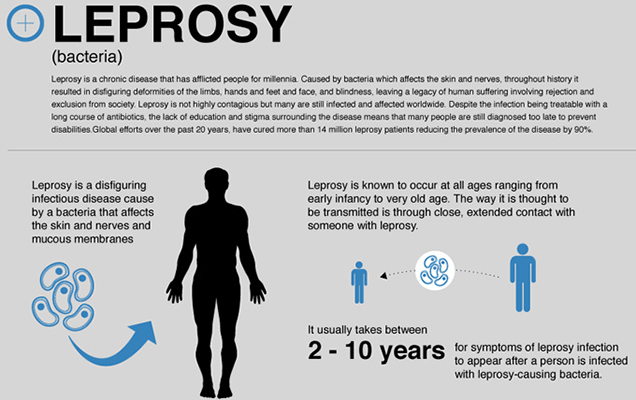
According to a dermatologist at the Ongwediva Medipark, Dr Elisah Agaba, leprosy is a chronic infectious disease which affects mainly the skin and nerves.
“It is caused by a micro-organism called mycobacterium leprae. It rarely kills, but leads to serious deformities, disabilities and stigmatisation. Because of the associated stigma in most societies, there is a strong feeling that a leprosy patient is shameful and should not be accepted into society,” Agaba said.
He added that the general public needs to know that leprosy is 100% curable, while early detection and treatment to avoid deformities, stigma and discrimination are important.
There is a lot of false social perceptions about leprosy since Biblical times.
“Some people perceived it as a punishment from God on the victims for wrongdoing. Even today in some parts of the world, people mistakenly believe that leprosy is a hereditary disease,” Agaba explained.
Siteketa said with so much discrimination against victims, she is more determined to confront and fight leprosy, but realised the fight is not a one-man show.
“It is difficult for us, as it is. We need help, love and understanding. People think by touching you or being with you in the same room, they will get leprosy,” she continued.
Agaba said leprosy is contagious, but that not all individuals exposed to the disease get infected.
“This happens when nasal or oral droplets from an infected person get into another person’s nasal passage. The disease is not highly contagious like flu.”
“When there is close or intimate contact, the risk of transmission from household contact is 25%,” the dermatologist stated.
Leprosy is caused mainly by mycobacterium leprae, a rod-shaped bacillus that is an obligate intracellular bacterium (only grows inside of certain human and animal cells).
M. leprae is termed an “acid-fast” bacterium because of its chemical characteristics. When special stains are used for microscopic analysis, it stains red on a blue background due to mycolic acid content in its cell walls.
Unfortunately, the early signs and symptoms of leprosy are very subtle and occur slowly (usually over years). The symptoms are similar to those which may occur with syphilis, tetanus, and leptospirosis. The following are the major signs and symptoms of leprosy:
ν Numbness (among the first symptoms)
ν Loss of temperature sensation (among the first symptoms)
ν Touch sensation reduced (among the first symptoms)
ν Pins and needles sensations (among the first symptoms)
ν Pain (joints)
ν Deep-pressure sensations are decreased or lost
ν Nerve injury
ν Blisters and rashes
ν Ulcers, relatively painless
ν Skin lesions of hypo-pigmented macules (flat, pale areas of skin that lost colour)
In an age of information overload, Sunrise is The Namibian’s morning briefing, delivered at 6h00 from Monday to Friday. It offers a curated rundown of the most important stories from the past 24 hours – occasionally with a light, witty touch. It’s an essential way to stay informed. Subscribe and join our newsletter community.

The Namibian uses AI tools to assist with improved quality, accuracy and efficiency, while maintaining editorial oversight and journalistic integrity.
Stay informed with The Namibian – your source for credible journalism. Get in-depth reporting and opinions for
only N$85 a month. Invest in journalism, invest in democracy –
Subscribe Now!