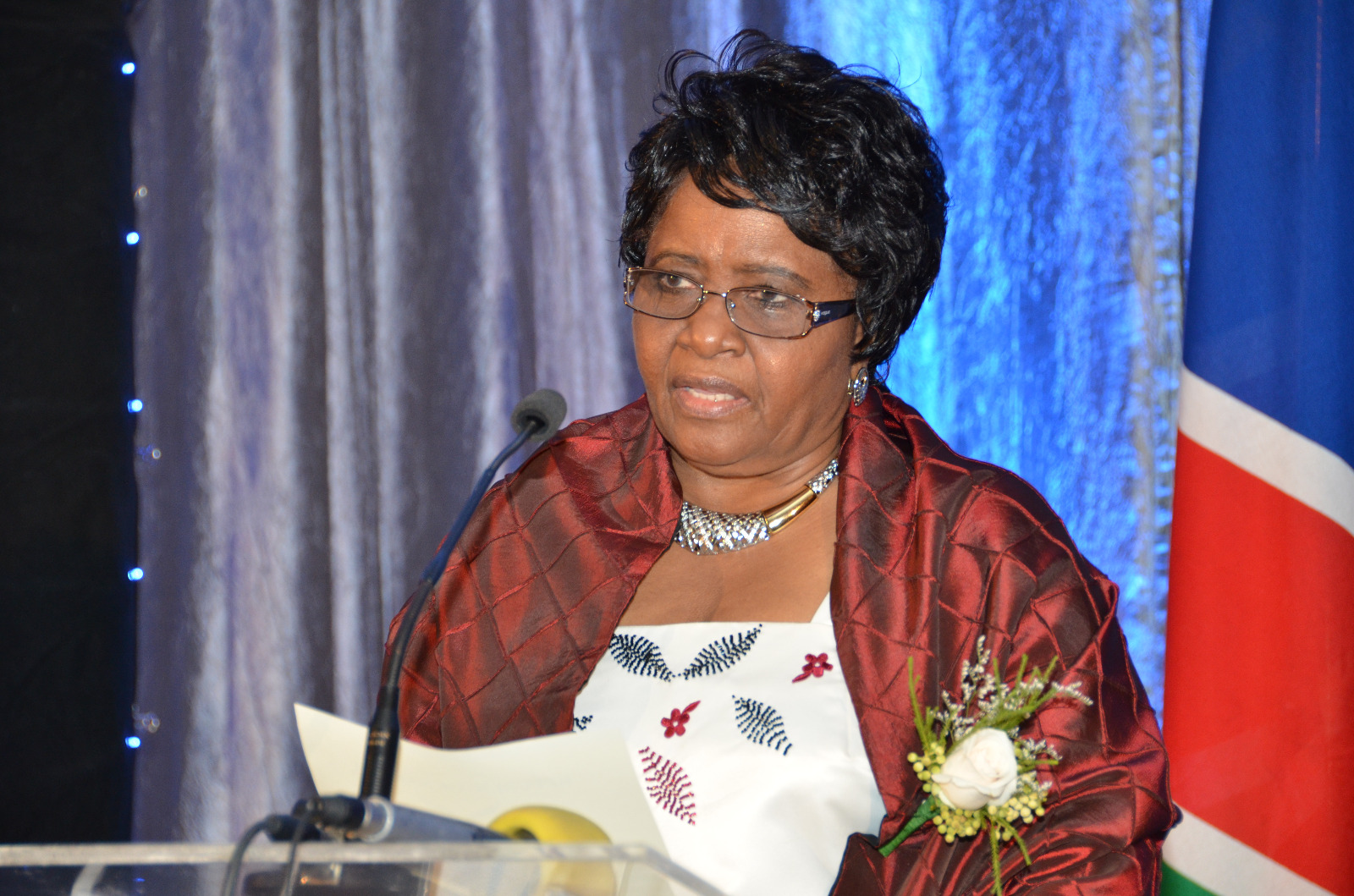
National Assembly speaker Saara Kuugongelwa-Amadhila has called on media organisations to report fairly on women in leadership positions.
She says coverage often focuses on their controversy and personal conduct instead of their work and achievements.
Kuugongelwa-Amadhila says this type of reporting is unbalanced, can affect how the public sees women leaders and discourages women from partaking in public matters.
She made the remarks at the 35th anniversary celebrations of the Namibian Broadcasting Corporation in Windhoek on Friday.
“The effect of this imbalance is not neutral. It erodes public confidence in women leaders, and it erodes the confidence of those women themselves,” she said.
She said women leaders are often judged more on personal issues and criticism, while less attention is given to their work in the government, business, science and other areas.
She added that when reporting focuses on personal conduct instead of performance, it weakens accountability and distorts how leadership is understood.
“The media has a responsibility to ensure that women are assessed on the substance of their work,” she said.
Kuugongelwa-Amadhila said her call was not for media houses to give women leaders favourable treatment, but for reporting that is fair and based on facts.
“This is not a call for favourable coverage. It is a call for fair, substantive, and contextualised coverage,” she said.
She said media institutions play an important role in shaping public opinion and should be careful about how they present leaders to society.
The speaker also raised concern about online abuse targeting women, including harassment, impersonation, deepfakes and disinformation campaigns.
“A common consequence, well documented in the research, is that women withdraw from their online presence or reduce their public participation altogether. In the worst cases, they leave public life entirely,” she said.
Kuugongelwa-Amadhila urged public media organisations to avoid spreading abusive content and to report responsibly on digital violence against women.
She also called for more training of journalists in specialised fields such as economics, public finance, health, technology and legislative processes.