The community seed bank planned for the Uuvudhiya constituency in the Oshana region will primarily benefit people residing in the Kunene-Cuvelai landscape.
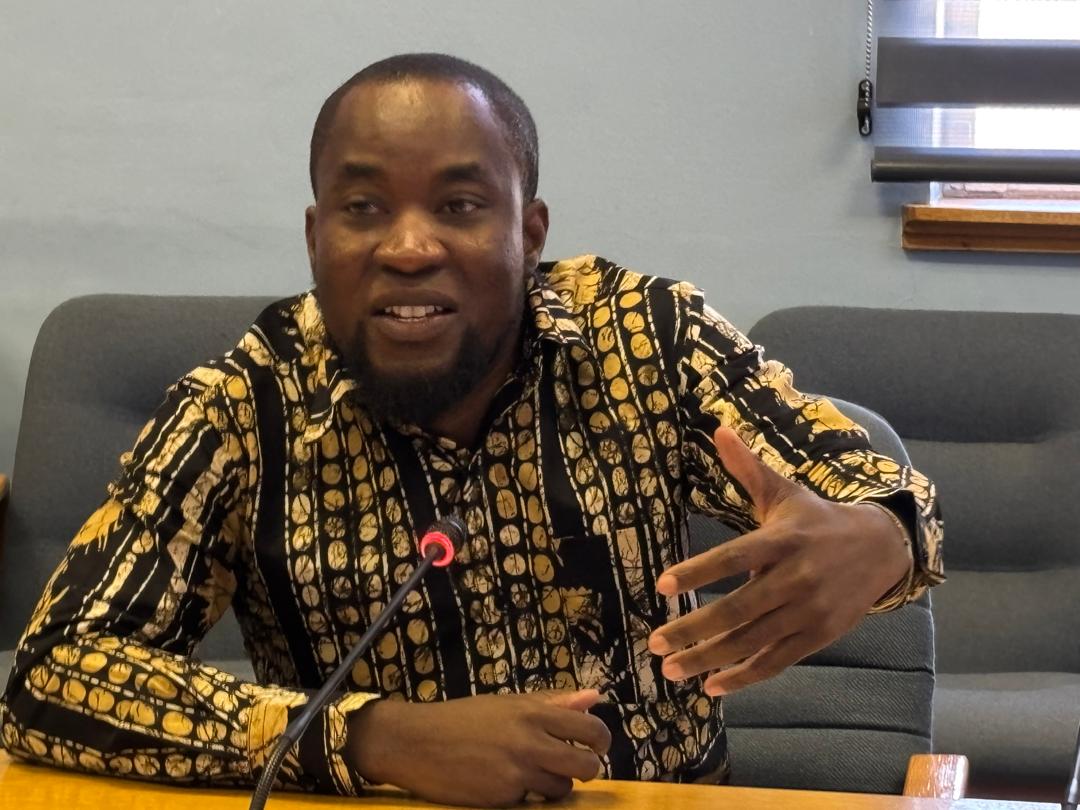
This was revealed by chief forester Mubita Chaka of the National Plant Genetic Resources Centre in the Ministry of Environment and Tourism at a community meeting at Omusati gwa Niita village last week.
The seed bank, which will be established at the Eengombe Agricultural Development Centre, will benefit people in the Kunene-Cuvelai landscape due to their previous environmental challenges such as floods, drought, veldfires and climate change, which have led to the disappearance of indigenous seeds, both for crops and wild plants.
“The seed bank will cater for the people in the landscape first before we go outside,” Chaka said.
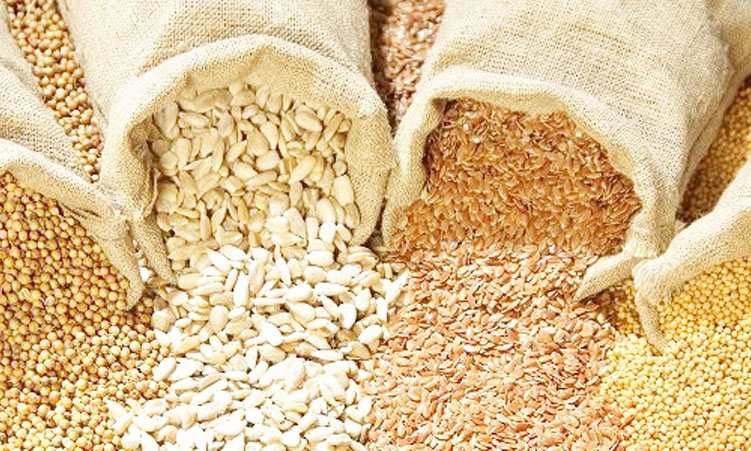
He said the main aim of community seed banks is to protect and preserve indigenous seeds as they have adapted to local environmental changes.
“We want to ensure that these seeds are not lost and in doing so, we want to engage farmers. So, if you happen to lose some of your indigenous seeds you can still get them from the community seed bank,” Chaka said.
Martin Toivo, a pensioner from Onaushe village, has expressed gratitude for the initiative. He says erratic and unpredictable rainfall has caused some farmers to replant their mahangu fields due to lack of rainfall, which leads to farmers finishing their seeds.
The seed bank, which is funded by the Drylands Sustainable Landscapes Impact Project (DSL-IP), is being jointly implemented by the Ministry of Agriculture, Fisheries Water and Land Reform and the environment ministry, in collaboration with the national resources centre.
Funded by the Global Environment Facility through the Food and Agriculture Organisation of the United Nations, the DSL-IP is aimed at facilitating a transformational shift towards sustainable, integrated management of multi-use dry landscapes in the Mopane-Miombo belt of Northern Namibia (comprising of the landscape namely: Okavango landscape, Etosha landscape and the Kunene-Cuvelai landscape).
The project is being implemented in 11 countries across Africa and Asia. In Namibia, it is set to run until April 2028 and was launched in March 2023.