






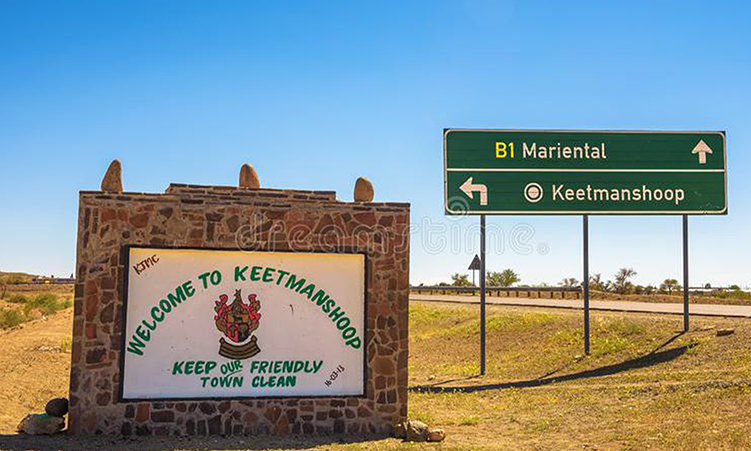
The Ministry of Urban and Rural Development and the Keetmanshoop Municipality are seeking to strengthen public-private partnerships with the local business community and the private sector to drive local development and economic growth.
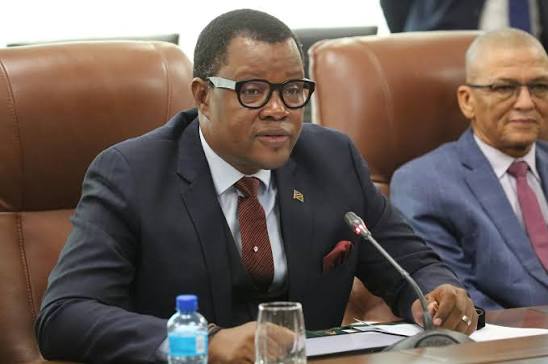
Ministry of Urban and Rural Development chief development planner Elton Uiseb says the two partners identified the need for targeted interventions through projects led by the municipality that can be awarded to small and medium enterprises (SMEs), making land available for industrialisation and enterprise development.
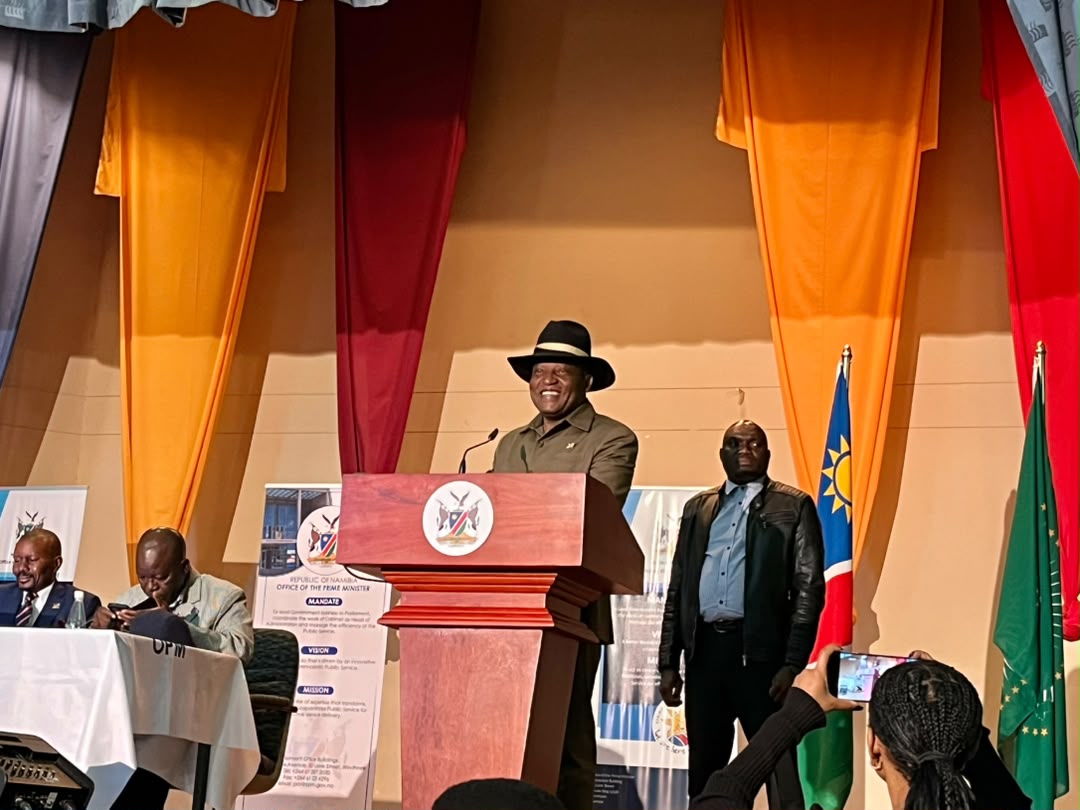
Uiseb made the remarks at a public-private dialogue held on Monday by the municipality and the ministry with the local business community.
The engagement provided a platform for the business sector to voice its challenges while fostering stronger collaboration between the government and the private sector.
“The policies of the government are clear. We have to promote industrial development, incentivise investors and provide employment to improve the living conditions of the people. Therefore, it is imperative for us as the government to hear from you directly what challenges you face in establishing your businesses, and growing your businesses,” said Uiseb.
In the past three years, Uiseb said the municipality in conjunction with the ministry agreed to outsource municipal projects such as tree planting, paving of roads and low-cost housing to qualifying small and medium enterprises.
Mayor Annelize Knaus says these projects mark a significant step towards the town’s growth and development as the municipality remains dedicated to bringing the best to their residents, and is working continuously towards improving essential services and infrastructure.
For enterprise development the municipality also provided basic business skills training for SMEs and aspiring business owners to support them.
“The developments not only aim to enhance the quality of life for the community but are aligned with their commitment to fostering economic growth and sustainability,” says Knaus.
Business people at the meeting raised concerns about rates and taxes, which they say can take up to 40% of their expenses, as well as the need for industrial erven and plots for urban agriculture.
Desmond van Wyk says he is a carpenter and would like to move his business out of his house, but there are no affordable industrial erven for SMEs.
“The industrial parks opened by the government to accommodate us small business people are all fully occupied and I can’t afford the high land prices which they say are market related prices,” says Van Wyk.
They question why there are no urban agriculture plots being made available for Keetmanshoop residents as is the case in the Hardap region.
“We can use these plots for horticulture to earn an income, employ others and for food security.”
Keetmanshoop has over the last seven to eight years noticed the closure of multiple retail shops, whether part of a retail group or individual businesses. The opening and closure of businesses in a town are good indicators of increasing economic activity or a reduction in economic activity.
Namibia Chamber of Commerce and Industry regional business developer Jeremiah Nghiwanwa says the business boom experienced at Keetmanshoop, with the construction of the Neckartal Dam, has decreased.
“The dam construction employed about 1 000 people from Keetmanshoop, that supported the buying power of the town, but have been laid off since the completion of the dam,” says Nghiwanwa.
Keetmanshoop’s economic livelihood historically depended on the farmers surrounding the town, mines around the region, dam construction as well, as tourism.
However, the past eight years have seen the reduction of economic activity in all three sectors, coupled with drought and the Covid-19 pandemic.