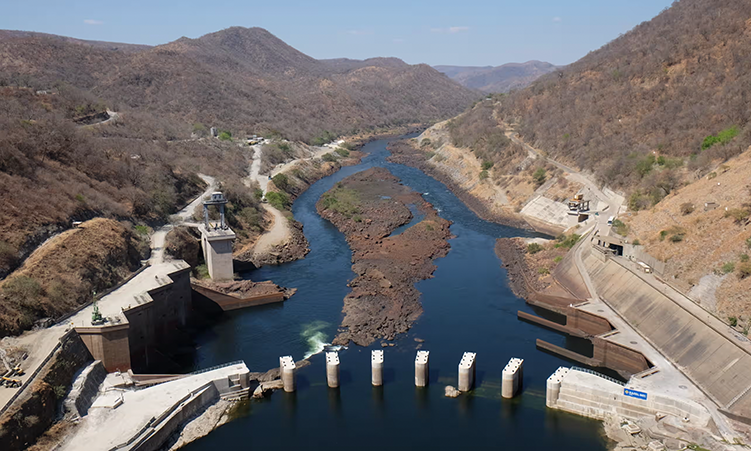
A Plunge in water levels at the world’s largest man-made reservoir, which has left Zambia and Zimbabwe without power for hours, shows why they need to diversify their energy sources.
“The over-dependence on hydropower has exposed the vulnerability of the energy mix,” Zambia’s energy minister, Makozo Chikote, says.
“This has been a wake-up call that has taught us to start thinking of alternative sources,” he said at an energy summit at Victoria Falls on Monday.
Zambia and Zimbabwe rely on the Kariba Dam for most of their electricity. But a severe drought has reduced water available for power generation to 2.4%, compared to 15.5% a year earlier, according to the Zambezi River Authority, which manages water allocations between the two nations.
Currently, Kariba is only producing about a tenth of its installed capacity of 1 050 megawatts.
That has left Zambia and Zimbabwe enduring hours-long power outages, hindering industries such as mining and agriculture and curtailing economic growth.
To address the shortfall, Zambia is seeking to ramp up its use of solar power, Chikote said.
The two nations should also explore the possibility of setting up “large-scale solar farms” that can generate enough power for regional exports, said Zimbabwean vice president Constantino Chiwenga at the event.
“These initiatives will not only enhance our national energy security but also position both nations as key players in the regional energy market.”
– miningweekly.com
A Plunge in water levels at the world’s largest man-made reservoir, which has left Zambia and Zimbabwe without power for hours, shows why they need to diversify their energy sources.
“The over-dependence on hydropower has exposed the vulnerability of the energy mix,” Zambia’s energy minister, Makozo Chikote, says.
“This has been a wake-up call that has taught us to start thinking of alternative sources,” he said at an energy summit at Victoria Falls on Monday.
Zambia and Zimbabwe rely on the Kariba Dam for most of their electricity. But a severe drought has reduced water available for power generation to 2.4%, compared to 15.5% a year earlier, according to the Zambezi River Authority, which manages water allocations between the two nations.
Currently, Kariba is only producing about a tenth of its installed capacity of 1 050 megawatts.
That has left Zambia and Zimbabwe enduring hours-long power outages, hindering industries such as mining and agriculture and curtailing economic growth.
To address the shortfall, Zambia is seeking to ramp up its use of solar power, Chikote said.
The two nations should also explore the possibility of setting up “large-scale solar farms” that can generate enough power for regional exports, said Zimbabwean vice president Constantino Chiwenga at the event.
“These initiatives will not only enhance our national energy security but also position both nations as key players in the regional energy market.”
– miningweekly.com
In an age of information overload, Sunrise is The Namibian’s morning briefing, delivered at 6h00 from Monday to Friday. It offers a curated rundown of the most important stories from the past 24 hours – occasionally with a light, witty touch. It’s an essential way to stay informed. Subscribe and join our newsletter community.

The Namibian uses AI tools to assist with improved quality, accuracy and efficiency, while maintaining editorial oversight and journalistic integrity.
Stay informed with The Namibian – your source for credible journalism. Get in-depth reporting and opinions for
only N$85 a month. Invest in journalism, invest in democracy –
Subscribe Now!