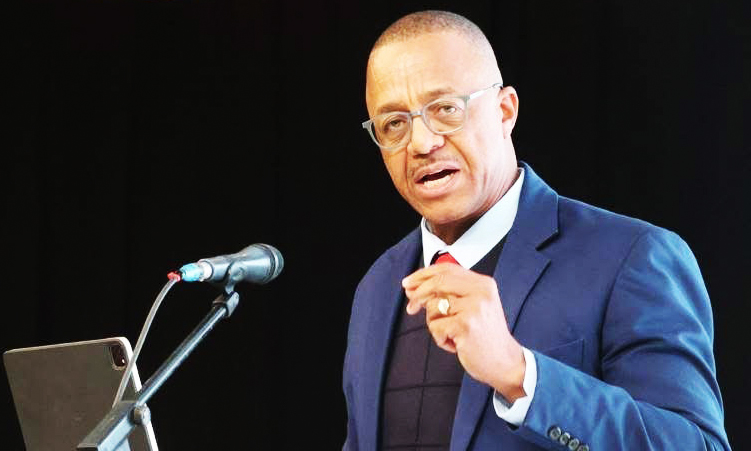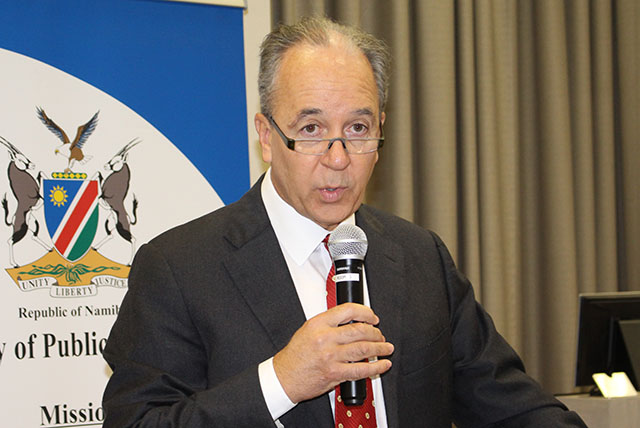
PUBLIC enterprises minister Leon Jooste said the passing of the Public Enterprises Governance Act was the start of greater things to come.
An upbeat Jooste expressed this sentiment during a recent interview with Nampa, during which he confirmed the enactment of the public enterprises governance bill into the an Act as published in the Government Gazette of 17 May 2019.
The Act, he said, public enterprises lack collective accountability and prudence.
The first step was to identify the appropriate governance infrastructure, and this has been done with the hybrid governance model.
“Secondly, we needed the appropriate legislative framework to implement the model and to allow for the reform process, and that has been done with the promulgation of the new act. Lastly, we need to ensure that the ministry has the appropriate structures and skills to conduct itself as a professional shareholder of a vast portfolio of SOEs, of which many are under various degrees of distress,” the minister stated.
The new law comes into force at a time when most state-owned enterprises are highly indebted, have exorbitant wage bills, and need to be recapitalised.
“The most important element to ensure the success of the reform of our SOEs is to equip ourselves with the right tools or weapons, and these are all equally important and non-negotiable,” Jooste said.
He said there is no one-size-fits-all solution for the SOEs, as each is faced with unique challenges which require unique interventions.
“From a shareholder’s point of view, we will have to start with the basics, and that is to appoint the right board members with the best possible skills mix, industry-specific skills and integrity,” he noted.
He added: “These professional boards will appoint professional CEOs (chief executive officers), and the same corporate culture will cascade throughout the entities.”
The minister said going forward, the government will only approve business plans that are feasible, unlike in the past where each CEO comes in with what is termed a “strategic plan”, but with little, if any, positive results yielded.
In addition to this, CEOs and their subordinates at parastatals will sign performance agreements which will be aligned to the key performance indicators from the actual integrated strategic business plans.
“Inefficiencies are very common within our public enterprises, and particular attention will be paid to address this element,” Jooste added.
– Nampa