



THE LOCAL AUTHORITIES Act 23 of 1992 states that a local authority council will supply water to the residents in its area, and provide and maintain a sewerage and drainage system among other duties.
In Namibia, like in most developing nations, rural-urban migration is among some of the problems that have not been dealt with sufficiently.
Rural-urban migration is caused by the search for employment and better education among others.
In Namibia, places such as Windhoek, Walvis Bay and Oshakati experience the highest rural-urban migration rates.
However, due to the high demand for housing it has ultimately caused housing and rental prices to rise, which makes it unaffordable to most people.
And because of the essential need for shelter, most people choose to settle in informal settlements.
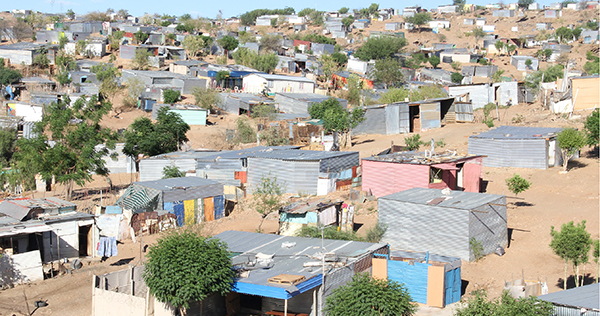
But some people in some informal settlements find themselves living in dreadful conditions.
This includes having limited or no access to basic services like water, sanitation, electricity, waste disposal, and proper infrastructure, like roads.
In addition there is no security of tenure.
The lack, of service delivery by municipalities in informal settlements is due to a host of different factors.
According to some studies some houses in informal settlements are built far from main sewer and water systems and this is why the municipalities cannot provide those services.
A slope analysis done on one informal settlement in Windhoek showed that a large number of dwellings were built on unsuitable land without adhering to the physical building regulations, which affects the provision of services.
Living in such conditions has a negative effect on the quality of these people’s lives.
It was in fact declared a national humanitarian crisis at the 2018 land conference, and it is projected that the rural-urban migration rate in Namibia will continue to grow.
It is against this background that I want to inform our honourable councillors to try and come up with solutions on how services can be provided to our brothers and sisters suffering in informal settlements.
And indeed, Vision 2030 projects a 100% access to acceptable sanitation and water supply to all Namibians.
Regional councils and local authorities will need to play a role in facilitating the success of these targeted developmental goals.
Anghome Festus
In an age of information overload, Sunrise is The Namibian’s morning briefing, delivered at 6h00 from Monday to Friday. It offers a curated rundown of the most important stories from the past 24 hours – occasionally with a light, witty touch. It’s an essential way to stay informed. Subscribe and join our newsletter community.

The Namibian uses AI tools to assist with improved quality, accuracy and efficiency, while maintaining editorial oversight and journalistic integrity.
Stay informed with The Namibian – your source for credible journalism. Get in-depth reporting and opinions for
only N$85 a month. Invest in journalism, invest in democracy –
Subscribe Now!