AS 2026 unfolds, many of us have returned from our holiday destinations, often from our villages – whether Ongenga, Katjinakatji, Tsumkwe or Sesfontein.
The village remains home no matter where life takes us.
It’s where family roots are planted, where responsibilities are shared, and where support is expected when life becomes difficult.
contributions to village life – whether for funerals, ceremonies, livestock, building projects, or caring for elders – are not viewed as optional. They are part of identity, culture and belonging.
At the same time, these obligations can place real pressure on long-term financial security, especially when retirement planning is not given the same level of attention.
The challenge many Namibians face is not choosing between village responsibilities and retirement planning but finding a way for both to exist together in a balanced and sustainable manner.
COMPLEX REALITIES
Village obligations are often unpredictable.
A call may come suddenly, and the need feels urgent. Refusing to contribute can feel like turning your back on family or tradition.
over time, these contributions add up and because they are emotional and immediate, they often take priority over retirement planning, which feels distant and abstract.
Many working Namibians assume they will “sort out retirement later”, believing that sup- port from family or the village will always be there.
Yet life changes. Younger generations move away, costs increase, and health needs grow.
Relying solely on future support can leave retirees financially vulnerable.
Take the example of Petrus Shilongo from Okahao, a village approximately 772 kilometres from Windhoek.
Petrus is a medical doctor and works at the central Hospital in Windhoek.
From the perspective of family back home, this sounds impressive and, understandably, may create an assumption that he earns “a lot of money”.
The reality, however, is more complex.
Windhoek is one of the most expensive cities in Namibia. Recent cost-of-living reports show that a single person’s monthly expenses, including rent, can easily exceed N$20 000, depending on location and lifestyle.
Rental prices alone for mod- est accommodation often range between N$8 000 and N$15 000 a month.
When utilities, food, transport, medical insurance and family responsibilities are added, disposable income becomes far more limited than many imagine.
Like many professionals, Petrus regularly contributes to village needs: funerals, food support, transport costs, and community projects.
These contributions are manageable while income is stable. However, when retirement approaches, the same expectations remain, while income becomes fixed.
Without proper planning, this creates pressure not because village life is wrong but because preparation was insufficient.
DISCIPLINE MATTERS
Retirement planning requires discipline, not because village obligations are wrong but because retirement savings need protection.
discipline means deciding in advance what one can afford to contribute, instead of reacting emotionally to every request.
This does not weaken tradition. In fact, it strengthens it.
A person who plans well is more likely to remain supportive over the long term, rather than becoming financially strained and dependent later in life.
It is also important to remember that pension savings are designed to replace income in old age, not to solve short-term financial pressures.
early withdrawals or frequent use of retirement funds for non-retirement purposes may provide temporary relief, but they significantly reduce long-term security.
once retirement capital is eroded, it is extremely difficult to rebuild later in life.
FINDING THE RIGHT BALANCE
Traditional responsibilities and retirement planning can coexist when approached with honesty and balance.
Some families openly discuss expectations and agree on reasonable contribution levels.
others rotate responsibilities among siblings to avoid placing the burden on one individual.
Small but consistent retirement contributions left untouched over time often provide greater security than larger, irregular contributions made late.
Honest conversations within families are equally important. explaining financial limits does not mean abandoning responsibility; it means set- ting expectations that protect
everyone involved.
When families understand that a working member is also planning for retirement, medical needs, and future security, contributions are more likely to be respected and shared fairly.
Silence often creates misunderstanding, while transparency creates sustainability. Importantly, retirement planning is not about withdrawing from village life. It is about ensuring continued participation with dignity and choice.
PRACTICAL GUIDANCE
Plan for village contributions and treat them as budgeted expenses, not emergencies.
Protect retirement savings and avoid using pension funds to meet routine traditional obligations.
Share responsibility by encouraging broader family participation.
Think long-term, preparing for retirement reduces future dependency on the village itself.
It means a shift in perspective: caring for your future is also a way of caring for your family and community.
When you reach retirement with financial stability, you remain an asset a source of wisdom, support and leadership rather than a burden.
village obligations and long- term security are not opposites. With planning, discipline, and honest communication, they can reinforce each other. Preparing for retirement is not a rejection of tradition; it is a way of ensuring that tradition continues, supported by
strength rather than sacrifice.
LOOKING AHEAD
As we move into 2026, it is time to do things differently.
Let us plan not only for the next funeral, but also for the tractor that will plough when the rainy season comes.
Let us contribute to ceremonies while also saving for seeds, school fees, healthcare, and retirement.
Balance is not betrayal, it is responsibility.
If we plan today, when the next season arrives, whether at Ariamsvlei or Bukalo, we will have both community and security standing side by side.
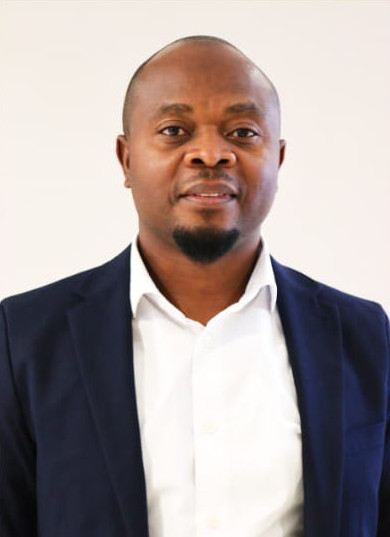
* Vincent Shimutwikeni; manager, legal services, RFS fund administrators. The views expressed here are entirely his personal opinions.
In an age of information overload, Sunrise is The Namibian’s morning briefing, delivered at 6h00 from Monday to Friday. It offers a curated rundown of the most important stories from the past 24 hours – occasionally with a light, witty touch. It’s an essential way to stay informed. Subscribe and join our newsletter community.

The Namibian uses AI tools to assist with improved quality, accuracy and efficiency, while maintaining editorial oversight and journalistic integrity.
Stay informed with The Namibian – your source for credible journalism. Get in-depth reporting and opinions for
only N$85 a month. Invest in journalism, invest in democracy –
Subscribe Now!