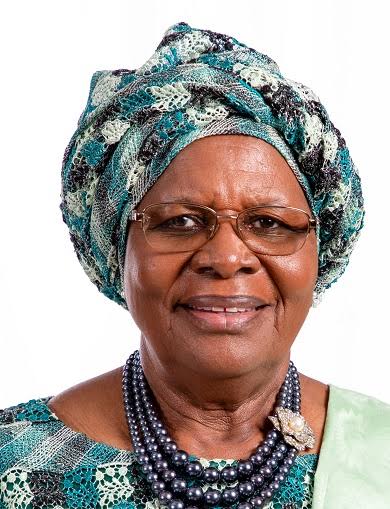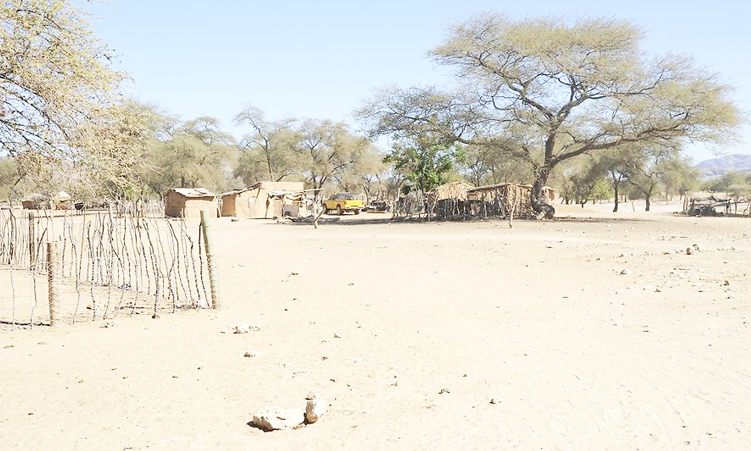









Who would have imagined that someone born in the dusty settlement of Fransfontein in the Kunene region in 1940 would one day become Namibia’s first black woman medical doctor, a member of the National Assembly and the Deputy Prime Minister (2005 to 2010).
This is the story of Dr Libertine Amadhila, who has recently reverted to using her maternal surname, Appolus.
At the age of 22, she went into exile via Botswana to Tanzania in the hope of liberating Namibians from the inhumane treatment of the apartheid regime.
Under the Swapo’s Nationhood Programme, Dr Appolus received a scholarship to study in Poland, and she graduated from the Warsaw Medical Academy in 1969.
She also studied nutrition and public health at the London School of Hygiene and Tropical Medicine, as well as epidemiology and French in Bamako, Mali. Unable to complete her studies in paediatrics in London, she voluntarily left for Lusaka, Zambia to work at the Swapo refugee camps, later tranfering to Angola to work as the director of the children’s centre at Kwaza Sul.
At Swapo’s 1969 consultative congress in Tanzania, Dr Appolus became the deputy secretary for health and welfare on the party’s central committee and director of the women’s council.
In 1987 she was awarded the Ongulumbashe Medal for bravery and long service.
As a member of Swapo’s constituent assembly from November 1989 to March 1990, Dr Appolus helped to draft the counstitution. A year later she won the United Nations Human Rights Commissioner for Refugees (UNHRC) Nansen Annual Refugee Award and in 1999, she served a one year term as the chairperson of the World Health Organisation (WHO) regional committee for Africa. In 2000 she was elected as the president of the 53rd session of the WHO assembly.
Road to ‘Free’ Namibia
When Namibia gained independence from white minority-ruled South Africa on 21 March 1990, Dr Appolus was sworn in as the first minister of regional, local government and housing. Six years later, she become the minister of health and social services. In 2005, Namibia’s founding president Dr Sam Nujoma appointed her as deputy prime minister, the first woman to occupy that position.
She initiated the San Development Programme to counter the dire circumstances San communities were living in. In 2006, the first resettlement farm under the San Development Programme was launched at farm Uitkomst (Otjozunjupa region) where over 500 San people were resettled. Two years later the Uitkomst Community Trust Fund was initiated which plays a major role in the economic development of the farm. In 2006, under Dr Appolus’ watch, scholarships were given to San learners as well as other marginalised communities, which still continue today.
She also built a clinic at Otjimuru with the assistance of the Pupkewitz Foundation, who covered the cost of the material and labour.
Under Dr Appolus’ watch as deputy prime minister, a brick making and housing project was kick-started with a mere N$500 000 from an anonymous donor. About 30 houses, a school and a clinic were built with bricks made by the communities themselves. The brick making project has brought enormous relief to San, Ovatue and Ovatjimba communities in terms of infrastructure development. A coffin manufacturing project was also initiated due to the inhuman manner in which some members of the community were buried.
Despite retiring from active politics 15 years ago, Dr Appolus is still making an impact on marginalised communities. Last month at Otjomuru village, she handed over a boy’s hostel she constructed at own cost, after selling her farm and a vehicle. She handed over the fully furnished 100-bed facility to the minister of education, arts and culture.
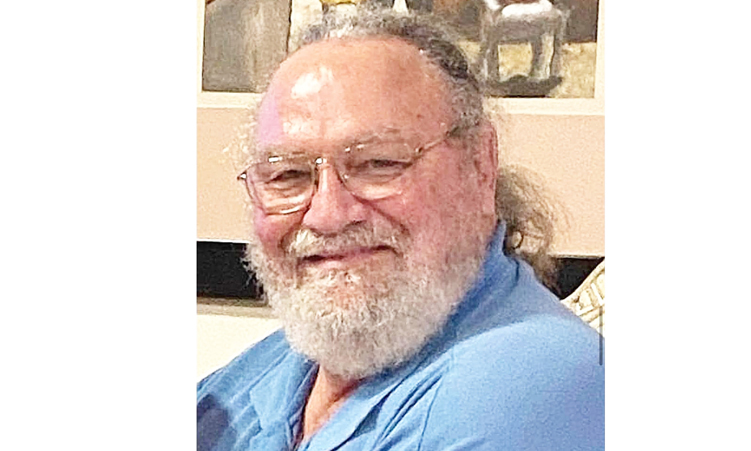
As a jounalist covering the event, she asked me during a private discussion: ‘What will I do with my farm? I am going to die soon.’ It struck me how such a remarkable woman was choosing to help others instead of living more luxuriously.
Additional information from Wikipedia and report given at the Otjomuru Combined School in Kunene region by the Office of the Prime Minister.