







Production at 1 953kg by June
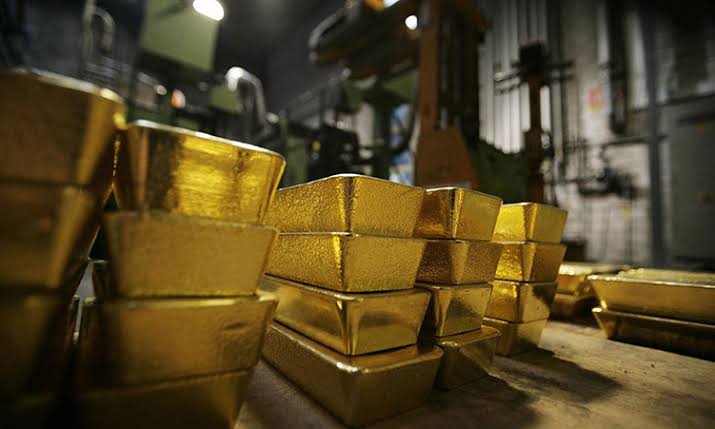
Elevated international gold prices boosted Namibia’s first-quarter 2026 gold export earnings to N$5.2 billion despite a sharp drop in domestic production volumes.
This is according to the Bank of Namibia’s June 2026 quarterly bulletin.
The central bank reports that gold production fell 27.2% quarter on quarter and 25.5% year on year to 1 953kg during the first quarter, largely due to resource depletion and water supply constraints affecting mining operations.
The Bank of Namibia (BoN) says the decline in output came as international gold prices surged to record levels, cushioning the impact on export earnings.
“Gold production decreased during the first quarter of 2026. In the quarter under review, gold production stood at 1 953kg, decreasing by 27.2% and 25.5% on a quarterly and yearly basis,” the BoN says.
The central bank attributes the decline in production to resource depletion and water supply constraints at mining operations.
Despite weaker production, international gold prices averaged US$4 876.1 per ounce during the quarter, up 70.3% year on year and 17.5% quarter on quarter.
“The rise in gold prices over the past year has been driven by uncertainty in global financial markets, as central banks around the world continued to increase their investments in gold to reduce their reliance on dollar-based assets amid geopolitical tensions,” the BoN says.
The higher prices translated into stronger export earnings, with gold export receipts increasing 17.8% year on year to N$5.2 billion, supporting growth in Namibia’s broader mineral export category.
According to the bulletin, earnings from other mineral exports rose 5.5% year on year, but declined 13% quarter on quarter to N$6.2 billion.
“The annual increase was driven primarily by higher gold export receipts, which rose by 17.8% to N$5.2 billion. Gold receipts increased on an annual basis, reflecting elevated international gold prices despite a decline in export volumes,” the BoN says.
The central bank says continued demand from central banks and investors seeking safe-haven assets supported gold prices amid persistent global economic uncertainty.
However, on a quarterly basis, gold export earnings declined as lower export volumes outweighed the benefit of higher international prices.
“Gold export receipts declined quarterly due to lower volumes exported, which more than offset the quarterly rise in the international gold price,” the report says.
The bank attributes the lower export volumes to operational developments at B2Gold Namibia’s Otjikoto Mine.
Quarterly mineral export earnings were further weighed down by weaker zinc exports.
“Lower quarter-on-quarter zinc export earnings, reflecting reduced export volumes due to lower-grade ore and planned operational downtime, also weighed on the quarterly performance,” the BoN says.