The German government has withdrawn an estimated N$200-million grant earmarked for Windhoek’s sustainable urban mobility project, dealing a major blow to the city’s plans to promote cleaner and more efficient public transport.
The funding was secured during government negotiations between Namibia and Germany in October 2021 and was to be channelled through German development bank KfW under the German Climate and Technology Initiative.
This is contained in the highlights of the Windhoek’s ordinary council meeting which took place on Thursday evening.
The statement says the project initially focused on developing a non-motorised transport network, including bicycle lanes, aimed at encouraging residents to walk and cycle while reducing reliance on motor vehicles and cutting greenhouse gas emissions.
“However, a feasibility study conducted by the city between November 2024 and April 2025 found that the anticipated increase in cycling and other non-motorised transport would be significantly lower than initially projected,” reads the statement.
The study also found that the expected reduction in carbon dioxide emissions would not meet the threshold required under the German climate-financing mechanism.
Germany subsequently asked the city to submit an alternative project capable of meeting the climate impact requirements before the grant expired.
In response, the city submitted an electric bus project proposal in October 2025.
The proposal was reviewed by KfW, with further discussions involving KfW, the city and the Development Bank of Namibia.
Despite the efforts to salvage the funding, the German government ultimately decided to withdraw the grant.
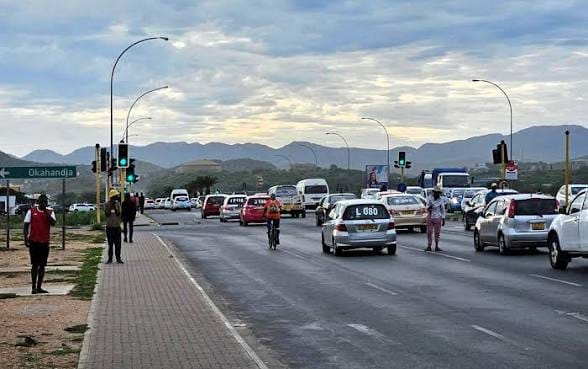
The development comes as Windhoek continues to face challenges in improving public transport and developing sustainable alternatives to private vehicles.