Former The Namibian editor Lister demands urgent protection for journalists
VETERAN journalist Gwen Lister has called for the urgent implementation of Namibia’s Access to Information Act, warning that delays are exposing journalists to growing legal and digital harassment.
This is amid increasing global threats against the media.
The law, signed by former president Hage Geingob in 2022, has yet to come into effect.
Speaking during a World Press Freedom Day event in Windhoek on Friday, Lister described the delay as deeply concerning.
“The delays in implementing the Access to Information Act remain problematic, and it is important that the government operationalises this act as a matter of urgency.
Access to information is often described as the mother of all rights necessary for empowering citizens and strengthening the work of the media,” she said.
Reflecting on the adoption of the Windhoek Declaration in 1991, Lister warned that journalism is facing a new wave of global threats affecting freedom of expression and freedom in the information space.
She urged journalists to continue striving for excellence and defending press freedom, saying the legacy of the Windhoek Declaration must be preserved.
“The question now facing us in 2026 is whether Namibia will lead again in defending press freedom in these challenging times,” she said.
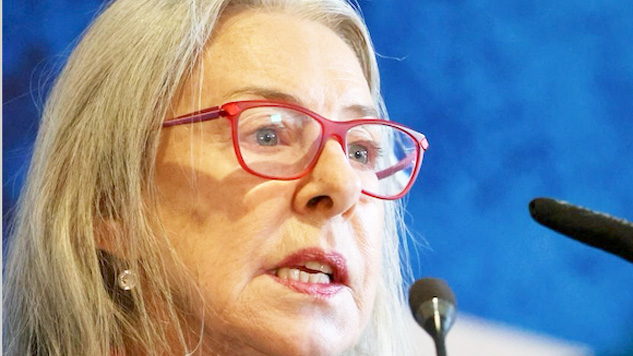
European Union ambassador to Namibia Ana-Beatriz Martins at the event said democracy cannot survive without a free and independent press.
“Independent and pluralistic media are not a luxury; they are a cornerstone of democratic societies and a fundamental human right we must continue to uphold together,” she said.
Martins said implementing the Access to Information Act and appointing an information commissioner would significantly strengthen transparency and Namibia’s press freedom credentials.
She said journalists worldwide continue to face increasing threats, including violence, harassment, intimidation and arbitrary detention. Women journalists, she added, are particularly vulnerable to gender-based attacks.
According to Martins, 2025 has become one of the deadliest years for journalists globally, with more than 70 journalists killed – many in conflict zones such as Gaza, Sudan and Ukraine.
“This is unacceptable. Journalists must be able to carry out their work freely, without fear of violence, persecution or retaliation,” she said.
United Nations Educational, Scientific and Cultural Organisation representative to Namibia Eunice Smith said societies that allow journalism to thrive are better equipped to prevent conflict, strengthen accountability and build trust.
She said online harassment, particularly targeting women journalists, and economic pressures facing independent media remain major challenges.
Meanwhile, Editors’ Forum of Namibia chairperson Toivo Ndjebela said efforts are underway to ensure all journalists and media houses are accountable to the media ombudsman – regardless of whether they belong to the forum.
Minister of education, innovation, youth, sport, arts and culture Sanet Steenkamp urged government public relations offices to respond more promptly to media queries