






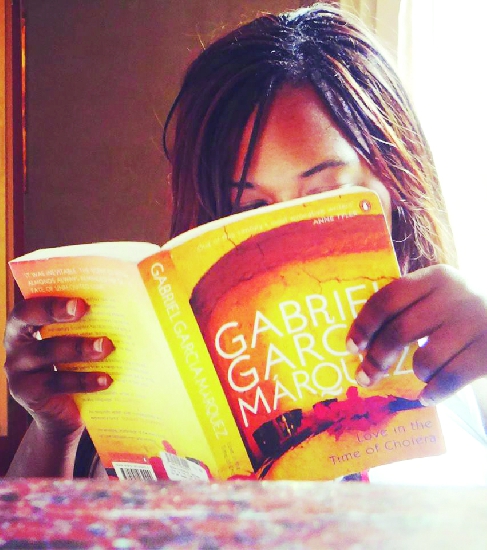
I read it in airports and hammocks and hotel rooms in Thailand in-between scooter rides, tours and trips to kebab stalls on walking streets.
I was in that strange place travellers find themselves when they are about to go home but feel fairly sure their own mother won’t recognise them at the door. Because they are coated with the dust of depots, their shoes are scuffed by roads she will never know and the little line newly etched under their eyes is one they woke up with a plane ride, a lover and a world away.
At the time, I felt like I had been reborn.
Like I had been living in a womb made of professional and personal security that had just ruptured to reveal a whole new world outside the egg that was scary and spectacular … and terrifying.
So I did what I sometimes do when I’m feeling odd and alone.
I leaned over to my bedside table, grabbed the ever-present book on the table under the lamp and read ‘Love in the Time of Cholera’ (1985) with my sister’s farewell tears still twinkling in my hair from before a bus trip to Bangkok before a plane ride to Johannesburg before a road trip to Nam.
“He allowed himself to be swayed by his conviction that human beings are not born once and for all on the day their mothers give birth to them, but that life obliges them over and over again to give birth to themselves.” – ‘Love in the Time of Cholera’ by Gabriel Garcia Márquez.
And that was all it was.
The pain in my heart and the lump in my throat were simply pregnancy pains as I sat in the throes of giving birth to a brighter, better and freer me.
A me not petrified by people and ready to be seen, read and regarded. It hurt but it was healthy and it was life. So much so that it was written brilliantly in a book …
That allowed me to break.
When I got home to Namibia, I took this picture of myself reading it for no reason that I can remember. Perhaps as an attempt at an anonymous column photo that my editor rejected because the damage had been done and it was high time I embraced it.
A few weeks later a friend borrowed it, never gave it back and I know I will never see it again or put it to my lips and kiss it thank you the way I do when I have closed the back cover on something that has ruined or revived me.
I don’t have the book any more but on the morning I heard Gabriel was gone, I remembered that I had this picture.
Of a book that pulled me through a rebirth and presented a line that gave my feeble, frantic falling apart a grudging and guiltless grace.
The line felt true but it was also just a spectacular sentence in a stirring story written during an existence that will be eternally edifying.
From before ‘One Hundred Years of Solitude’ (1967) to far beyond ‘Memories of my Melancholy Whores’ (2004), Gabriel García Márquez was one of the best things there ever was. He mastered the art of weaving magic into the fabric of odd and absorbing lives and could make you laugh as easily as he could make you cry thinking: Oh, God. How beautiful it is be alive. In pain. In ecstasy.
In every sacred and searing moment.