



The Fisheries Observer Agency (FOA), a statutory body mandated to prevent illegal fishing and collect scientific data, has been operating without a board since August 2025.
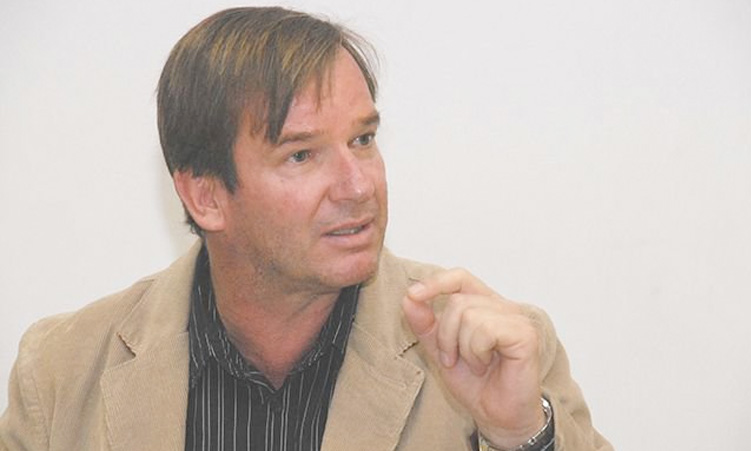
Labour analyst Herbert Jauch says this weakens oversight.
“When you operate without a board for several months, it means management is basically left unsupervised. That is a severe limitation in terms of accountability and the organisation’s effectiveness,” he says.
Jauch warns that governance gaps could affect public confidence and compliance in the fishing sector.
“An observer agency is there to ensure the fisheries resource is protected and that wrongdoing is kept to a minimum. Without a board, this function is undermined,” he says.
FOA chief executive officer (CEO) Stanley Ndara says the Ministry of Agriculture, Fisheries, Water and Land Reform had been notified months before the board’s term expired.
“The initial notice about the expiration of the board’s term on 31 August 2025 was issued in April 2025. Although further submissions were made to the ministry, the FOA continues to operate without a board,” he says.
Ndara says the agency is continuing its day-to-day operations, but the absence of a board has limited its ability to take key decisions.
He says management cannot approve budgets, annual plans or strategic plans without board authority.
“The CEO is overseeing budget spending with his executive committee, but because there is no board in place for governance, the other items are prepared but not submitted or approved. If management were to proceed, their actions could be beyond their legal authority,” he says.
Ndara says the review of landed values, which is linked to the sustainability of the agency, has also been affected.
“The FOA is limping and there appears not to be any support from the shareholder,” he says.
The agency was established in 2002 to manage Namibia’s national fisheries observer programme.
It deploys trained observers on commercial fishing vessels to monitor compliance with marine laws and collect scientific data used for stock assessments, quota setting and fisheries management.
The Namibia Public Workers Union has also raised concerns about the impact on staff.
Secretary general Petrus Nevonga says the absence of a board affects both the institution and employees.
“It impacts the institution, including the well-being of staff members. The appointing ministry needs to ensure there is a board,” he says.
Governance analyst Ndumba Kamwanyah says operating without a board presents risks to accountability and oversight.
He says boards play a central role in ensuring checks and balances within public institutions.
“The absence of a board increases the risk of weak accountability, poor strategic direction, and decisions being concentrated in a few hands without proper checks and balances,” Kamwanyah says.
He says the situation could expose the agency to legal and reputational risks.
“Boards usually approve budgets, review financial reports, and ensure compliance. Without this layer, processes may be delayed, less transparent, or lack independent scrutiny,” he says.
The ministry had not responded to a request for comment by the time of publication.
In an age of information overload, Sunrise is The Namibian’s morning briefing, delivered at 6h00 from Monday to Friday. It offers a curated rundown of the most important stories from the past 24 hours – occasionally with a light, witty touch. It’s an essential way to stay informed. Subscribe and join our newsletter community.

The Namibian uses AI tools to assist with improved quality, accuracy and efficiency, while maintaining editorial oversight and journalistic integrity.
Stay informed with The Namibian – your source for credible journalism. Get in-depth reporting and opinions for
only N$85 a month. Invest in journalism, invest in democracy –
Subscribe Now!