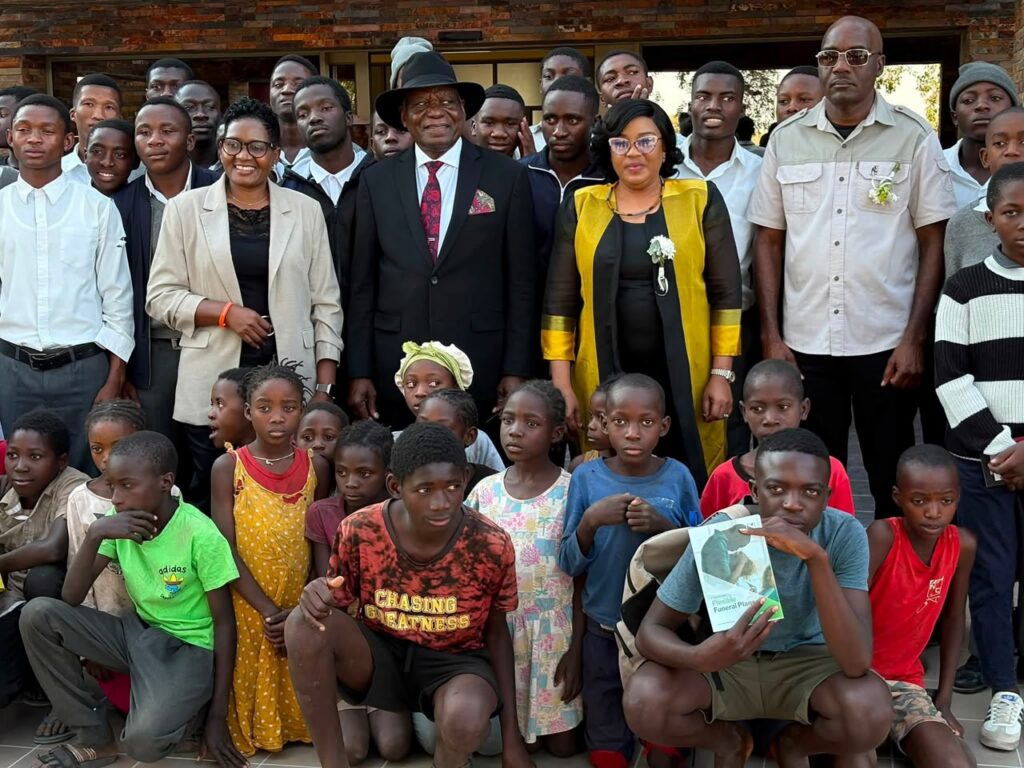
First gentleman Denga Ndaitwah has urged boys in the Kavango West region not to abandon their education, warning that poor results, peer pressure, embarrassment and financial hardship should not determine their future.
Speaking at a boy-child engagement at Nkurenkuru on Friday, he said boys make up the majority of school dropouts in the region.
This comes after education director Pontianus Musore announced that 650 pupils dropped out of school during the first semester this year, with boys making up the majority of dropouts.
Musore cited economic hardships, child-headed households, poor parental involvement, limited supervision and limited hostel facilities as factors keeping children away from education.
“Whether it is a boy or girl who leaves the classroom, Namibia loses a citizen it has invested in. Kavango West loses a future doctor, teacher, farmer or leader. This is a crisis and it demands the attention of every parent, teacher and leader,” Ndaitwah said.
He said education for both boys and girls is the most important weapon for national development.
“Your current conditions do not define your destiny. Education remains the most powerful equaliser in society,” he said.
He called on parents, teachers, traditional leaders and community organisations to strengthen advocacy around education and ensure that children remain in school.
“The responsibility of raising boys cannot be left to schools alone. Our boys need your presence more than ever. They need guidance, encouragement, and correction. Let us become intentional in mentoring our boys before the streets, drugs, crime and negative influences mentor them instead,” he urged.
He added that the country needs skilled artisans, electricians, mechanics, farmers, plumbers, agro-entrepreneurs and innovators, saying every honest profession deserves respect and every skill contributes to national development.
Ndaitwah encouraged young people to make use of opportunities created through the National Youth Development Fund, which provides loans without collateral to citizens aged between 18 and 45.
He urged boys experiencing emotional struggles to seek help from parents, teachers, churches and community structures, noting that Namibia recorded 542 suicide deaths and 2 937 attempted suicides, with men accounting for a significant proportion of the number.
“Asking for help is not weakness. It is courage,” he said.
He said the government should continue investing in programmes that empower boys while ensuring efforts to support the boy child complement, rather than competing with programmes supporting girls.