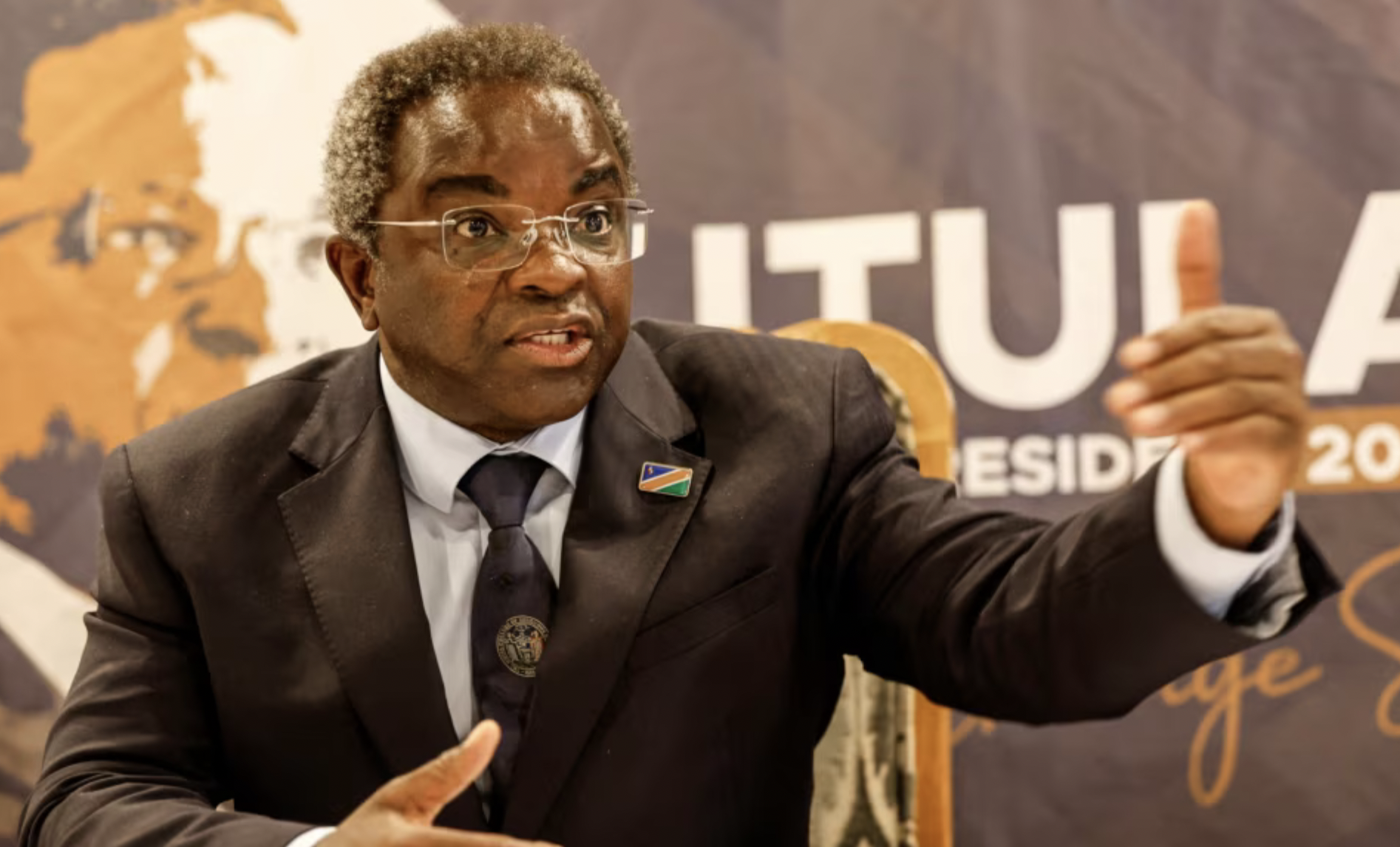






The ombudsman, advocate Basilius Dyakugha, warns that many Namibians are still motivated by fear despite the country’s democratic gains since independence.
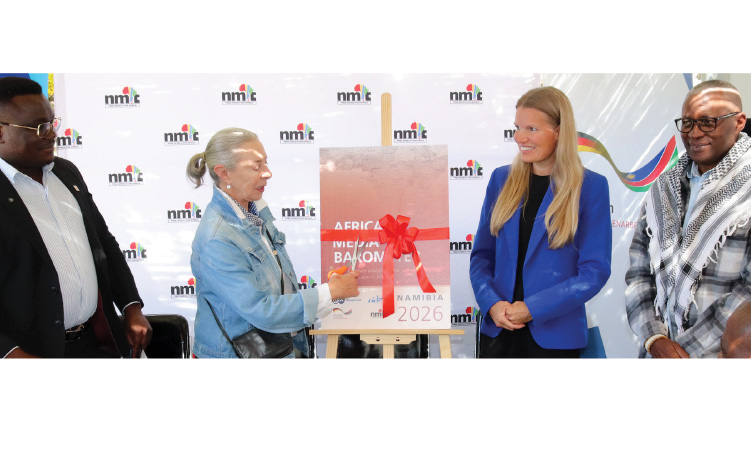
Speaking during the launch of the African Media Barometer in Windhoek yesterday, Dyakugha said freedom from fear should become a central focus in strengthening democracy and human rights in Namibia.
“If you take fear away from anybody, that person’s life will really be celebrated in all aspects, but once you operate from a place of fear, you cannot enjoy life or economic activities,” he said.
The African Media Barometer report revealed a decline in Namibia’s media environment score from 3.1 in 2022 to 2.8 reported this year.
It outlines that while legal frameworks remain constitutionally secure, critical gaps persist, including the non-commencement of the Access to Information Act.
Dyakugha said people should be able to participate freely in economic activities, labour matters and other aspects of public life without intimidation or apprehension.
“Namibians must not operate from fear,” he said.
He called for greater efforts to protect citizens’ freedoms and rights.
At the same event, media ombudsman Sadrag Shihomeka said journalists are entitled to the same labour rights as other workers.
“Journalists are employees before they are journalists,” he said, adding that media practitioners should not be denied fair working conditions because of their profession.
Shihomeka also urged journalists to remain committed to truthful reporting and not be intimidated for doing their jobs.
“Media professionals should tell the truth and should never be ashamed of it,” he said.
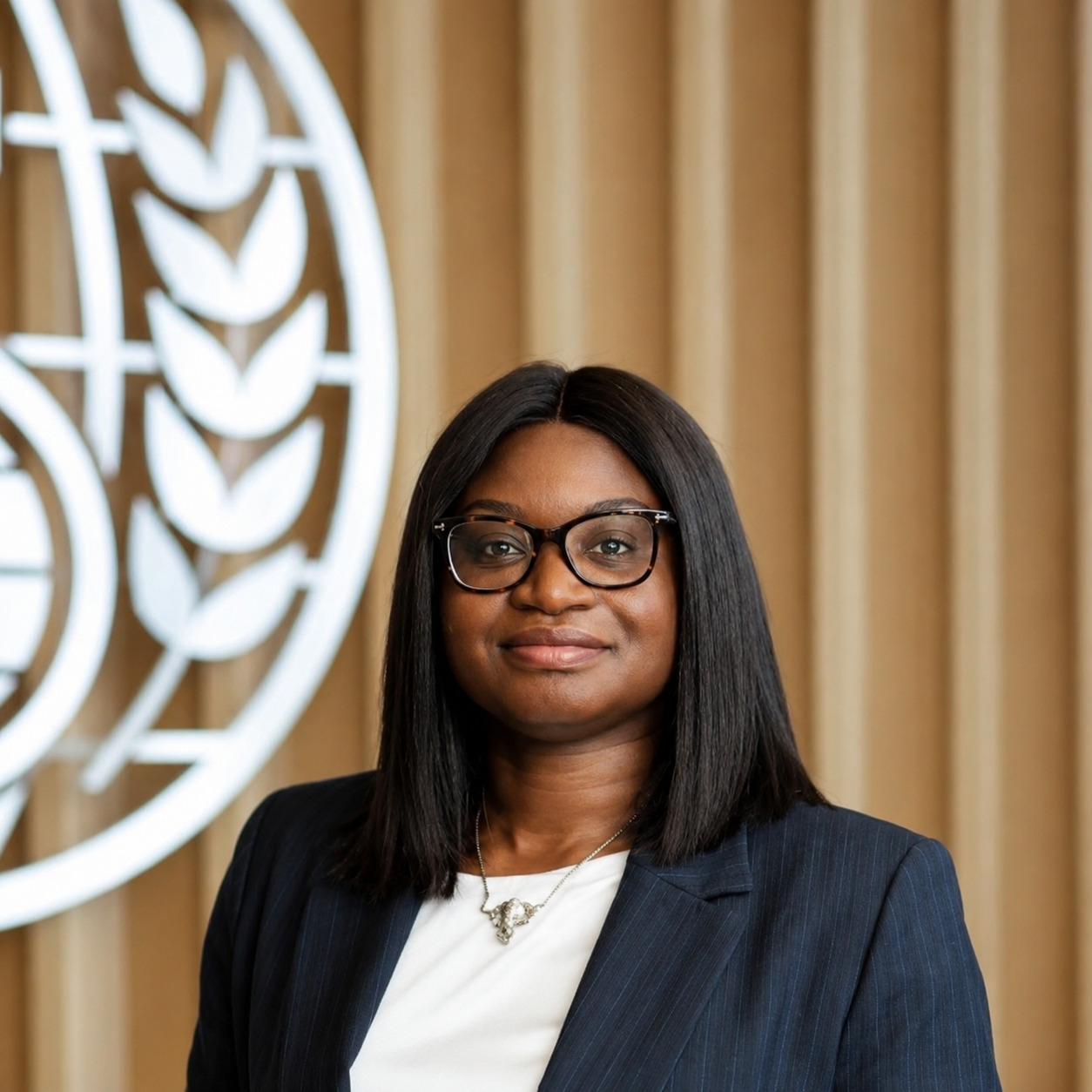
Information and communication technology specialist Vivette Rittmann urged the public to take the barometer as an advocacy and implementation guide, noting there is wealth that can be taken forward to better the state of journalism in the country.
The report also says economic insecurity has become one of the most powerful editors in Namibian newsrooms.
Namibia Media Trust executive director Zoe Titus said the findings of the African Media Barometer do not signal a collapse in media freedom.
“They signal something more structural: a country that has built a sound legal architecture, but of which the institutions have not kept pace with its laws,” she said.
One of its findings is the widening gap between rights guaranteed by law and those experienced in practice.
The gap is felt most acutely in the lives of working journalists in the pressures that push them toward self-censorship – not because a government official called, but because the rent is overdue and the advertising market has shrunk, the report says.
During the launch, media professionals raised concerns about precarious working conditions in newsrooms, saying some journalists are employed on freelance contracts that prohibit them from working for other media houses.
Others alleged that they are sometimes pressured to push agendas without working contracts.
Media expert Edward Muumbu said journalists have over the years been at the forefront of protests by workers demanding better working conditions, adding that their remuneration is often “ignored”.
“Journalists are always there to make sure people’s rights are respected, but when you fight for others for too long, you sometimes forget about yourself,” he said.
Addressing the issue of freelancers, Muumbu said a freelance contract is an agreement between two people, and differs from one institution to another.
He said some institutions want exclusivity to prevent confusion.