







IN November 2014, I wrote an opinion piece in this newspaper calling for the creation of an open online payment system to be used by Namibians to purchase and receive money for online transactions.
Since then I invested and helped set up a web platform for storytelling, www.moshiwambo.com where users pay N$3 for a weekly subscription.
In exchange for N$3 a week, subscribers get access to stories by a popular Oshiwambo author Frans Samuel who had garnered a substantial number of followers because of the stories he has been posting on Facebook. Before moshiwambo.com was set up, a number of fans voluntarily sent airtime to Frans so that he never gave up writing. It is out of such initiatives that an idea was born to have a web platform where readers can easily contribute in order to sustain a culture of storytelling.
As moshiwambo.com was being set up, a lot of time was spent deciding what method of payment to use. The first that came to mind was a credit card based payment system that is taking over in the developed world. The popularity of credit card-based systems in that part of the world is however due to the fact that credit cards have been well accepted as a traditional payment method by the general populace long before the internet went mainstream. A low uptake of credit cards in Africa means the online payment system here has to be built on something else – mobile phones.
Of all technologies that invaded planet earth, it is mobile telephony where Africa is not left behind by the rest of the world. The arrival of cellphones narrowed the digital divide. The majority of Africans and Namibians in particular either own or have access to a mobile phone. It is also through smartphones that Namibians are being introduced to the internet for the first time. Thanks to cellular networks covering almost the entire country, cellphones are no longer a luxury but a necessity. Given such a high penetration, mobile phones are a fertile platform for innovative business and social ideas to be built on.
With that in mind we felt that online payment through SMS could be a solution for monetary transactions on moshiwambo.com. The system was set up in the following way: users SMS the word ‘Frans’ to a short code 435; they receive a password to enter on www.moshiwambo.com, with their mobile numbers as a username. The beta version was launched on 20 March, on the eve of the inauguration of President Hage Geingob. The user response has been positive and it has demonstrated a fact that technology, art and investments can come together to advance a society.
Payment by SMS is not new. In Namibia it is mostly used as a way for users to enter competitions. It has also been used as a service for pupils to receive their Grade 10 and Grade 12 results. However, it’s uptake in general has not seen much growth. This is because the revenue is shared almost equally between the mobile operators, SMS aggregators and the merchants. The general feeling among the players in this industry is that the mobile operators’ chunk from the short code revenue is too much, thus making merchants’ operations unprofitable. If a taxi owner, for example, charges his users N$10 via SMS, he would only receive about N$3 from that. The merchants’ concerns need to be addressed by the mobile operators, or perhaps the authorities in the mobile and payment industry, the Communications Regulatory Authority of Namibia (CRAN) and the Bank of Namibia respectively should get involved. That way, the SMS would realise its potential as a payment king.
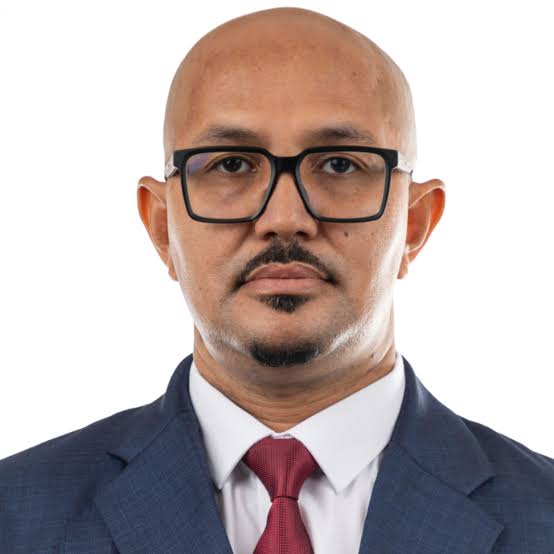
* Tuli Sheya is an engineer, programmer, early stage investor and strategy adviser. He is employed in the telecommunications industry and writes in his private capacity. He can be reached at atsheya@gmail.com