Namibia will continue exporting beef and charcoal to the European Union (EU) after the introduction of deforestation regulations in January.
The EU delegation to Namibia said this in a statement which sets out the goal of the regulations on deforestation-free products as reducing the EU’s contribution to global deforestation and forest degradation.
This will be accomplished by implementing the Green Deal roadmap and reaching the EU27 target of reducing carbon emissions by at least 55% of 1990s levels by 2030.
This means the EU will ban the export of goods produced in deforested areas, the statement says.
The EU says the European Union Deforestation Regulation (EUDR) will affect the export of charcoal and beef from Namibia.
“However, in Namibia, we note that these products are not produced in forested areas, as defined by the Food and Agriculture Organisation’s definition of ‘forest’.
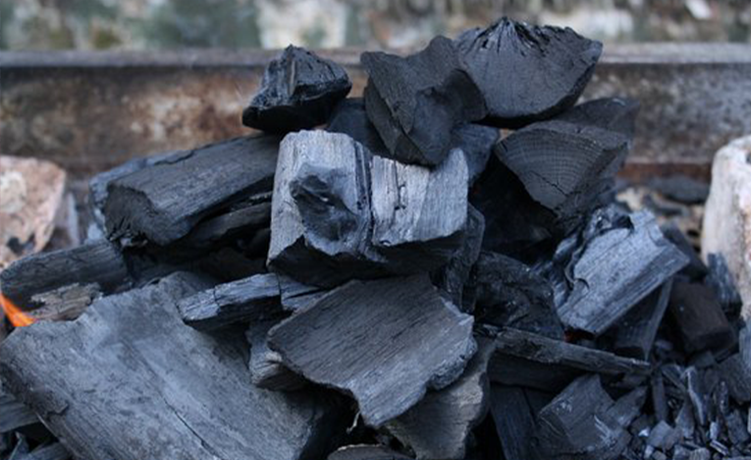
“Namibia’s charcoal exported to the EU is made of bush thickening from the savannah.
Moreover, invader or encroachment bush has a negative impact on biodiversity,” the EU says, adding that bush clearing improves rangelands and restores savannah ecosystems.
“Moreover, Namibian exporters of charcoal to the EU are already Forest Stewardship Council-certified, which has already incorporated EUDR requirements in their certification criteria,” the statement says.
This points to the EUDR requirements for charcoal exports being already largely covered in Namibia.
The remaining aspects for Namibian exports include due diligence obligations to ensure there is adherence to relevant Namibian laws on land, the environment, human rights, labour etc.
The Namibia Agricultural Union (NAU) last week said farmers are making efforts to align the beef value chain to meet the European Union’s Deforestation Regulation before 1 January.
The NAU says Namibian beef products will not be allowed into the EU if they come from an area deforested after December 2020 and and if they are not produced in accordance with the laws of the country of origin.
This was also said by the minister of agriculture, water and land reform, Calle Schlettwein, when he officially opened the Aminuis Agricultural and Industrial Show in the Omaheke region, where he said the regulation affects Namibian commodities such as beef, fuel wood and charcoal.
“The EU is a major consumer of certain agricultural and derivative products that originate from some countries that produce these products at the expense of the environment,” the NAU says.
The EU delegation says Namibia is one of the top 10 exporters of beef to the EU, representing 54% of all beef exports from Namibia.
“However, Namibian beef exports to the EU originate from below the veterinary cordon fence, where no forest grows.
Moreover, this sector is a well-organised industry that meets quality sanitary and phytosanitary standards of the EU.
“Namibia also implemented the Namibian Livestock Identification and Traceability System ensuring adherence to exporting safe meat to the EU and other countries.
This is complemented by the Farm Assured Namibian Meat Scheme, which aims to assure the quality and safety of meat to the consumer,” the delegation says.
“As these Namibian markets are well regulated, and the European partnership agreement creates increased opportunity for Namibian exporters, we anticipate a growth in these export sectors in the coming years,” the EU says, adding that the regulation does not block Namibian exports.
“On the contrary, it intends to foster trade between Namibia and the EU in deforestation-free and legal products.
As long as the land where the product is produced is identified as being deforestation-free and legal, trade between our countries can continue normally,” the statement says.
– email: matthew@namibian.com.na
Namibia will continue exporting beef and charcoal to the European Union (EU) after the introduction of deforestation regulations in January.
The EU delegation to Namibia said this in a statement which sets out the goal of the regulations on deforestation-free products as reducing the EU’s contribution to global deforestation and forest degradation.
This will be accomplished by implementing the Green Deal roadmap and reaching the EU27 target of reducing carbon emissions by at least 55% of 1990s levels by 2030.
This means the EU will ban the export of goods produced in deforested areas, the statement says.
The EU says the European Union Deforestation Regulation (EUDR) will affect the export of charcoal and beef from Namibia.
“However, in Namibia, we note that these products are not produced in forested areas, as defined by the Food and Agriculture Organisation’s definition of ‘forest’.
“Namibia’s charcoal exported to the EU is made of bush thickening from the savannah.
Moreover, invader or encroachment bush has a negative impact on biodiversity,” the EU says, adding that bush clearing improves rangelands and restores savannah ecosystems.
“Moreover, Namibian exporters of charcoal to the EU are already Forest Stewardship Council-certified, which has already incorporated EUDR requirements in their certification criteria,” the statement says.
This points to the EUDR requirements for charcoal exports being already largely covered in Namibia.
The remaining aspects for Namibian exports include due diligence obligations to ensure there is adherence to relevant Namibian laws on land, the environment, human rights, labour etc.
The Namibia Agricultural Union (NAU) last week said farmers are making efforts to align the beef value chain to meet the European Union’s Deforestation Regulation before 1 January.
The NAU says Namibian beef products will not be allowed into the EU if they come from an area deforested after December 2020 and and if they are not produced in accordance with the laws of the country of origin.
This was also said by the minister of agriculture, water and land reform, Calle Schlettwein, when he officially opened the Aminuis Agricultural and Industrial Show in the Omaheke region, where he said the regulation affects Namibian commodities such as beef, fuel wood and charcoal.
“The EU is a major consumer of certain agricultural and derivative products that originate from some countries that produce these products at the expense of the environment,” the NAU says.
The EU delegation says Namibia is one of the top 10 exporters of beef to the EU, representing 54% of all beef exports from Namibia.
“However, Namibian beef exports to the EU originate from below the veterinary cordon fence, where no forest grows.
Moreover, this sector is a well-organised industry that meets quality sanitary and phytosanitary standards of the EU.
“Namibia also implemented the Namibian Livestock Identification and Traceability System ensuring adherence to exporting safe meat to the EU and other countries.
This is complemented by the Farm Assured Namibian Meat Scheme, which aims to assure the quality and safety of meat to the consumer,” the delegation says.
“As these Namibian markets are well regulated, and the European partnership agreement creates increased opportunity for Namibian exporters, we anticipate a growth in these export sectors in the coming years,” the EU says, adding that the regulation does not block Namibian exports.
“On the contrary, it intends to foster trade between Namibia and the EU in deforestation-free and legal products.
As long as the land where the product is produced is identified as being deforestation-free and legal, trade between our countries can continue normally,” the statement says.
– email: matthew@namibian.com.na
In an age of information overload, Sunrise is The Namibian’s morning briefing, delivered at 6h00 from Monday to Friday. It offers a curated rundown of the most important stories from the past 24 hours – occasionally with a light, witty touch. It’s an essential way to stay informed. Subscribe and join our newsletter community.

The Namibian uses AI tools to assist with improved quality, accuracy and efficiency, while maintaining editorial oversight and journalistic integrity.
Stay informed with The Namibian – your source for credible journalism. Get in-depth reporting and opinions for
only N$85 a month. Invest in journalism, invest in democracy –
Subscribe Now!