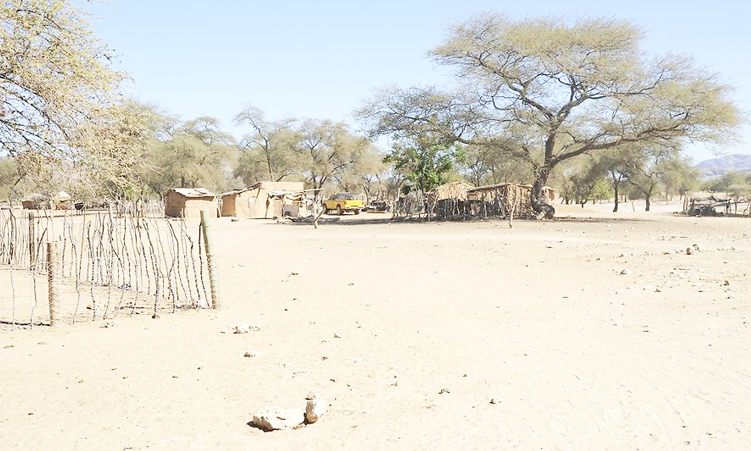







At Etunda irrigation farm in the Omusati region, the potato’s adaptability mirrors that of its farmers.
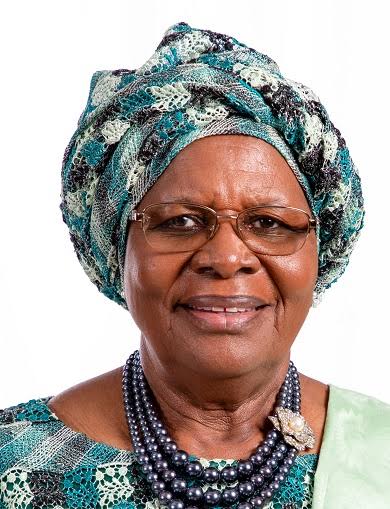
Maria Ashipala, a vegetable farmer, has mastered potato farming, helping her community to thrive.
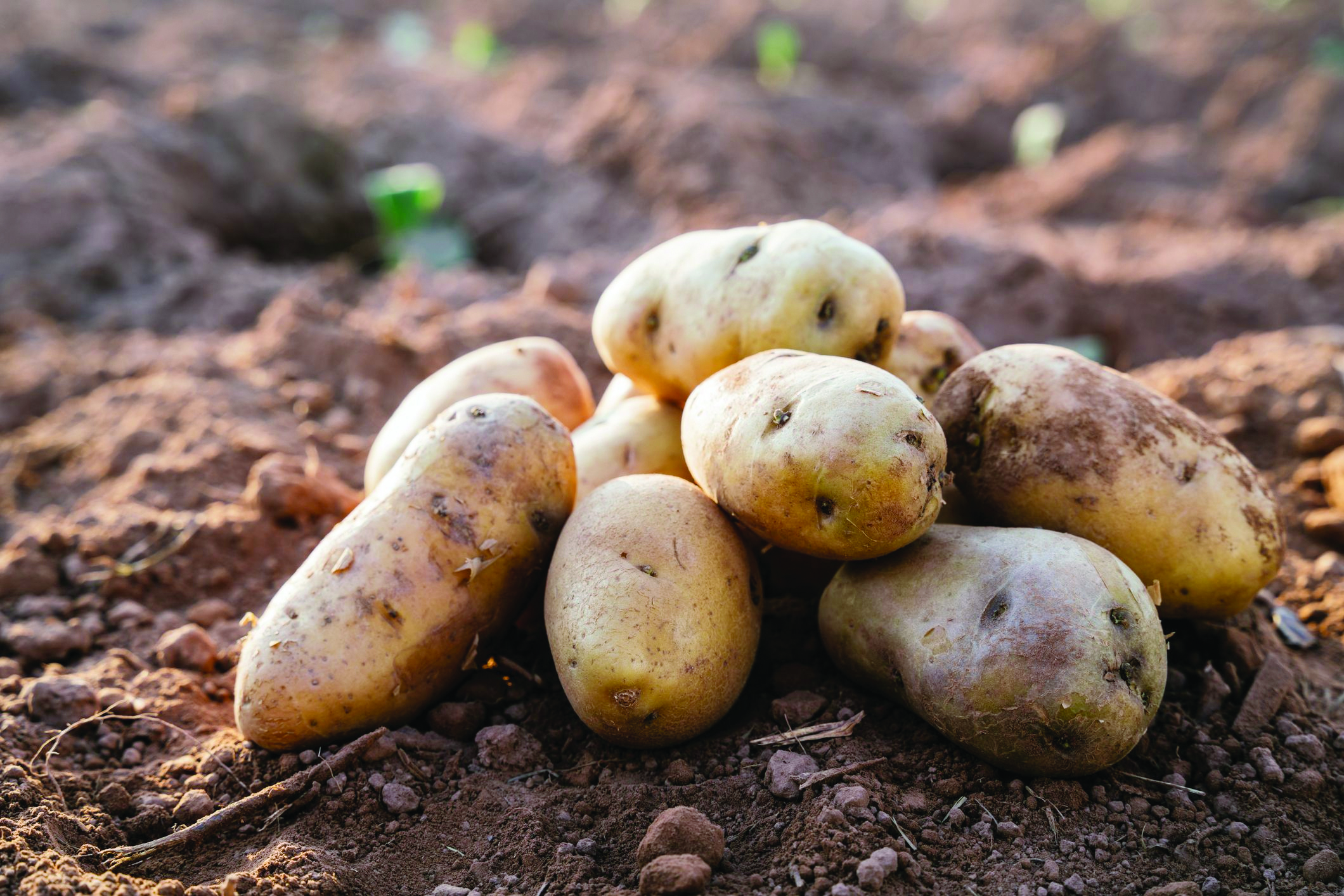
She planted her first potato earlier this year, just to test the waters. Little did she know potato farming would yield good results.
Today, Ashipala is a well-known potato producer at Etunda who supplies potatoes to wedding caterers, shops and individuals.
She says despite the challenges, such as water scarcity and harsh weather, she remains resilient.
“I’ve been a vegetable farmer since the early 1990s. Farming has been my bread and butter.
I haven’t had any formal job in my life. Life has not been easy.
“I’ve encountered numerous challenges and I chose to remain strong at all times.
There are times when I feel like giving up, but I always dust myself off and work hard.
Potato farming is a lucrative business because potatoes are needed every day, but it requires a lot of attention and focus. The weather is another challenge because it gets really hot some days,” she says.
Ashipala says she owns about three hectares of farmland at the Etunda irrigation farm where she harvests cabbages, tomatoes and potatoes.
Earlier this week, she donated 50 cabbages to Wisdom Private School and 100 cabbages to the Oshifo Police Station’s holding cells in the Omusati region.
She highlights the importance of giving back to the community, citing that she is who she is today because of the support she receives from her community.
“This is my first time giving or rather donating vegetables to the community, because I received a good harvest this year and I’m thankful for the continuous support from my community.
“This is just to say thank you to everyone who has supported me throughout,” she says.
Ashipala says farming comes with its own challenges, adding that she currently has no market to sell her produce as retail stores often import their vegetables from neighbouring countries.
“We are satisfied with the product, but the only big challenge is the market to sell our products.
The retail stores only come to our aid when they are running out of supplies, otherwise they import their own vegetables.
“We often sell on the side of the road or to wedding caterers. We are suffering and we need to be assisted because our produce often goes to waste,” she says.
Ashipala urges women to get their hands dirty by venturing into farming to sustain their families and to produce their own foods while earning an income on the side.