





The Namibia Employers’ Federation (NEF) says it supports reasonable measures that allow mothers to continue breastfeeding after returning to work, but has cautioned against adopting a one-size-fits-all approach for all employers.
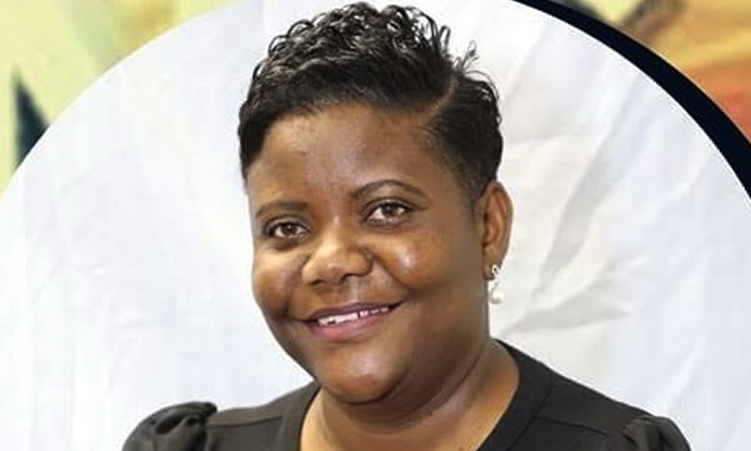
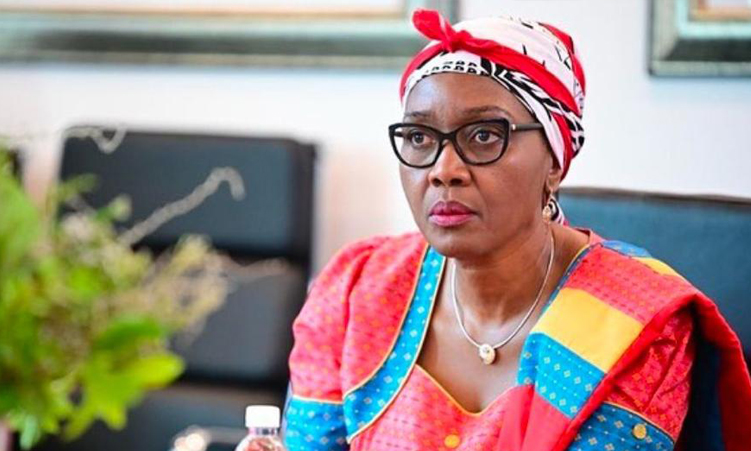
The federation was responding to deputy health minister Suzan Ndjaleka’s renewed call for employers to establish breastfeeding-friendly workplaces, including dedicated breastfeeding corners and flexible working arrangements.
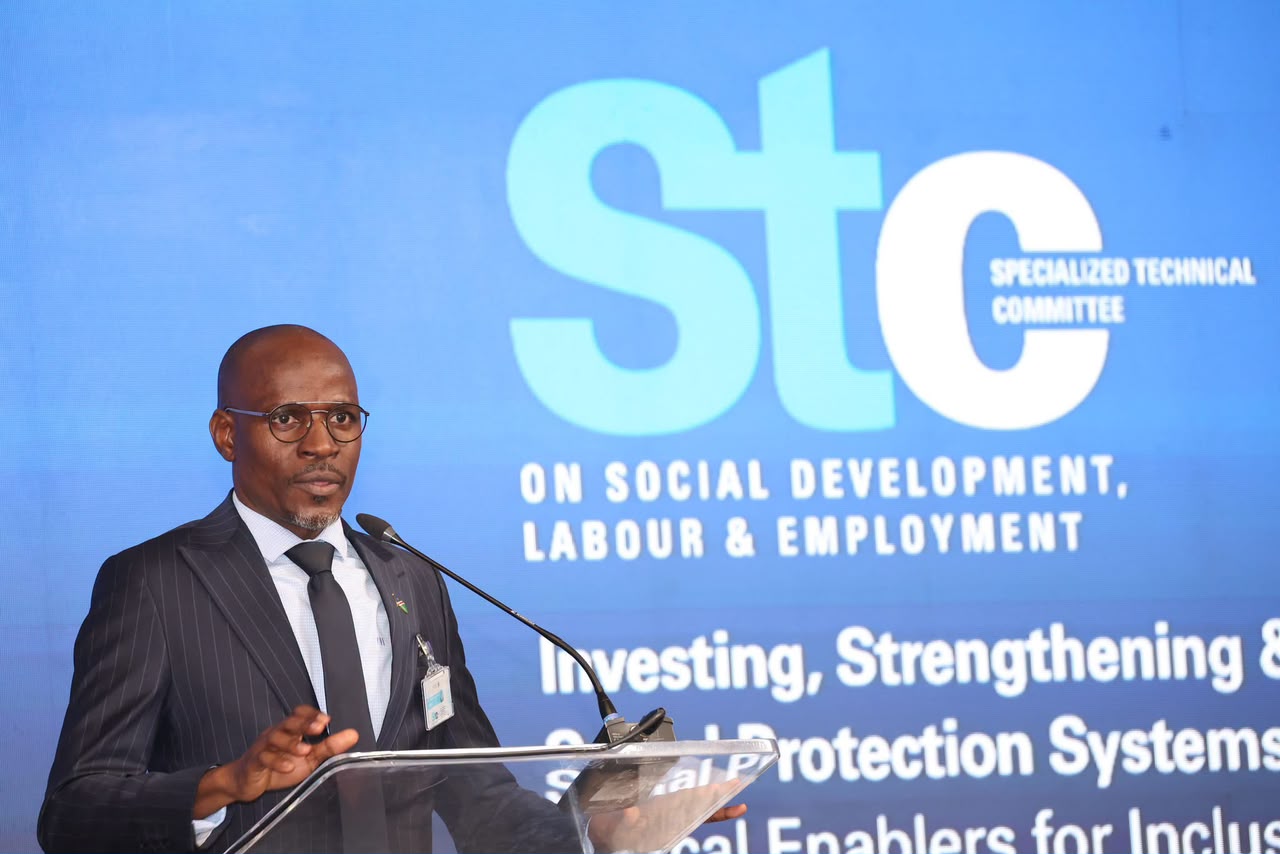
“The Namibia Employers’ Federation supports reasonable measures that enable mothers to continue breastfeeding after returning to work. Breastfeeding has clear health and social benefits, and employers should be encouraged to provide a supportive environment where this is practically possible,” says NEF president Elia Shikongo.
He, however, says Ndjaleka’s remarks should be viewed as an appeal to employers.
“The minister’s remarks should, however, be understood as an appeal to employers rather than a directive or the introduction of a new legal obligation,” he says.
He says employers operate under vastly different circumstances, making uniform requirements difficult to implement.
“Namibian employers differ considerably in size, resources, premises and operating conditions.
“While larger organisations may be able to provide dedicated facilities and flexible working arrangements, this may not be feasible for many small and micro-enterprises or in workplaces involving shift work, continuous operations, customer-facing services, construction sites or limited staffing,” Shikongo says.
He also calls for clarity on what constitutes breastfeeding facilities.
“A private, hygienic space where a mother can express breast milk does not necessarily mean that babies would be brought into the workplace.”
Shikongo says allowing babies into workplaces would introduce broader issues that require careful consideration.
“If mothers are expected to breastfeed their babies at work, this would raise additional questions about childcare, workplace crèches, supervision, health and safety, liability and cost,” he says.
He adds that employers are already grappling with several proposed changes around labour legislation and employment conditions.
“Employers are already dealing with a multitude of changes and proposals affecting labour laws, wages, employment conditions, maternity protection and social security. Each proposal may have a valid social objective, but the cumulative financial and administrative impact on businesses must also be considered, particularly given Namibia’s high unemployment and the need to retain and create jobs,” he says.
Shikongo calls on the Ministry of Health and Social Services and the Ministry of Justice and Labour Relations to jointly clarify what is being proposed and to consult both employers and employees before introducing any further policy measures.
“The federation supports practical, affordable and proportionate arrangements suited to the circumstances of each workplace, rather than a uniform approach for all employers,” he says.
Ndjaleka on Monday urged both public and private sector employers to introduce breastfeeding-friendly workplace policies, saying mothers should never have to choose between their careers and their children’s health.
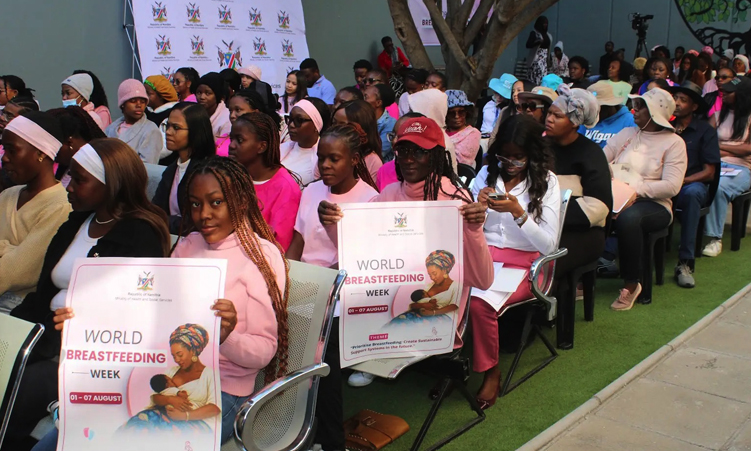
Speaking during the commemoration of World Breastfeeding Week at Windhoek Central Hospital, she called for robust maternity leave policies, dedicated breastfeeding corners and flexible working hours to support breastfeeding mothers.
Her call follows similar appeals made by the government in recent years. In 2024, the Ministry of Justice and Labour Relations urged employers to accommodate breastfeeding mothers after a Nutrition and Food Security Alliance of Namibia study found that many women were not adequately supported in the workplace.
United Nations Children’s Fund country representative Samuel Ocran says supportive communities, baby-friendly hospitals and breastfeeding-friendly workplaces are proven to improve breastfeeding outcomes.
Labour expert Herbert Jauch adds that workplace support for breastfeeding forms part of broader efforts to advance gender equality and help mothers balance work and family responsibilities.