A N$4.9 million emergency tender linked to urban and rural development minister James Sankwasa has sparked debate over the transparency of Namibia’s public procurement system.
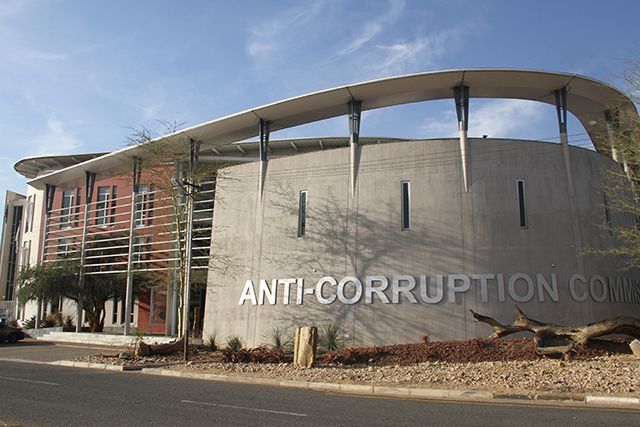
The Namibian on Friday reported that the Anti- Corruption Commission (ACC) has asked Sankwasa to explain details around the tax compliance certificate he used to win a government tender – amid suspicions that the document is fake.
Corporate governance expert Ntelamo Ntelamo told Desert FM on Friday that the legitimacy of such certificates is fundamental to fair procurement.
“If it is forged, then on face value the company appears compliant when in truth it might not be,” he said. “A company could be benefiting from state contracts while not paying its dues to the taxman.”
He stressed that verification is straightforward.
“Only the Namibia Revenue Agency (Namra) can confirm whether a good standing certificate is legitimate. That should be checked immediately when there is an allegation,” Ntelamo said.
The case has triggered wider questions about internal safeguards in emergency procurement.
Emergency procedures are designed to shorten timelines, not to waive compliance requirements, Ntelamo said.
“The requirements must still be there. You simply shorten the process of awarding the contract,” he explained.
If the tender was awarded while the minister was in office, the implications could be serious.
“It raises questions of conflict of duty or conflict of interest, depending on whether he had influence in the adjudication,” Ntelamo said.
He added that public confidence erodes when politically connected figures compete for state contracts.
“When you are sitting in a high public office, you cannot be competing with the public for government work,” he said. “It almost seems as if the playing field is not level.”
Ntelamo warned that emergency procurement is particularly vulnerable to abuse because it often bypasses open advertising.
“In an emergency we do not advertise. We solicit quotations, but from who? How are they identified? It is not transparent,” he said.
He linked repeated emergency tenders to poor planning rather than genuine urgency.
“We have a tendency of waiting until the last minute. Then suddenly everything becomes an emergency,” he said. “Within that emergency we are likely to trample upon rules and procedures.”
He pointed to oversight structures such as the finance ministry’s procurement policy unit, which has the authority to investigate and review tenders.
“The ACC must go ahead and do their job. It is well within their right to verify the certificate,” he said.
However, he acknowledged growing public scepticism about procurement oversight.
“The indicators of a deeper crisis in how we handle procurement are evident,” he said.
Ntelamo emphasised that institutions such as the ACC and Namra must communicate clearly during high-profile investigations to maintain public trust.
“Why it should take more than a week to verify a document is a surprise. That information should be established very quickly,” he said.
“We need people in these institutions who are determined to ensure transparency and accountability,” Ntelamo said. “It comes down to individuals doing their jobs.”
As the investigation continues, the case has become a test of Namibia’s procurement safeguards and of whether emergency powers are being used to serve the public interest or private advantage.
In an age of information overload, Sunrise is The Namibian’s morning briefing, delivered at 6h00 from Monday to Friday. It offers a curated rundown of the most important stories from the past 24 hours – occasionally with a light, witty touch. It’s an essential way to stay informed. Subscribe and join our newsletter community.

The Namibian uses AI tools to assist with improved quality, accuracy and efficiency, while maintaining editorial oversight and journalistic integrity.
Stay informed with The Namibian – your source for credible journalism. Get in-depth reporting and opinions for
only N$85 a month. Invest in journalism, invest in democracy –
Subscribe Now!