




Namibia’s economy grew by 2.7% over the past year, making it the 16th quarter in a row the country has seen real growth.
This is according to Simonis Storm analyst Almandro Jansen.
He does, however, say this is a slowdown from the 4.8% recorded in the same quarter of 2024.
In nominal terms, gross domestic product (GDP) stood at N$62.4 billion, an increase of N$4 billion from the N$58.5 billion registered a year earlier, Jansen says.
“While the overall trend reflects a continued recovery, growth momentum has moderated due to contractions in the primary and secondary sectors with robust performance in the services sector providing critical support to headline growth,” the analyst says.
According to Jansen, the primary industries contracted by 3.1% in real value added, driven largely by a 20.1% decline in agriculture and forestry, and an 8.7% decline in fishing and fish processing on board.
“Agricultural activity was severely impacted by drought conditions and the outbreak of lumpy skin disease, which led to sharp declines in cattle marketing and live animal exports,” he says.
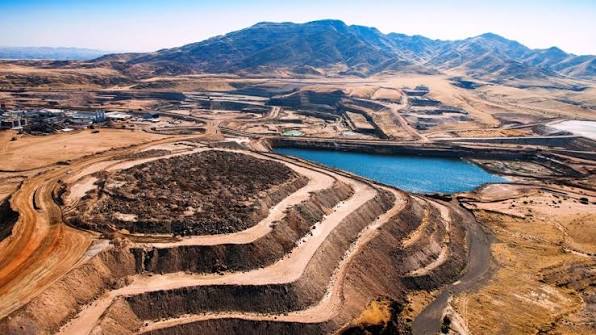
According to the analysis, midwater landings in the fishing sector dropped significantly, contributing to the overall contraction, while the mining and quarrying sector showed modest growth of 2%, bolstered by a strong rebound in uranium production, which surged by 36.5% on the back of favourable international prices.
“Metal ores also registered a solid 7.1% increase, although diamond mining declined by 4% due to weakened global demand,” Jansen says.
Secondary industries recorded a year-on-year decline of 0.7%, primarily due to a 1.7% contraction in manufacturing, he says.
However, select industries such as basic non-ferrous metals, leather products, and rubber and plastic goods saw notable growth.
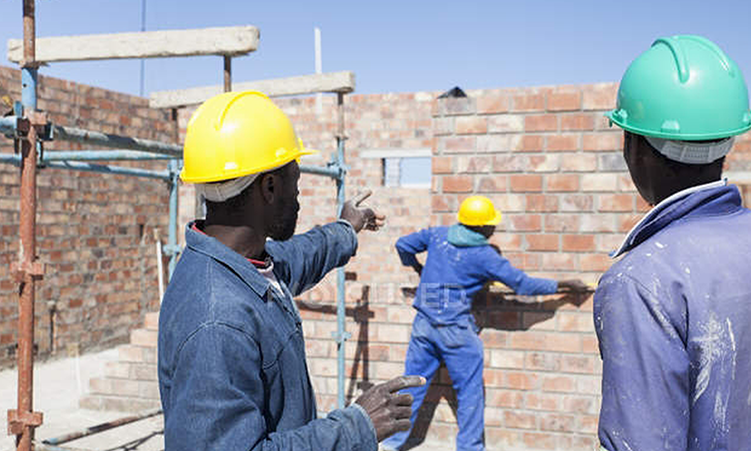
The construction sector expanded by 2.5%, reflecting improved public expenditure and an increase in completed building projects, while the electricity and water sector posted marginal growth of 0.5%, with reduced domestic electricity generation offset by increased imports to meet demand.
Tertiary industries remained the main driver of economic growth, expanding by 5.1% in the first quarter of 2025, compared to 4.8% in the same period the previous year.
“The health sector led the way with an 11.4% increase, driven by a rise in public health personnel, while the wholesale and retail trade also performed well, growing by 6.5%, supported by higher consumer activity.
“Financial services rose by 6.0%, buoyed by growth in both banking and insurance, while administrative and support services increased by 5.7%,” the analyst notes.
Other segments, such as education, public administration, and transport also contributed positively, although air and port services experienced slight declines, he says.
On the expenditure side, private final consumption fell by 0.7%, indicating subdued household spending, while government final consumption rose by 5.8% due to a growing public workforce.
The gross fixed capital formation increased by 3.8%, supported by higher investment in machinery, transport, and construction activities.
Jansen says exports of goods and services rose by 15.6%, outpacing the 6.2% increase in imports.
“This led to a narrower external deficit and provided welcome support to overall growth,” he says.
He says the agriculture and forestry sector recorded a severe contraction of 20.1%, reflecting one of the sharpest declines in recent quarters.
“This weak performance was largely attributed to the livestock subsector, which declined by 27.3% due to the lingering effects of the 2024 drought.
“The drought led to excessive marketing of animals last year, reducing available stock in early 2025. Compounding this were outbreaks of lumpy skin disease, which hampered export volumes,” the analyst says.
The number of cattle marketed to export abattoirs dropped by 24.2%, while live animal exports fell by a staggering 76.8%.
Small stock also suffered, with live exports and slaughter for domestic and export use declining by 39.8% and 43.4%, respectively.
– email: matthew@namibian.com.na