• CAROL SORGEN THERE’S no denying that as we age chronologically, our body ages along with us. But research shows that you can increase your chances of maintaining a healthy brain well into your old age if you add these ‘smart’ foods to your daily eating regimen.
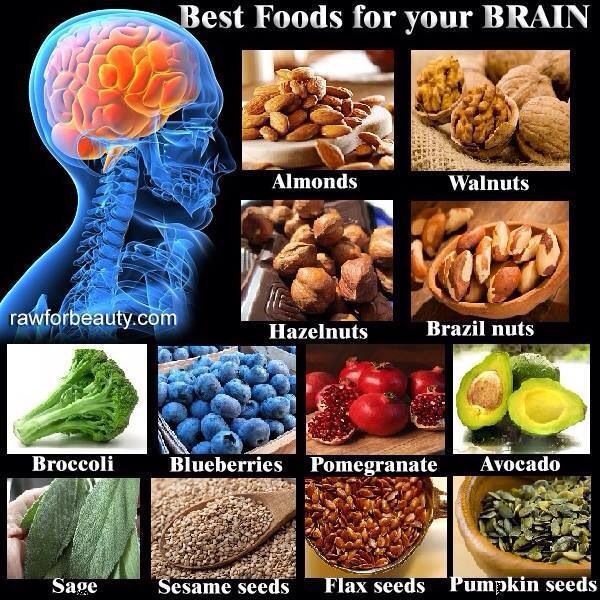
‘Brainberries’ is what Steven Pratt, MD, author of Superfoods Rx: Fourteen Foods Proven to Change Your Life, calls these tasty fruits. Pratt, who is also on staff at the Scripps Memorial Hospital in La Jolla, California, says in animal studies, researchers have found that blueberries help protect the brain from oxidative stress and may reduce the effects of age-related conditions such as Alzheimer’s disease or dementia.
Studies have also shown that diets rich in blueberries significantly improved both the learning capacity and motor skills of ageing rats, making them mentally equivalent to much younger rats. Ann Kulze, MD, author of Dr Ann’s 10-Step Diet: A Simple Plan for Permanent Weight Loss & Lifelong Vitality, recommends adding at least one cup of blueberries a day in any form — fresh, frozen or freeze-dried.
Deep-water fish, such as salmon, are rich in omega-3 fatty acids, which are essential for brain function, says Kulze. Both she and Pratt recommend wild salmon for its ‘cleanliness’, and the fact that it is in plentiful supply. Omega-3s also contain anti-inflammatory substances. Other oily fish that provide the benefits of omega-3s are sardines and herring, says Kulze. She recommends a 4-ounce serving, two to three times a week.
Nuts and seeds are good sources of Vitamin E, says Pratt, explaining that higher levels of Vitamin E correspond with less cognitive decline as you get older. Add an ounce a day of walnuts, hazelnuts, Brazil nuts, filberts, almonds, cashews, peanuts, sunflower seeds, sesame seeds, flax seed and unhydrogenated nut butters such as peanut butter, almond butter and tahini. Raw or roasted does not matter, although if you are on a sodium-restricted diet, buy unsalted nuts.
Avocados are almost as good as blueberries in promoting brain health, says Pratt. “I don’t think the avocado gets its due,” agrees Kulze. True, the avocado is a fatty fruit, but, says Kulze, it’s a mono-unsaturated fat, which contributes to healthy blood flow. “And healthy blood flow means a healthy brain,” she says.
Avocados also lower blood pressure, says Pratt, and as hypertension is a risk factor for the decline in cognitive abilities, a lower blood pressure should promote brain health. Avocados are high in calories, however, so Kulze suggests adding just a quarter to half of an avocado to one daily meal as a side dish.
Carol Sorgen is a freelance writer and contributor to WebMD and writes frequently on health and wellness articles.
In an age of information overload, Sunrise is The Namibian’s morning briefing, delivered at 6h00 from Monday to Friday. It offers a curated rundown of the most important stories from the past 24 hours – occasionally with a light, witty touch. It’s an essential way to stay informed. Subscribe and join our newsletter community.

The Namibian uses AI tools to assist with improved quality, accuracy and efficiency, while maintaining editorial oversight and journalistic integrity.
Stay informed with The Namibian – your source for credible journalism. Get in-depth reporting and opinions for
only N$85 a month. Invest in journalism, invest in democracy –
Subscribe Now!