



DAR ES SALAAM – Leaders of the six-member East African Community (EAC) have requested a three-month extension for deciding whether to sign the Economic Partnership Agreement (EPA) with the European Union (EU).
Protection of local industry has surfaced as a major concern as the bloc discussed the pact that will facilitate trade between the EAC and the EU.
At the end of their one-day 17th extraordinary EAC heads of state summit in Dar es Salaam, commercial capital of Tanzania, on Thursday, the leaders said there were still more issues needed to be looked at.
Kenya and Rwanda signed the agreement earlier this month, but it needs approval from all members of the bloc to be operational. Other members of the regional bloc are Tanzania, Uganda, Burundi and South Sudan.
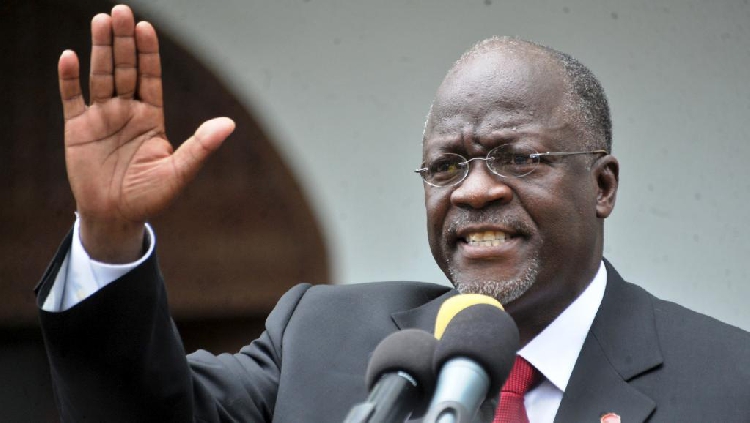
Addressing a news conference at the end of the summit, the EAC chairman, Tanzanian president John Magufuli, said protection of local industries was among the issues that made the EAC hesitate.
Magufuli said the heads of state had suggested to postpone the official signing, which was originally scheduled for 1 October to January 2017.
The pact gives products from EAC member states duty- and quota-free access to the EU market as long as they meet health and safety standards, while the EAC will gradually liberalise 80% of its market for EU imports.
“We need to achieve market access of the EU with industrialisation of our countries. We cannot continue to export raw materials,” said Ugandan president Yoweri Museveni.
EAC member states initiated an interim EPA deal in 2007 and another in 2014. Governments were given two years starting in October 2014 to ratify the deal in national parliaments.
Kenya, given its middle-income-country status, stands to lose the most without the agreement, while Tanzania, Burundi, Uganda and Rwanda would continue to get duty- and quota-free access under the EU’s Everything But Arms initiative, since they are classified as least developed countries.
“We appeal to the EU not to punish Kenya by denying it access of its products including flowers to the European market,” Magufuli said.
Governments in the region also want to ensure that exports such as tea and fresh flowers, which are major sources of foreign exchange, are not hampered by any tariffs on trade with Britain after it leaves the European Union.
– Nampa-Xinhua
In an age of information overload, Sunrise is The Namibian’s morning briefing, delivered at 6h00 from Monday to Friday. It offers a curated rundown of the most important stories from the past 24 hours – occasionally with a light, witty touch. It’s an essential way to stay informed. Subscribe and join our newsletter community.

The Namibian uses AI tools to assist with improved quality, accuracy and efficiency, while maintaining editorial oversight and journalistic integrity.
Stay informed with The Namibian – your source for credible journalism. Get in-depth reporting and opinions for
only N$85 a month. Invest in journalism, invest in democracy –
Subscribe Now!