



The Terms Small and medium enterprises (SMEs), and informal and microenterprises (IMEs) are often used interchangeably, but they are distinct categories of businesses with varying characteristics, particularly in areas such as finance, products and services, and training.
Understanding and being able to adapt to these differences is essential to develop strategies for these sectors, especially in Namibia.
When it comes to finance, SMEs are more formalised and structured compared to IMEs. SMEs often have access to a range of financial resources, such as loans, venture capital and government grants.
This access is facilitated by their ability to provide financial statements, business plans and other documentation required by financial institutions.
This formal relationship with banks and investors positions SMEs as the more stable and scalable type of business.
On the other hand, IMEs often operate without clear financial documentation or legal registration.
Access to capital for these businesses is limited and typically restricted to personal savings, family loans or informal borrowing from local moneylenders.
The lack of financial infrastructure and credibility with banks means that these businesses are less likely to receive external funding or credit.
This gap often results in limited growth opportunities and less ability to invest in infrastructure, marketing or technology.
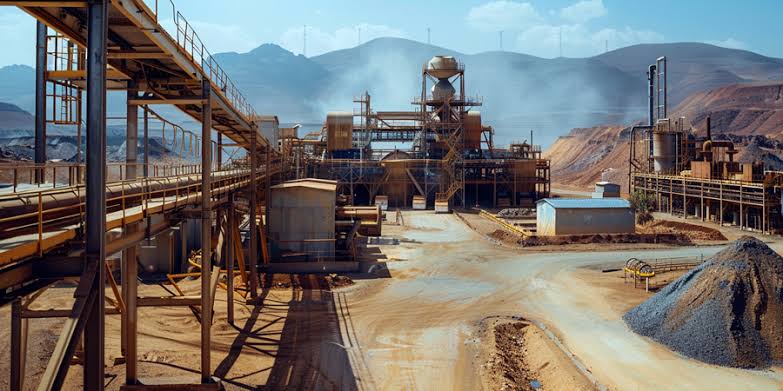
SMEs usually cater to a broader market, offering a more diverse range of products and services.
Their offerings are typically built around addressing the needs of local and regional markets, and many SMEs have the capacity to engage in large-scale production.
Their products are often standardised, with some SMEs reaching a level of sophistication that allows them to export goods internationally.
SMEs also tend to adopt modern technologies to improve efficiency, quality and scalability.
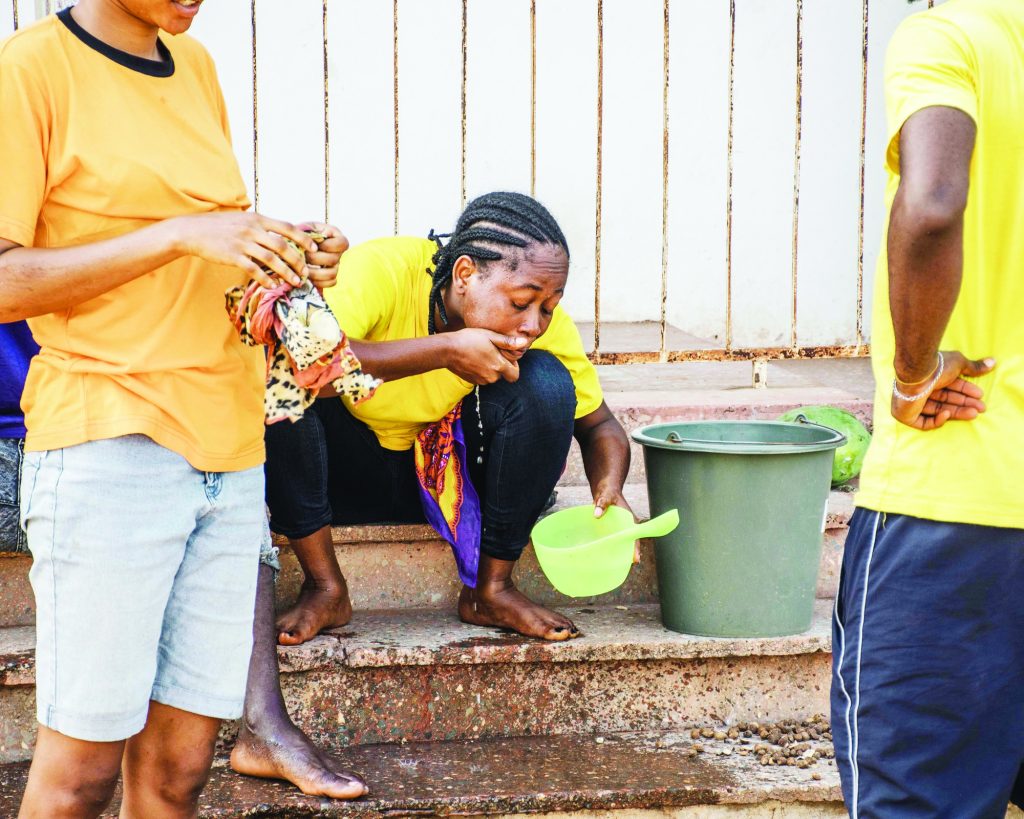
In contrast, IMEs focus on serving local, often niche, markets. These businesses are usually much smaller in scale and offer products and services that meet immediate local demand.
Their offerings are less standardised and may often be customised or handmade, and as a result, they are not able to scale as easily.
While some IMEs have the potential to grow, many remain limited in their reach due to their small size, lack of infrastructure and inability to invest in technology or production improvements.
Training and skill development represent another area of significant differentiation.
SMEs generally invest more heavily in training and professional development, as they recognise that skilled employees are essential for their growth and ability to compete in the market.
These businesses often have structured training programmes for employees, ranging from technical skills to management and leadership development.
This focus on training helps SMEs build a competitive workforce that can handle complex tasks and drive innovation.
In contrast, IMEs usually lack access to formal training programmes due to limited resources and a more ad hoc business model.
While some microentrepreneurs may possess significant skills in their craft, they may not have access to broader business skills such as marketing, accounting or customer service.
As a result, IMEs may struggle with inefficiencies, poor financial management and limited ability to scale.
However, the entrepreneurial spirit and resourcefulness of many informal and microentrepreneurs often lead them to develop skills on the fly, making them incredibly adaptable and resilient in the face of challenges.
While SMEs and IMEs all play essential roles in the economy, the distinctions between them are clear when viewed through the lenses of finance, products and services, and training.
SMEs are formal, structured entities with access to financing, standardised offerings, and a commitment to employee development.
In contrast, IMEs are more agile, operating within tighter constraints, and focused on local markets with limited resources.
For anyone looking to support or grow businesses in emerging markets, understanding these differences is crucial for tailoring interventions and strategies that foster growth and sustainability.
- Pierre Mare is a local brand marketing specialist and development communicator. Mare established www.minibiz7.com, a platform for larger enterprises to make offers to IMEs. It also provides IMEs with enterprise development and business administration information.