






Sending a simple text message has now become slightly outdated. The way we communicate digitally has evolved as technology and access to the internet has improved. From using emoticons to emojis (yes, there is a difference), we have now adopted the use of memes and gifs to humorously and succinctly convey our tone in our conversations online.
LifeWire defines a meme as “a virally transmitted cultural symbol or social idea”.
These images are usually captioned and used to add humour to the conversation by publicly ridiculing human behaviour. Some are even educational, ready to increase your general knowledge or steer you away from your ‘problematic’ behaviour.
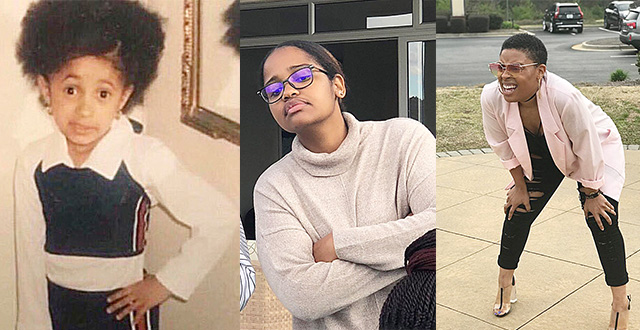
Back then, applications like Meme Generator were developed for users to create their own memes with free images provided on the site or by the user creating the meme. Today, users easily caption images on social media and others screenshot and circulate it as a meme. Images of your favourite celebrities, actors, influencers and popular tweeps are now being used as memes, making social media more enjoyable.
Twitter user @venerurum told The Weekender she was first aware that she became a meme in 2016 when a photo of her sipping from a glass went viral. A fellow tweep first retweeted the meme she created out of her own image captioned “she said she never sees me in the club but I never see her in the bank”, which made it to NamTwitter where other followers later created their own memes out of her image.
She agrees with other tweeps and says that memes and gifs have allowed Namibians to display their emotions and reactions visually alongside text.
When it comes to the usage of memes, @GifConnoisseur says, “I try not to take myself or any situation too seriously on the interwebs, so gifs/memes are the perfect way to neutralise awkward or tense situations. Also, it’s perfect for part-time trolls like myself.”
@crazynellz shares the same sentiment, adding that they make the point better than she ever could.
Gif (originally pronounced ‘jif’)
Gifs, fully known as a graphics interchange formats, are several images or frames which loop like an animation with no sound and are compressed for easier transferability, like stop motion film. The fact that gifs play continuously takes away the job of having to press play like you would on a video (unless your autoplay functionality is on).
Gifs have been around for over three decades and were initially used as buttons or banners on websites because a sequence of images can be stored in one file as opposed to several image files. However, gifs have now infiltrated the digital youth’s speech and have changed the way users communicate online.
@LeandroSamuk on Twitter shares why he uses gifs: “I do it for comedic purposes. It really helps drive the point home, because sometimes words get in the way.”
Common gif websites like Giphy and Tenor have now been integrated into common social and messaging platforms like Facebook, Twitter and WhatsApp to easily allow users to search for a gif best suited for their conversation.
“It allows me to set the tone of the conversation. Text alone can be misconstrued, but with memes or gifs ,the possibility of that happening is kept at a minimum. Also, it’s just plain fun,” says @Modern_Villager from Twitter.
Besides setting the tone, gifs and memes can be used in a reactionary manner based on the context of the conversation. Instead of relying on the shocked face emoji, you can make use of a gif.
If you thought your mobile gallery only consisted of a few camera shots and selfies, people now have meme and gif folders ready to share the perfect response to their friends online.
Owner of BM Design Studio, Betty Sibeso, says her side-eye reaction will not be conveyed properly via text, so “thank goodness for memes and gifs”. Speaking of this phenomenon as a trend, she believes they are a part of the culture now and won’t become obsolete any time soon.
Some popular moments have both memes and gif created from them, allowing people to use them in any sort of way. Common examples are confused Nick Young, Roll Safe, sad Dre from ‘Black-ish’, boy shedding a single tear, crying Michael Jordan and ‘Cash Me Outside’ to name a few.
E-marketing strategist and director of social media agency ‘Sociality’, Japie Swanepoel, says the growth in meme and especially gif usage is the result of applications now allowing us to share the format on different networks as opposed to just email. More applications have made it easier for users to create memes.
He adds that more people have access to ICTs and this constant connection means that people are exposed to new information in real time, giving them the opportunity to react on events as they occur before people move on to a new topic. He gave an example of England losing their recent play-off for third place at the Fifa World Cup and how soon after, online users teased English supporters by creating memes of their loss.
Even though this trend is widely used by the connected youth on social media, businesses can also tap into the use of gifs and memes for their adverts. It can add humour to their campaigns or be used to encourage engagement among their audience given the nature of them being shared across various platforms.
Swanepoel says that there is a huge gap between what users are doing and what brands are doing online. Their audience is making use of them, yet brands are not trying to incorporate them into their marketing strategies.
He emphasises that opportunities are there, but marketers are probably not given the freedom to experiment with them.
Swanepoel advises them to take the leap. Using memes or gifs could be a hit or miss but a chance should be taken for brands to see what works for their company. This could lead to positive benefits and engagement between the audience and brand, therefore, closing the gap.