






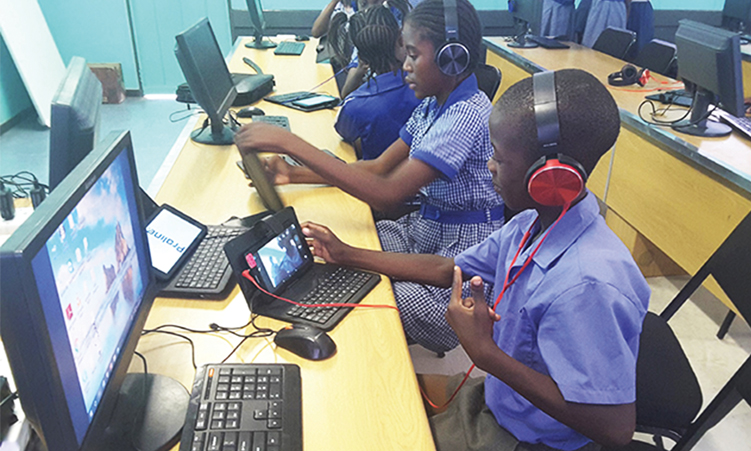
Namibia’s education system – particularly at the primary level – stands at a crossroads. While we’ve made progress in expanding access to education, the next challenge lies in how we deliver that education, especially in light of the digital revolution shaping our world.
As a master of education student in higher education and a former junior primary teacher, I believe the time has come to embrace educational technology in a way that strengthens foundational learning and ensures no child is left behind.
Digital literacy is often introduced too late in a pupil’s journey, yet many children are already exposed to digital tools from a young age. If schools do not match this exposure with structured digital learning, we risk widening the digital divide and disengaging pupils who might otherwise thrive.
Integrating basic educational technology in early classrooms – such as audio-visual aids, reading apps on tablets, or teacher-led videos – can enhance engagement and improve literacy and numeracy outcomes. Most importantly, pupils begin to see digital tools as part of learning, not merely entertainment.
My own experience in the classroom showed me how passionate Namibian teachers are about innovation – but also how under-resourced and under-supported they remain. Even with the best intentions, it is difficult to integrate digital tools if teachers lack training, connectivity, or access to materials.
Professional development must be a cornerstone of any digital education plan. Teachers need regular, accessible workshops to build confidence in using technology meaningfully. Teacher training colleges and universities should also prepare future educators for tech-enhanced classrooms from the outset.
Namibia has strong policy ambitions, such as those outlined in the information and communication technology policy for education and national development plans. Yet implementation at school level remains unequal. Many rural schools still struggle with access to electricity, let alone internet connectivity.
To make a meaningful impact, the education ministry must collaborate with education researchers, teacher unions, technology partners, and community leaders. Successful pilot projects – especially those effective in under-resourced settings – must be scaled into national programmes.
As someone currently studying higher education, I see how deeply interconnected our education system is. Pupils who struggle with reading and digital skills at primary level are less likely to succeed at tertiary level.
Strong foundations in early learning, supported by the smart use of technology, will help shape Namibia’s future workforce and leadership.
We must stop viewing educational technology as a luxury or a distant goal. It is a current necessity.
By starting in primary school, we can prepare Namibian pupils to navigate an increasingly digital world with confidence, creativity, and purpose.
– Lydia Shakumu