



Namibia has begun the development of its third National Biodiversity Strategy and Action Plan (NBSAP III), a national policy instrument that will guide biodiversity conservation and sustainable use over the next decade.
The process is being led by the Namibia Nature Foundation, in collaboration with the Ministry of Environment and Tourism, with the technical and financial support of the Deutsche Gesellschaft für Internationale Zusammenarbeit (GIZ).
According to a joint press statement issued on Thursday, the new strategy will align Namibia’s national biodiversity priorities with the Kunming–Montreal Global Biodiversity Framework, while also supporting national development objectives.
“The development of the NBSAP III marks an important step in ensuring that Namibia’s biodiversity priorities are aligned with global commitments and national development goals,” Namibia Nature Foundation spokesperson Disney Andreas says.
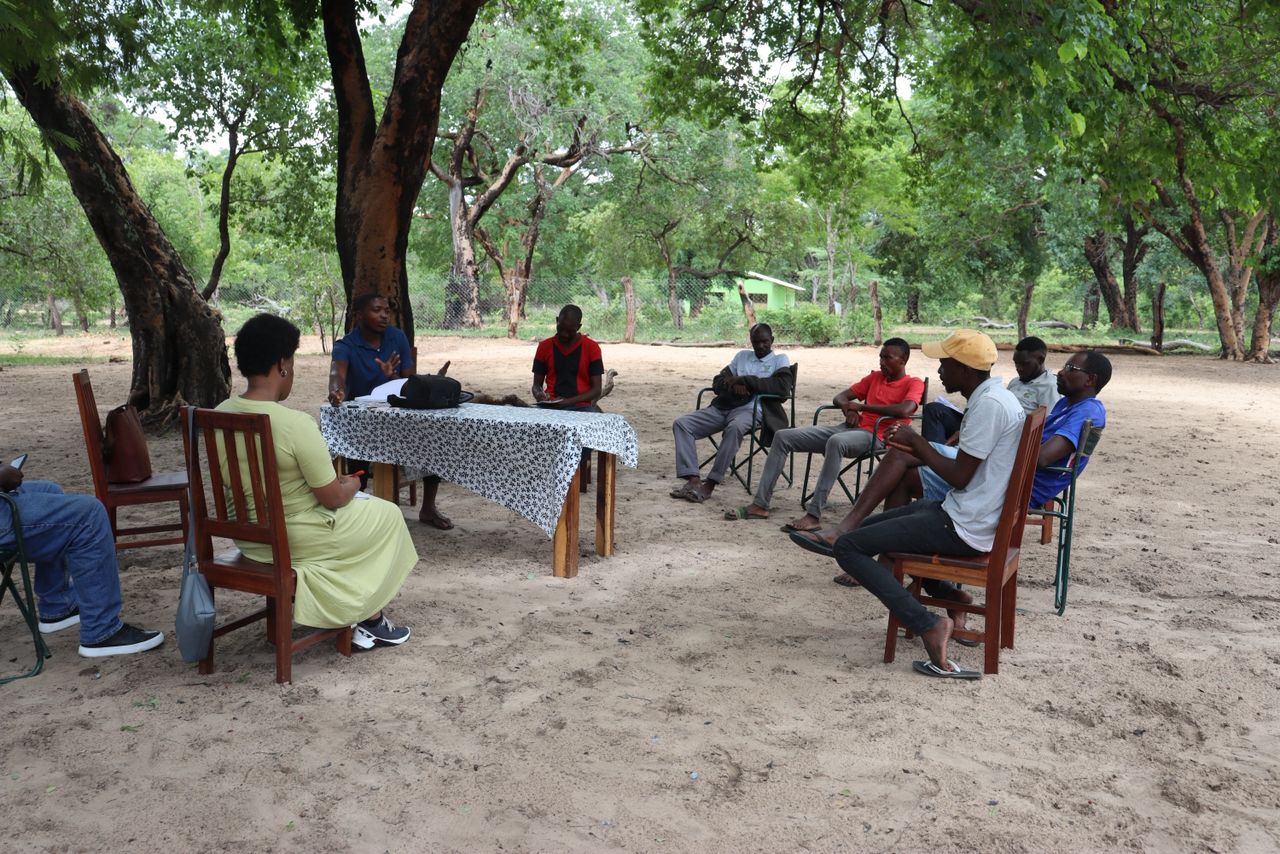
The process has entered its initial phase, with national field consultations currently underway in several regions.
Regional consultation meetings have already been held with stakeholders from the Zambezi, Kavango East, Kavango West, Ohangwena, Omusati, Oshana, Oshikoto, Erongo and southern Kunene regions.
The consultations aim to introduce stakeholders to the NBSAP process, share findings from the review of the second biodiversity strategy, and gather regional inputs on biodiversity status, key drivers of biodiversity loss, governance challenges and capacity needs.
Stakeholders are also contributing to the development of strategic goals, targets and priority actions that will inform the final strategy.
Participants include representatives from regional and local authorities, line ministries, civil society organisations, the private sector, academia, youth groups, and indigenous peoples and local communities.
Namibia Nature Foundation programme lead for community conservation partnerships and safeguards Priscilla Mundilo says inclusive consultations are critical to the success of the strategy.
“Inclusive and participatory consultations are essential to ensuring that the NBSAP III is practical, implementable and nationally owned, strengthening Namibia’s ability to halt biodiversity loss while supporting livelihoods and sustainable development,” Mundilo says.
The outcomes of the regional consultations will feed into a national situation analysis that will serve as the evidence base for the strategy.
This will be followed by consultations with technical experts in biodiversity, policy, planning and implementation to support the drafting of the NBSAP III.
A national validation workshop will then be convened, allowing stakeholders to review and refine the draft strategy before finalisation.
Further updates are expected as consultations continue.
In an age of information overload, Sunrise is The Namibian’s morning briefing, delivered at 6h00 from Monday to Friday. It offers a curated rundown of the most important stories from the past 24 hours – occasionally with a light, witty touch. It’s an essential way to stay informed. Subscribe and join our newsletter community.

The Namibian uses AI tools to assist with improved quality, accuracy and efficiency, while maintaining editorial oversight and journalistic integrity.
Stay informed with The Namibian – your source for credible journalism. Get in-depth reporting and opinions for
only N$85 a month. Invest in journalism, invest in democracy –
Subscribe Now!