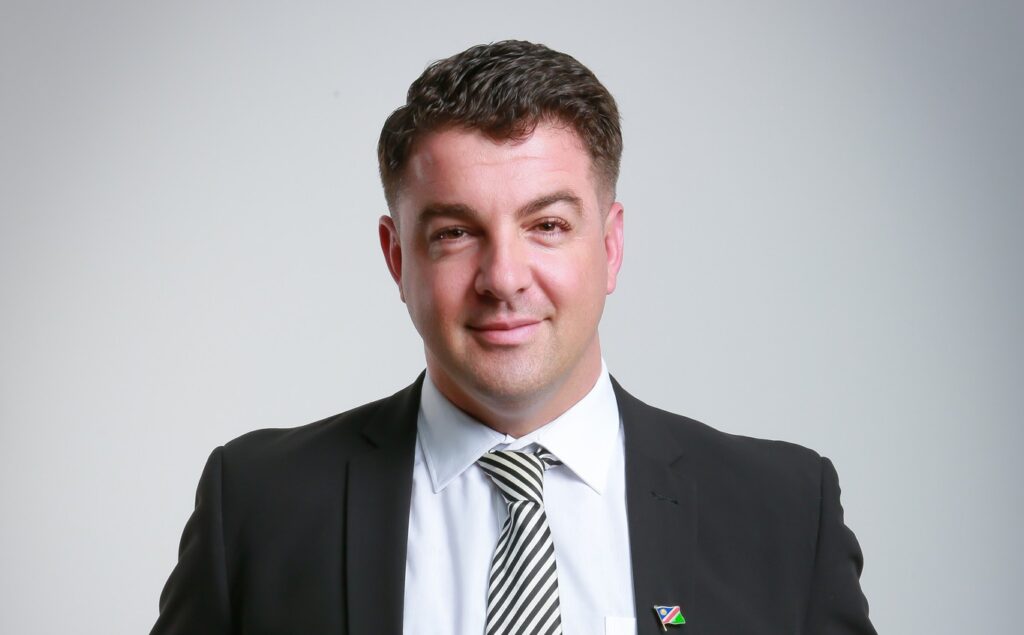
National Assembly, Windhoek. 10 April 2026.
___________________________________________________________
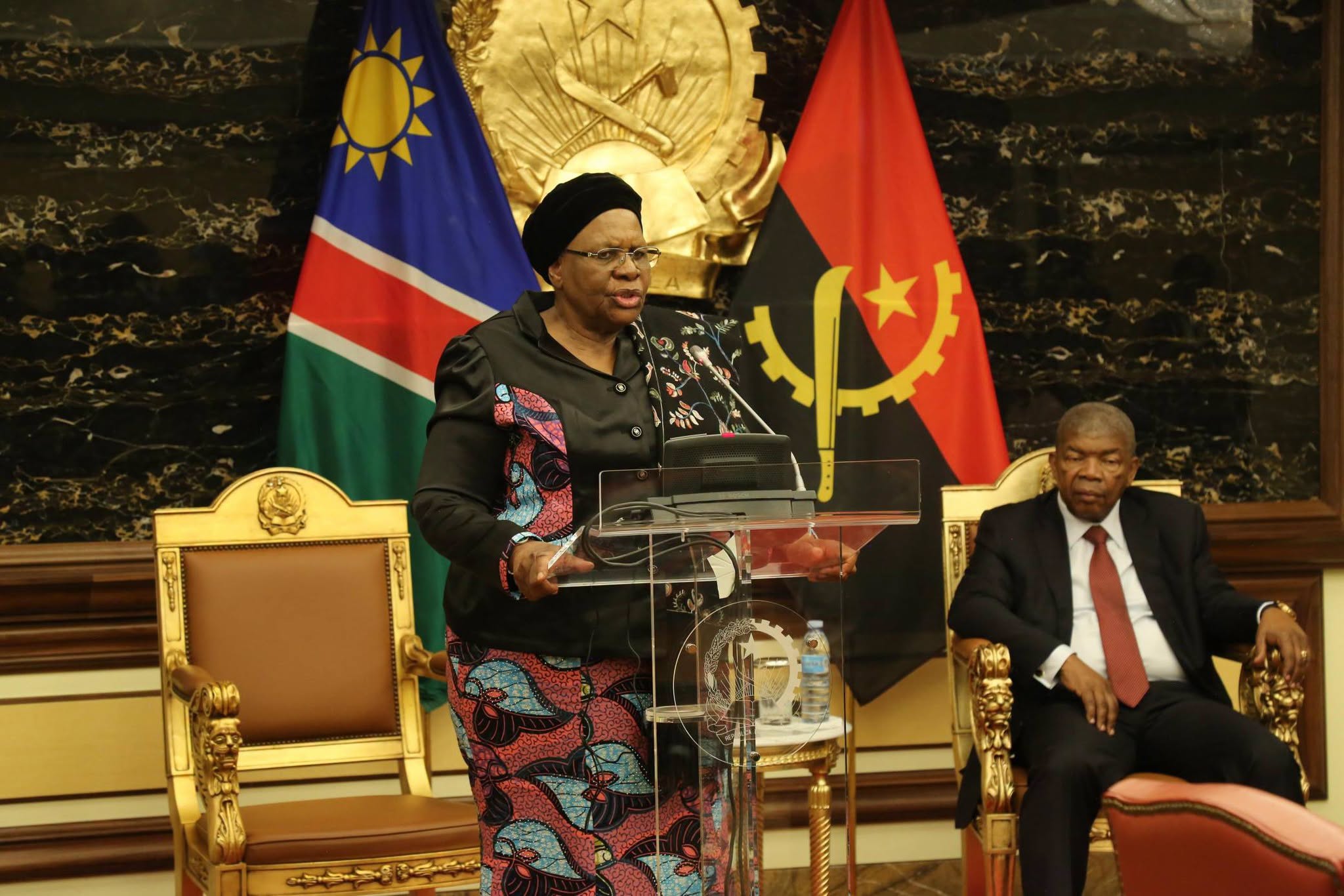
I rise before you today to motivate and seek approval for vote 27: youth, sports and national service for the 2026/2027 financial year, on behalf of Sanet Steenkamp.
Allow me to also appreciate the minister of finance and the director general of the national planning commission for the national budget. I further extend condolences to the family of James Uerikua and his son.
This budget must be viewed not as a social cost, but as a strategic investment in the future of young people, aimed at empowering youth, strengthening sport development and advancing inclusive socio-economic growth.
According to the 2023 national census, youth under the age of 35 constitute 71.1% of Namibia’s population. This demographic presents a significant opportunity for economic growth, but only through sustained and targeted investment. Sport also plays a vital role in nation-building, promoting unity, discipline and national pride.
The vote aligns with national development priorities under NDP6 and the Swapo Party manifesto implementation plan.
Under the youth development programme, significant progress was made. A total of 353 youth completed one-year skills training at youth skills training centres, while 119 youth completed semester-based programmes at multi-purpose youth resource centres.
A further 104 youth were trained in mushroom cultivation, with several regions receiving start-up materials. Youth agriculture co-operatives were established across all regions, supporting collective production and employment.
Life skills programmes reached 4 608 young people, while 62,496 youth accessed sexual reproductive health and rights services through youth-friendly clinics in partnership with the Namibia Planned Parenthood Association.
Youth leadership programmes reached 284 participants, including involvement in international platforms such as the Commonwealth youth council dialogue hosted in Windhoek, which resulted in the Windhoek Declaration.
An amount of N$35.104 million is allocated to youth development programmes for 2026/2027. This will support skills training, enterprise development, access to finance through the Namibia youth credit scheme, and expansion of life skills initiatives.
A total of 908 youth were trained in business management, with a target to reach 1 960 youth in the coming financial year. The charcoal youth self-employment project trained 400 youth, with further expansion planned.
Youth infrastructure development receives N$19.800 million to support the construction of multi-purpose youth resource centres and the rehabilitation of industrial parks across regions.
The National Youth Service trained 1 030 recruits, with 600 enlisted into the Namibian Defence Force. A total of 987 recruits were deployed to voluntary service projects, while 612 received technical and vocational training.
An amount of N$122.471 million is allocated to the National Youth Service, with a target to train 1 500 youth.
The National Youth Council receives N$25.376 million to support governance reforms and the convening of a general assembly to restore institutional stability.
Under the sport development programme, Namibia achieved strong performances, including hosting the African Union Sports Council region 5 youth games and international competitions.
An amount of N$5 million is allocated for mass participation sport programmes, while N$3 million is allocated for participation in regional games.
Additional allocations include N$2 million for the Namibia Annual Sport Awards, N$1 million for sport equipment, and N$2.5 million to support professionalisation of sport.
Funding is also provided to national sport bodies, including the Namibia Rugby Union, Namibia Hockey Union, Namibia School Sport Union, Namibia National Paralympic Committee and Namibia National Olympic Committee.
An amount of N$19.131 million is allocated to the Namibia Sport Commission to strengthen governance, while N$2 million is allocated for anti-doping programmes and N$3 million for the Namibia Boxing Control Board.
Significant investment is being made in sport infrastructure. An amount of N$140 million is allocated for the construction of basic sport facilities across regions, with a further N$140 million allocated for additional facilities in the 2026/2027 financial year.
An amount of N$60 million is allocated for the upgrading of the Independence Stadium, while N$23.600 million will support the construction and rehabilitation of sport facilities in various towns, as well as the development of a national high-performance centre at the University of Namibia.
These investments align with national development goals to strengthen sport infrastructure and athlete development.
Vote 27 represents an investment in youth empowerment, entrepreneurship, sport excellence and national development. It is an investment in the future of Namibia.
I therefore call upon this house to support and approve vote 27 for the 2026/2027 financial year.
I thank you.