


Namibia, alongside other African countries, has been called to add value to commodities they produce before exporting them.
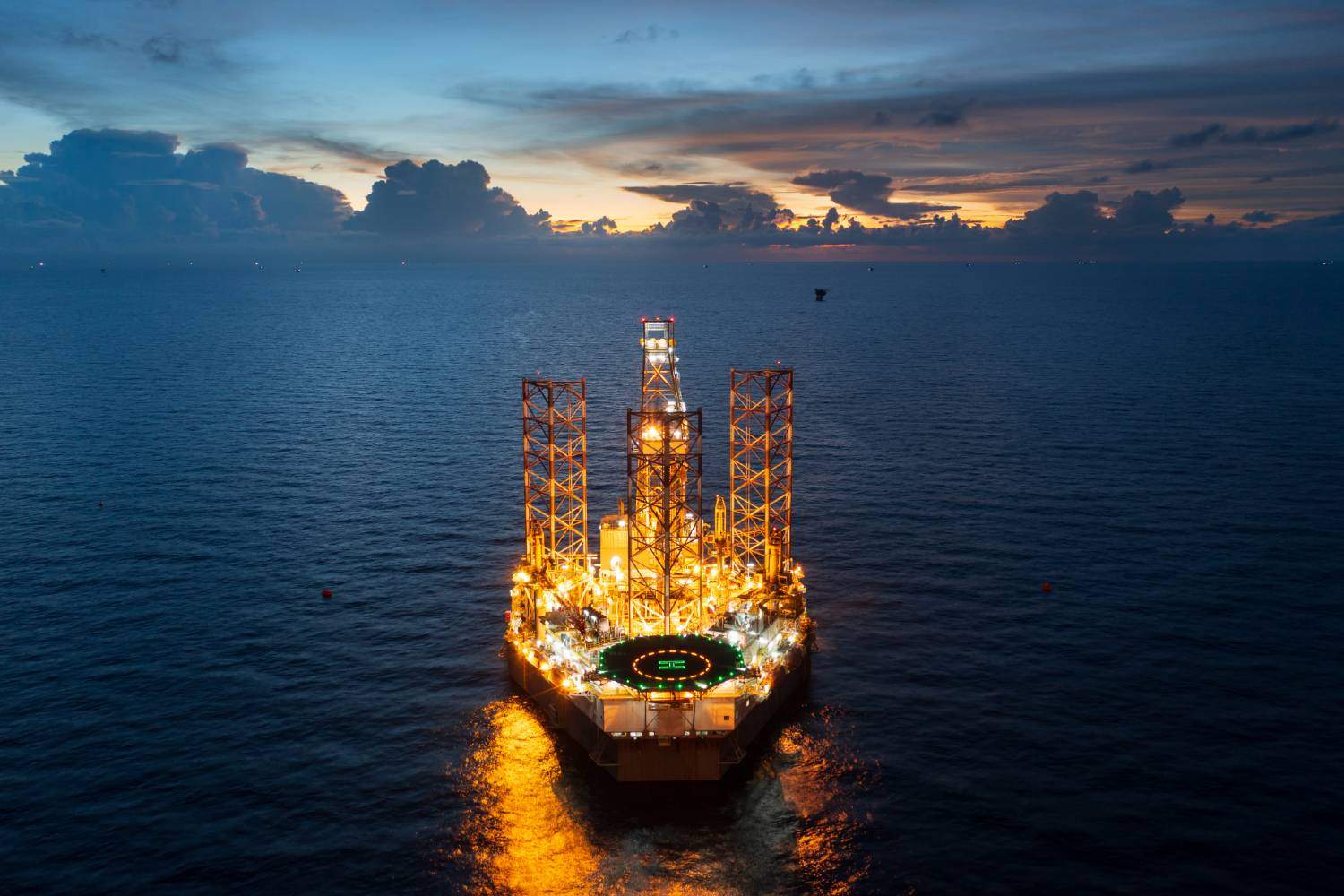
This comes as the country is making various oil discoveries, with an expert saying it is counterproductive for Namibia, as well as Angola, to export crude oil and import the same product after processing.
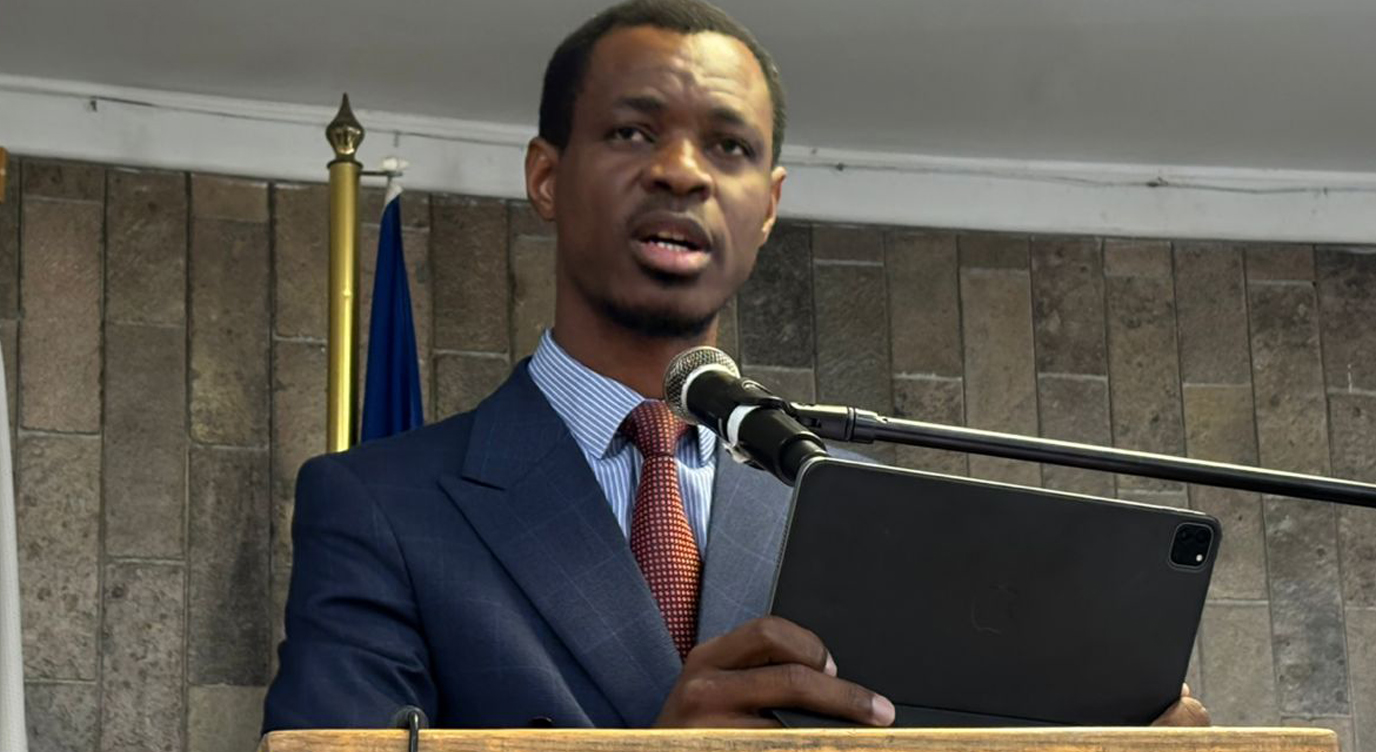
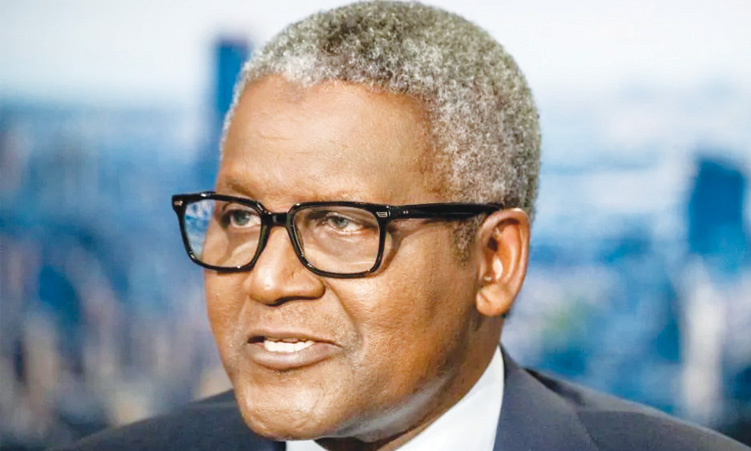
Afreximbank’s southern African director for regional operations Humphrey Nwugo says as Nigerian and Africa’s richest man Dangote constructed the largest single-train refinery in Africa, Namibia could explore a tolling arrangement with him.
“This would help reduce the cost of refined product imports and eliminate the immediate need for heavy capital outlay to build its own refinery – especially when crude is already available locally,” he says.
Nwugo says the bank’s view is that African countries must focus on adding value to the commodities they produce, but given the sheer number of refineries currently in the pipeline on the continent, it would be wise for countries/companies to collaborate on the planning of refineries to avoid internal competition and oversupply.
“They should also seek out markets outside their borders to sell their products. In effect, there is no gain in saying the fact that commodities mined or produced on the continent, including hydrocarbons from Namibia, will need to be processed locally to improve value retention,” Nwugo says.
Dangote, while paying president Netumbo Nandi-Ndaitwah a visit in June, touched on possible investment interest in Namibia.
This comes as his company group had a record-breaking energy and industrial expansion across 12 African countries, including a newly completed oil refinery which is deemed the largest in the world.
At the time, Nandi-Ndaitwah and the Nigerian billionaire agreed that Africa must be developed by Africans.
Business Insider Africa reported around the same time that Dangote Petroleum Refinery is set to build large fuel storage tanks at Walvis Bay to hold at least 1.6 million barrels of gasoline and diesel.
The move marks a strategic step in Dangote’s ambition to dominate fuel supply across Africa.
This is to potentially reshape regional energy trade flows and improve access to refined products in southern Africa.
The US$20 billion (about N$366 billion) refinery, which began operations in 2024, is the largest on the African continent, with a capacity to process 650 000 barrels of crude oil per day.
Meanwhile, Nwugo says there are various ways in which Afreximbank could support Namibia’s productive sectors.
“Namibia is a founding member of Afreximbank. Our relationship with Namibia is very cordial and the country participates routinely in the bank’s programmes, even though in terms of funding support and loan exposure Namibia is one of the lowest recipients of the bank’s facilities,” he says.
The regional director says a few years ago, the bank conducted a roadshow in Namibia to raise awareness of the its products and to demonstrate how Afreximbank can support the country’s productive sectors.
He says if Namibia does not take advantage of the bank which the country helped set up others will.
“With a balance sheet of over US$41billion (about N$750 billion), Afreximbank is best placed to assist key players in the Namibian economy to meet their funding and unfunded needs.
“The bank’s key strategies are focused on support for the African Continental Free Trade Area implementation and intra-African trade, as well as industrialisation and export development,” Nwugo says.
Nwugo’s sentiments come as Namibia kicks off its 2025 Oil and Gas Conference that officially started on Tuesday.
Nampa reported that the director of corporate services at the Nigerian Content Development and Monitoring Board, Abdulmalik Halilu, has expressed optimism about Nigeria working with Namibia and other countries in the energy space.
“For Nigeria, we are ready to partner with Namibia and other African nations to build an energy sector that drives shared prosperity,” he says.
Halilu calls for patience in dealing with local content, citing Nigeria as an example.
“It takes time, so you have to be consistent. Local content started as a policy.
It became a law. Today we have the ‘Nigeria first’ policy, which means the benefits of local content have extended to other sectors of the economy,” he says.
In an age of information overload, Sunrise is The Namibian’s morning briefing, delivered at 6h00 from Monday to Friday. It offers a curated rundown of the most important stories from the past 24 hours – occasionally with a light, witty touch. It’s an essential way to stay informed. Subscribe and join our newsletter community.

The Namibian uses AI tools to assist with improved quality, accuracy and efficiency, while maintaining editorial oversight and journalistic integrity.
Stay informed with The Namibian – your source for credible journalism. Get in-depth reporting and opinions for
only N$85 a month. Invest in journalism, invest in democracy –
Subscribe Now!