




The Windhoek High Court has dismissed an application to legalise cannabis in Namibia, ruling that ongoing legislative reviews make judicial intervention premature at this stage.
The Ganja Users of Namibia (GUN) group, however, says it will intensify its efforts to push for cannabis law reform after the court last week dismissed the application seeking to legalise the possession and use of cannabis in Namibia.
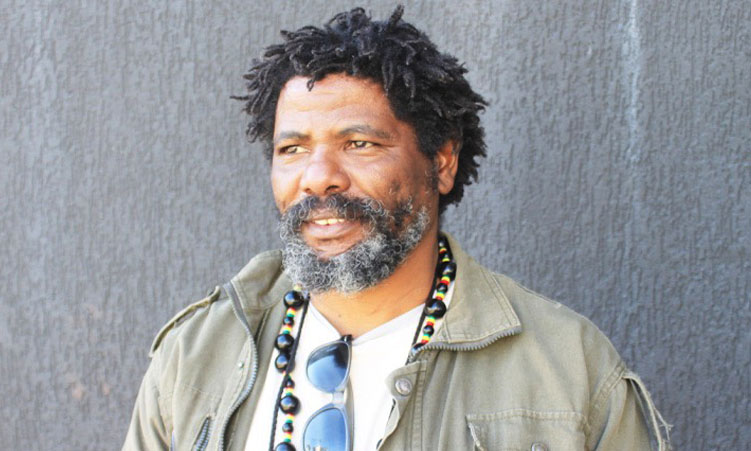
Speaking after the ruling last week, GUN secretary general Borro Ndungula said the organisation respects the court’s decision but views it as a procedural setback rather than a rejection of its campaign.
“The judge did not rule against our rights, nor did the court say cannabis prohibition is correct. The court simply found that the matter is premature because the government is already reviewing the relevant laws,” he said.
Ndungula said the organisation’s next step would be to hold the government accountable for its commitment to review Namibia’s cannabis legislation.
“We are going to organise ourselves and put political pressure on the government to make sure it honours the commitment it made before the court that it is reviewing the cannabis laws,” he said.
Judge Claudia Claasen dismissed the application after finding the government is already considering new legislation on cannabis, making it premature for the court to intervene.
In her judegment, Claasen said decisions on whether cannabis should remain prohibited or be legalised fall primarily within the responsibilities of the executive and legislative branches of the government.
“The classification of cannabis calls for a probe into matters such as the risk of harm caused by the substance, religious and broader social values, addiction potential, social and economic cost, and law enforcement,” she said.
Claasen described the matter as “polycentric”, saying it raises interconnected issues involving public health policy, criminal justice and broader social policy that are better addressed through the legislative process.
The ruling followed a constitutional challenge launched in August 2021 by GUN president Brian Jaftha, who also represented the Rastafari United Front, together with Ndungula.
The respondents included the government, the prosecutor general, the ministers of justice and health and social services, and the inspector general of the Namibian Police.
Despite the setback, Ndungula says the organisation remains committed to advocating for the legalisation of cannabis for medicinal, recreational, religious and commercial use.
He says legalising cannabis could unlock significant economic opportunities for Namibia by creating employment and supporting local manufacturing.
“There are thousands of products that can be made from cannabis. If it is legalised, Namibia could create jobs, develop local industries and supply international markets,” he says.
Ndungula also dismisses concerns that legalisation would fuel substance abuse among young people, saying cannabis should not be blamed for broader drug-related problems.
He says many harmful drugs are synthetic, while cannabis is a natural plant with recognised medicinal uses.
Ndungula says Namibia’s current drug laws are outdated and contain provisions that give law enforcement excessive powers, including the ability to conduct searches and confiscate property in ways he believes infringe on constitutional rights.
For now, GUN says it will shift its focus from the courts to the parliament, while monitoring the government’s promised review of the country’s cannabis laws.
“We are giving the government time, but we will ensure it follows through on the promise it made to the court,” Ndungula says.