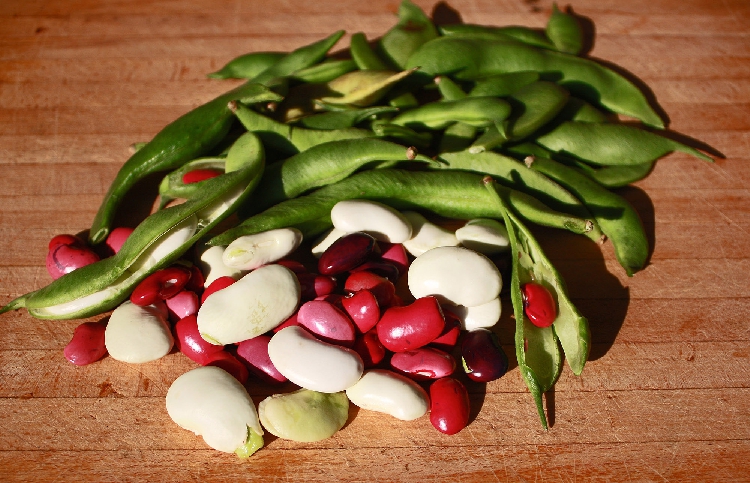
BEANS never seem to cultivate the gardening paparazzi spotlight status bequeathed to crops like heirloom tomatoes or summer strawberries. It’s time to shed the dear beans flatulence-quip-inducing reputation, and champion all its perks—from culinary prowess to its abundance of radiant heirloom varietals. Beans truly serve as the miracle addition to your garden and plate.
With hundreds of heirloom bean varietals out there, you’ll have a bountiful selection to choose from. Beans are largely self-pollinating, a unique feature that enables you to not be too concerned about what your neighbours might be growing around you.
When choosing which beans to grow, the first thing to take into account is what kind of space you have available. Large, flat, open gardens lend themselves to bush beans that need more room to spread. Smaller spaces, container gardens or gardens with fences are perfect places for pole beans that climb and need trellising.”
A warm-season plant, most beans can be direct-seeded after the danger of frost has passed. They grow quickly and do not need to be started as transplants. Avoid planting in soggy soil as this makes the seeds more susceptible to rot.
Spacing requirements will vary based on bean type, with bush beans needing the most space. If you’re looking to harvest some of the earlier, tender beans for eating fresh, consider successive plantings of bush beans every two weeks to ensure a continuous harvest with plenty left for drying. Pole beans produce heavily but take longer to mature, so they’re generally planted just once. For pole beans, set the poles or other forms of support into the ground as soon as seedlings sprout.
You’ll need to keep the soil around your bean plants evenly moist, but keep the plants themselves from getting wet while watering to avoid fungal diseases. Avoid touching the plant when the leaves are wet as the moisture will make them more susceptible to disease transfer. If lack of rain forces you to water, use drip irrigation rather than overhead watering to get water to the plant roots and keep the leaves dry. A thick layer of mulch helps keep moisture in and also discourages common pests.
For shell-bean varietals, you can harvest the whole bean early in the season when it’s still soft and tender to eat fresh, shell and all. For the dry bean, harvest when the plant is completely brown and dry and you can hear the beans starting to rattle inside the pod. Strip the pod off by hand.
Store dried beans in a sealed jar in a dark place at room temperature. It’s best to eat them within 12 months, but beans can be kept longer when packed and sealed in No. 10 cans or Mylar-type bags. Many folks like to have a stash on hand for an emergency food supply.
When saving beans for next year’s seed, select seeds from the pods of your healthiest plants.
In an age of information overload, Sunrise is The Namibian’s morning briefing, delivered at 6h00 from Monday to Friday. It offers a curated rundown of the most important stories from the past 24 hours – occasionally with a light, witty touch. It’s an essential way to stay informed. Subscribe and join our newsletter community.

The Namibian uses AI tools to assist with improved quality, accuracy and efficiency, while maintaining editorial oversight and journalistic integrity.
Stay informed with The Namibian – your source for credible journalism. Get in-depth reporting and opinions for
only N$85 a month. Invest in journalism, invest in democracy –
Subscribe Now!