



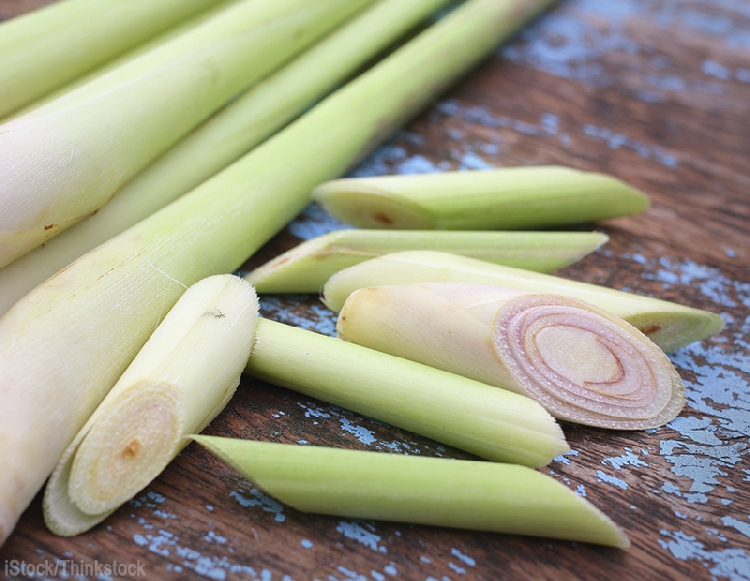
A VERSATILE herb, lemon grass is prized in the kitchen and known for its medicinal properties. This plant gets its name and unique flavour from citral, the same chemical compound that gives lemon peels their invigorating scent.
Sometimes mistakenly called citronella grass, Cymbopogon citratus lends its flavour to ethnic dishes, teas and more.
The Master Gardener Programme at the University of Wisconsin Cooperative Extension says that of the 55 species in the genus Cymbopogon, West Indian lemo grass (C citratus) is what’s typically used for cooking. This variety can help repel insects, yet is also used to attract honeybees by mimicking the bees’ own pheromones. Other known uses for lemon grass include:
antifungal
natural diuretic
anti-parasitical
anti-diarrheal
anti-microbial
anti-bacterial
calm the stomach
break down fats
stimulate perspiration
treats colds
balance the nervous system
help with stress and exhaustion,
soothe headaches and muscle pain
increase circulation
help with respiratory conditions, sore throats and high cholesterol
Lemon grass can handle intense heat as long as you don’t let its roots dry out. If given well-drained, rich soil, one clump of lemon grass can easily grow into a mound 3-plus feet tall and 6 feet wide, so choose your location well.
Propagation is easy–if the lemon grass you buy from your grocery produce section contains the entire base, take a few sections before you’ve peeled them, place in a glass of water, and set it in a sunny location.Before too long, you’ll see little roots begin to sprout. When they’ve reached an inch or more in length, transplant into a pot or the sunny garden spot, water regularly and enjoy.
The first time I cooked with lemon grass, I neglected to research exactly what part to harvest. I just grabbed my kitchen shears, chopped off a nice handful of the arching leaves, washed them, cut to 1-inch lengths and threw them in my Tom Kha Gai soup. The flavour was incredible. However, the grass didn’t wilt into nice little edible shoots as I expected: It was tougher than celery strings and sharp on the edges.
Since then, I’ve learned that while the stems and leaves are great for infusing flavour into teas and broths, you’ll want to bundle them together so you can take them out later. It is the scallion-like base you’re after if you’re going to be eating lemon grass. When stem bases are at least 1/2 inch thick, you can pull or cut them off the main clump. Peel the outer layer to reveal the white inside part. Slicing is easier if you crush the base with the flat of your knife.
This inner stalk lends an Asian flavour to your stir-fry, and pizazz to salads and sauces, as well. Freeze leftovers in zipper-sealed bags, pre-sliced, or slice when partially thawed. Alternately, purée and use by the teaspoonful, freezing leftovers.
If you’re unable to use all the fresh leaves during the growing season, harvest a bunch to bundle, hang to dry, then store in tightly sealed containers. Dried lemon grass will remain potent for up to a year if not exposed to light. The dried leaves are great for many of the same purposes you’d use the fresh leaves. Alternately, scatter grass stems around your patio, porch or pool to help ward off insects.
www.hobbyfarms.com