






A new study finds that approximately 73% of creativities suffer from symptoms of mental illness worldwide.
For too long, images of suffering creatives whose pain acts as a catalyst for their creativity have overlooked a very real need for support and community building.
October is World Mental Health Month, which is aimed at raising awareness on reducing stress and burnout.
Namibia’s creatives joined the rest of the world in bringing awareness to this year’s theme: ‘Make mental health and well-being for all a global priority’.
The Weekender spoke to a few local creatives about mental health and self-care…
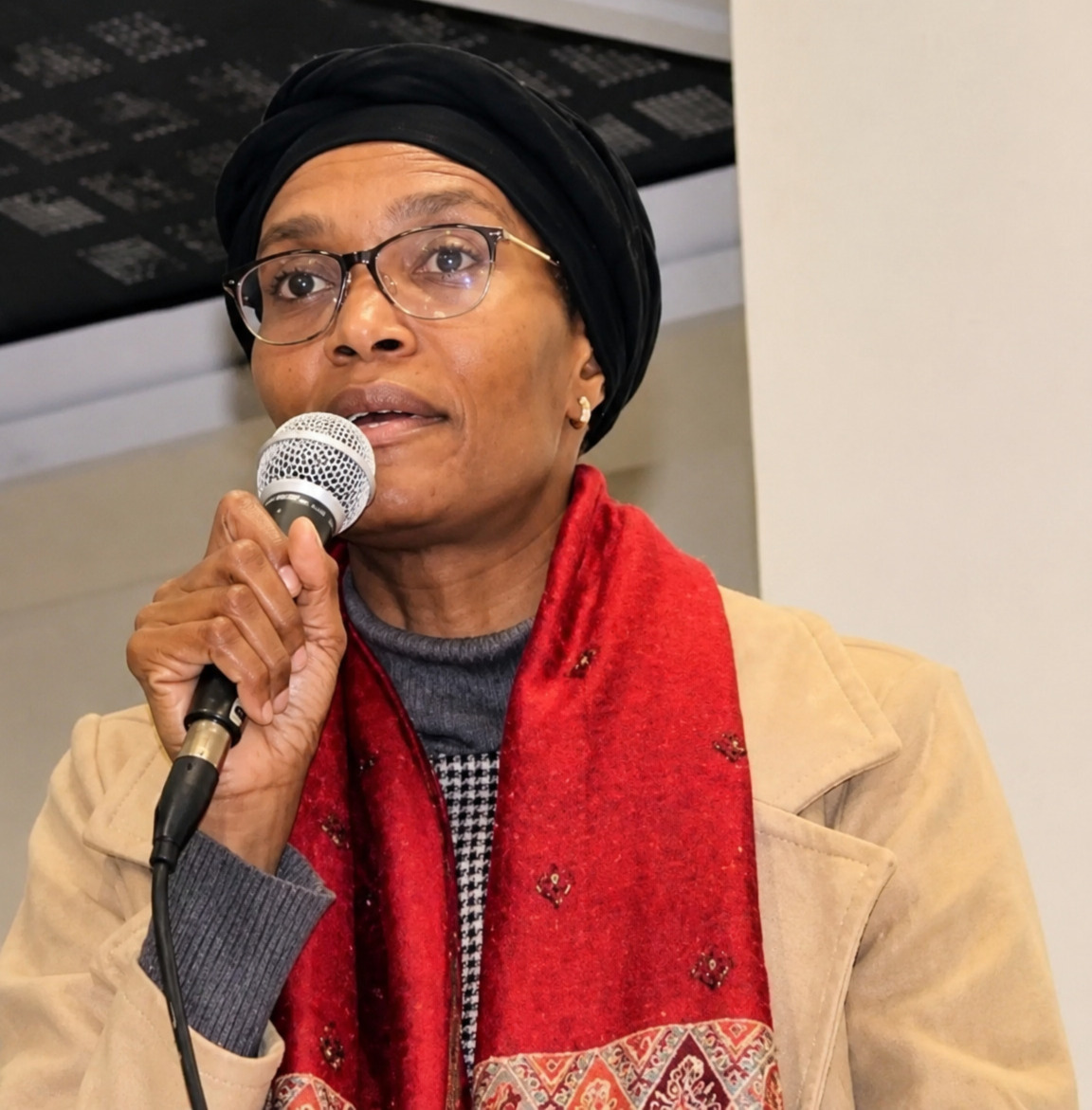
Podcaster, fashion designer and mental health advocate Christ Lao says those working in artistic and creative environments may be more susceptible to mental health problems because they are more empathetic and likely to be in touch with their feelings.
“They may be more naturally drawn to creative roles,” says Lao.
“Artistic roles involve meeting tough deadlines, working long and often unsociable hours, and for freelancers in particular, uncertainty around where the next job is coming from,” says Lao.
The creative industry is high-pressured, which is why it’s important to open up and speak out on their experiences and the effect on their careers.
In order for creatives to avoid depression and anxiety, they need to kill the stigma surrounding mental health and seeking therapy.
“You don’t deal with mental health, you seek help. Almost everything we own is insured, from cars, houses and furniture, but not ourselves. Why not invest in our health first?”
Lao says vocalising concerns and anxieties is the first step to better mental health.
“For freelance creatives, feeling isolated is a major barrier to talking about mental health problems.”
She says creatives should attend networking events to share ideas and their struggles and anxieties.
“If you are struggling with your mental health, don’t be afraid to ask for advice or resources. Other people will undoubtedly be in the same boat, and will be able to signpost you to websites or support networks that have helped them,” Lao says.
One needs to be patient when dealing with mental health issues as it is a process, she says.
“Healing takes time. It’s also helpful to practise active listening when someone else is discussing an important or personal topic. We as creatives should normalise speaking up, we must avoid bottling things up as it does more damage,” she says.
Plus-size model and nurse Mareli Snyman says research confirms that creatives often struggle more with mental health issues.
“People are anxious because of their creativity and not wanting to be seen as different, or are they creative because they are trying to cope with their mental health issues?”
She says mental health is one of the most important things in life.
“For us in this space are generally experiencing anxiety regarding our performance and wanting to be good enough, and be liked,” she says.
Although everyone deals with mental health challenges differently, being creative is a coping mechanism for many.
“We must accept that we are different in a great way,” she says, adding that those living with mental health challenges should never apologise for who they are.
“Remember where your strength comes from and in whom your identity lies.”
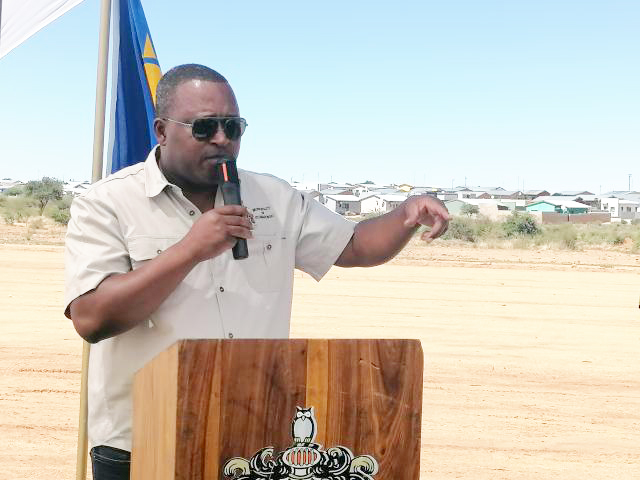
Recording artist, songwriter, and singer Shotgun says creatives are not spared mental health challenges.
When creatives’ projects are not well received by fans and investors, they believe people don’t appreciate them and they are not loved.
“Coming into the industry for the wrong reasons, high expectations of fame and clout can lead to depression if not achieved,” says Shotgun.
This can lead to suicidal thoughts and substance abuse, he adds.