



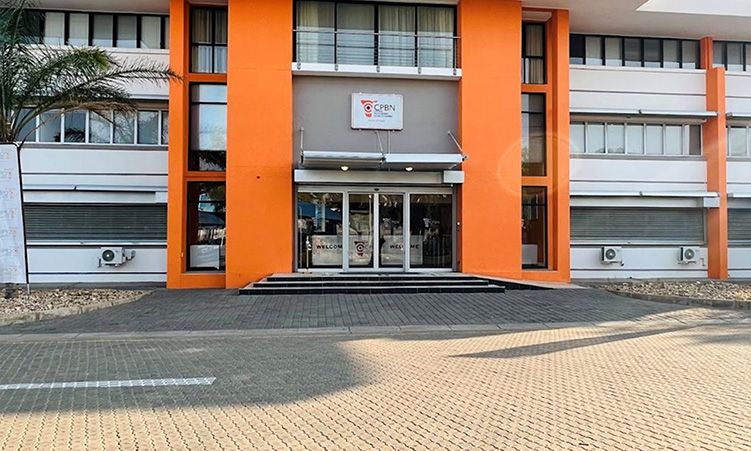
A number of contracts awarded by the Central Procurement Board of Namibia (CPBN) are facing delays, with some running behind schedule by more than four years.
Speaking at a recent CPBN engagement with contractors, CPBN board member Julinda !Garus-Das said an evaluation of various public works has revealed a minimum delay of 45 days and a maximum of 1 528 days on contracts.
The delays affect infrastructure projects, including several schools, a healthcare centre and water infrastructure.
Among the schools affected are the new primary schools at Mix Settlement, Brakwater and Otjomuise in the Khomas region.
Also behind schedule are Onkumbula Combined School and Oshikunde Combined School, the construction of a hostel for Pendukeni Iivula Ithana Secondary School and renovations to Tubusis Primary School.
!Garus-Das said the board has awarded 36 contracts in the goods category, 63 in works and 80 in services.
“The total value of the running contracts is N$7.5 billion across the whole country with Khomas having the most projects valued at N$1.7 billion and the Kunene region having the least with N$57 million,” said !Garus-Das.
Of the 179 active awarded contracts, 64% (115) are on schedule, 16 are behind schedule, 17 commenced three months ago, eight have been completed, 20 still have to be evaluated and progress determined, while three are on hold due to legal issues.
According to officials, a primary cause is the delayed payment of invoices to contractors by public entities, which creates severe cash flow constraints for the companies involved.
Additionally, contractors experience unavailability of necessary products and issues related to workforce management, including non-compliance with labour laws and contractual requirements for wages and personal protective equipment.
There have also been issues with a lack of capacity and experience among some contractors.
According to !Garus-Das, despite the challenges, none of the sites have been completely abandoned.
“The success story is that no sites have been abandoned and four projects have been successfully delivered,” said !Garus-Das.
These include the Nkurenkuru Vocational Training Centre, Swakopmund Primary School, the first phase of the Omahenene Olushandja Canal and the Kunene Omatando Substation.
Immanuel Kadhila, another board member, says the procurement process is actively working to empower local Namibian businesses.
According to Kadhila, regulations are designed to reserve opportunities for local entities in key categories such as goods, works and services.
“Supplier requirements include a minimum of 51% Namibian ownership, the use of local raw materials, and the mandatory employment of regional unskilled and semi-skilled labour.
To lower entry costs, expensive equipment ownership is not required, and post-qualification working capital support is allowed,” says Kadhila.
The total value of contracts awarded to fully owned Namibian businesses was N$4.4 billion. Companies with 51% local ownership was N$763 million and international companies were awarded contracts to the value of N$2.3 billion.
In an age of information overload, Sunrise is The Namibian’s morning briefing, delivered at 6h00 from Monday to Friday. It offers a curated rundown of the most important stories from the past 24 hours – occasionally with a light, witty touch. It’s an essential way to stay informed. Subscribe and join our newsletter community.

The Namibian uses AI tools to assist with improved quality, accuracy and efficiency, while maintaining editorial oversight and journalistic integrity.
Stay informed with The Namibian – your source for credible journalism. Get in-depth reporting and opinions for
only N$85 a month. Invest in journalism, invest in democracy –
Subscribe Now!