Bible studies, prayer sessions and soup kitchen all allowed
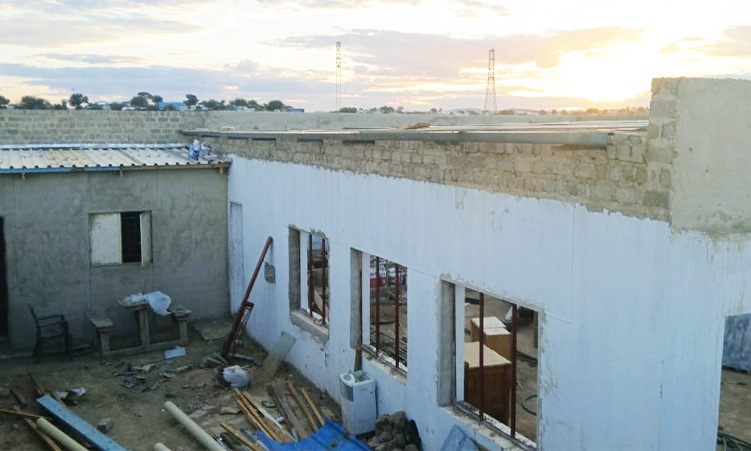
The City of Windhoek has agreed to stop the planned demolition of an unapproved N$500 000 Havana home, following successful negotiations with the family who owns it.
The family of 15 had invested half a million dollars into building the house at Max Mutongolume informal settlement, which the Windhoek municipality wanted to demolish in March.
Ruben Samuel (46), a Havana resident and the owner of the structure, says he and his family have lived in the area for 18 years.
He believed he was allowed to build on the land after it was demarcated, he says.
“The City of Windhoek can confirm that the matter concerning the structure at Havana informal settlement has been addressed through engagement between the city and the owner of the structure,” municipality spokesperson Lydia Amutenya said on Monday.
Following the city issuing compliance directives, Samuel formally approached the city requesting certain conditions to be relaxed and provided reasons for the request, she said.
The family of 15 has commended the city for considering its appeal. One of Samuel’s nephews, Johannes Ndjulume (30), says the family includes nine schoolgoing children.
The family has since called on the city to review the house for possible regularisation.
Ndjulume says the family received good news from the city on 13 May regarding terms and conditions.
“The conditions are not harsh and are protecting the city’s laws and regulations. We thank God for this,” he says.
Affirmative Repositioning Khomas regional chairperson Sem David describes the agreement with the city as a milestone.
“I have engaged with the family and they are very happy and appreciate the city leadership taking them into consideration,” he says.
David however, calls on the city to accelerate land ownership after demarcation and an environmental impact assessment is done to improve informal settlement conditions.
Meanwhile, Amutenya says the City has revised some of the conditions to accommodate the family’s request, subject to strict compliance measures.
She says part of the agreement reached with the owner through a sworn affidavit is that the structure will primarily be used for residential purposes, while limited charitable activities such as Bible studies, prayer sessions and soup kitchen activities may take place.
The structure is not yet fully completed and therefore no activities other than the completion of city-approved works may take place until the building is fit for occupation.
The team will conduct weekly or bi-weekly inspections to ensure full compliance, Amutenya says.