



LUWEERO – Kanani and Sylvia, brother and sister aged nine and eight, were grazing the family cattle in rural Uganda when they were approached by a man they vaguely knew.
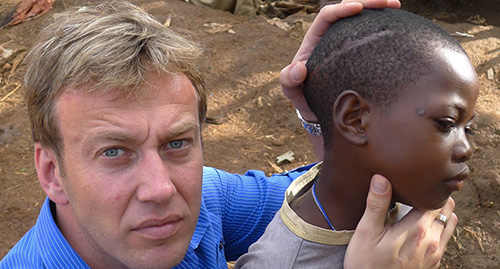
Sperito Bisekwa was angry. He accused the children of allowing their cows to eat his fodder and dragged them into a nearby forest. He attacked Kanani first. When the boy awoke he had a machete wound on his neck and his sister lay dead beside him.
“He grabbed me, strangled me and cut the back of my neck. When I came to, I realised my sister had been cut everywhere and she was dead,” said Kanani.
Sylvia’s young body had been gruesomely mutilated, her heart and clitoris cut out with a knife and taken for use in a witchdoctor’s ritual, according to police.
Child sacrifice is a disturbing and widespread phenomenon in Uganda, serious enough that the government has established a special task force.
Activists say child sacrifice is not about tradition, but greed as people seek a quick route to wealth or power and with elections due in 2016 they worry killings are set to increase.
Child sacrifice is “expected to rise”, said Moses Binoga, head of Uganda’s Anti-Human Sacrifice and Trafficking Task Force.
“Now we are going into elections, you will find that there are so many Ugandans, even high profile people, going to witch doctors’ shrines,” said Binoga. “Some of them will be so desperate that if they’re told to win a seat as an MP ‘You must sacrifice a child’, they’ll do it.”
Binoga said there have been five reported cases of child sacrifice so far this year and nine last year, although those numbers are disputed with activists saying the actual figures are higher.
A sharp rise in reported cases of child sacrifice in 2009 spurred the setting up of Kyampisi Childcare Ministries (KCM), a charity that works with survivors and victims’ families.
Child protection officer Shelin Kasozi said the charity receives a few cases every month, stressing that the ritual murders “cut across all Ugandan society”.
“The rich believe, ‘If I sacrifice then my business will prosper’,” she said. “The poor believe if they sacrifice a child they’ll get rich.” Kasozi pointed to the case of “very, very rich” Kampala businessman Godfrey Kato Kajubi who received a life sentence in 2012 for the ritual murder of a 12-year old boy who was beheaded and his genitals cut off.
Cases of children disappearing as they walk between school and home, or while fetching water from communal wells, can be found across Uganda.
– Nampa-AFP
In an age of information overload, Sunrise is The Namibian’s morning briefing, delivered at 6h00 from Monday to Friday. It offers a curated rundown of the most important stories from the past 24 hours – occasionally with a light, witty touch. It’s an essential way to stay informed. Subscribe and join our newsletter community.

The Namibian uses AI tools to assist with improved quality, accuracy and efficiency, while maintaining editorial oversight and journalistic integrity.
Stay informed with The Namibian – your source for credible journalism. Get in-depth reporting and opinions for
only N$85 a month. Invest in journalism, invest in democracy –
Subscribe Now!