







Limited access to screening and treatment is causing many cancer cases in northern Namibia to go undiagnosed and untreated.
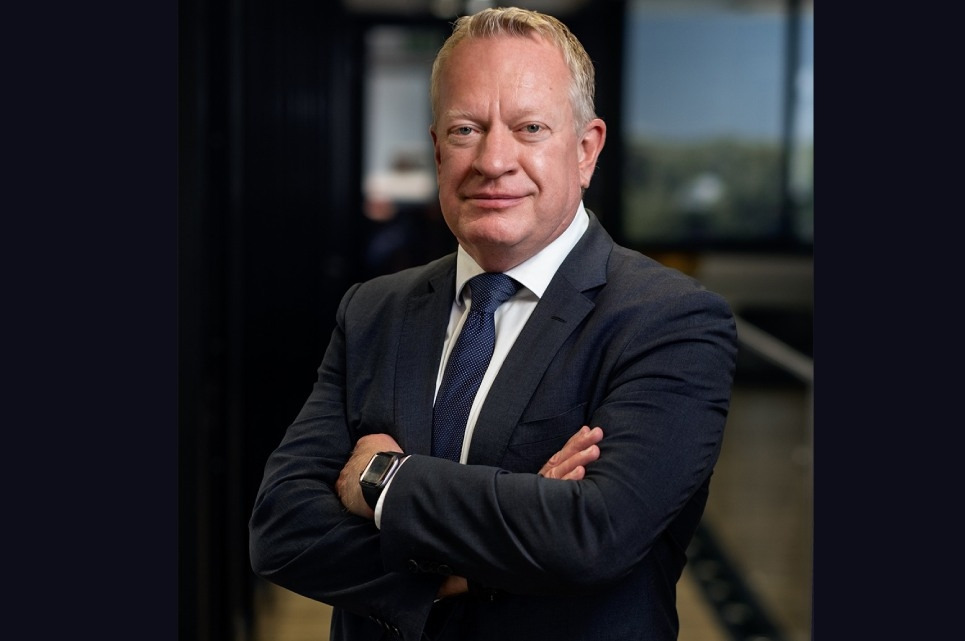
This is according to Marthinus Liebenberg of the Ongwediva-based Knickelback Sub-Acute and Chemo Centre.
“While exact northern incidence rates are scarce, the cancer burden is significant and likely underestimated due to HIV co-infections, limited healthcare access, and environmental risks,” he says.
Liebenberg says the northern regions are likely to have a disproportionate burden due to limited screening, diagnosis and treatment, leading to a later-stage diagnosis and higher mortality rate.
He attributes increasing cancer cases to dietary habits, as well as occupational exposure to the sun during farming.
“Cervical cancer, Kaposi’s sarcoma, and oesophageal cancer are particularly prevalent. Cancer screening and regional registry data are critical for addressing this burden,” he says.
Liebenberg says the most common cancers in Namibia, based on national data and regional studies, are cervical, breast and prostate cancer.
This is followed by oesophageal and liver cancer.
Knickelback operational manager Thomas Angula advises people to get screened for cancer to detect the disease early.
“It is really difficult for patients to understand and accept it when they are given the news of the illness.
The only way to help the community, those affected and not affected, is information so people would know to go for regular check- ups,” he says.
Ongwediva Oncology Centre oncologist Petrus Nekomba expresses the need for public awareness of and information on cancer screening.
“Cancer in the rural northern region is quite a challenging situation because of a lack of awareness among the public and health professionals. Policymakers should make screening programmes available to the public,” he says.
Nekomba says although the Onandjokwe State Hospital in the Oshikoto region screens for breast cancer, it is not enough.
“A nationwide cancer screening and awareness programme should be in place. People don’t know how to go about it, and unfortunately, in our northern settings, people believe in witchcraft and traditional healing.
“Before going to the hospital, when they are sick, they start there, and the cancer advances beyond what can be treated medically. People are often not aware of what signs to look out for, and when to seek treatment,” he says.
The Namibian Oncology Centre and Medical Imaging two weeks ago announced the construction of two healthcare centres worth N$150 million at Ongwediva to improve access to cancer treatment and medical scans for northern residents.
The two centres are expected to become operational by August 2026 and are expected to help up to 100 patients a day.
The centres will offer various services and scans.