






The race towards a greener future is on.
Countries are setting net-zero targets, climate finance is directing billions into renewable energy, and international climate agreements are putting pressure on countries to reduce their carbon footprints.
The central question that remains unanswered is whether developing countries can afford the costs of a just transition.
No country became rich without reliable and affordable energy.
Europe, North America and several Middle Eastern nations built their economies on coal, oil and natural gas.
Those resources fuelled industries, expanded transport networks, created jobs and transformed economies.
Now developing countries are encouraged to go a different route.
Renewable energy is important, but to expect poorer countries to abandon fossil fuels before they can industrialise is to ignore history.
Namibia is on the verge of its defining moment.
If a final investment decision is made in 2027, the country’s first oil will be available to international markets from 2030.
Namibian oil could enter the petroleum industry at a time when global pressure to reduce fossil fuel production is stronger than ever.
Oil is not just another export for Namibia.
It is an opportunity to finance its economic prosperity.
The climate crisis didn’t start yesterday.
It is a consequence of more than a century of emissions that were largely produced while developed countries were industrialising.
At the time fossil fuels were seen as the engine of economic progress and not an environmental threat.
Those countries were able to exploit their natural resources with little opposition.
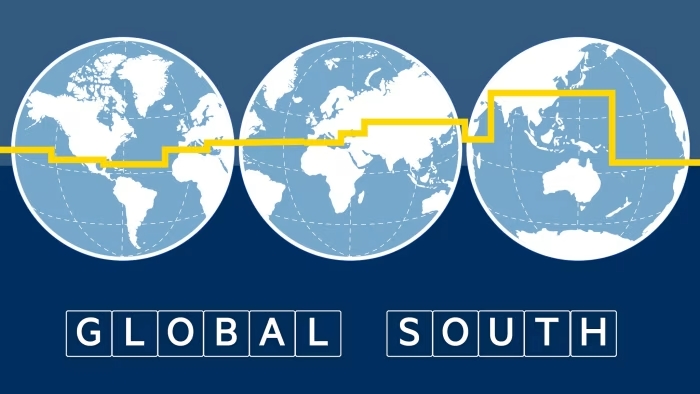
The wealth, industries and infrastructure they built during that era still make up the bedrock of their prosperity today, while countries in the Global South are still trying to replicate the same.
Renewable energy is certainly the future.
However, modern electricity grids, battery storage and billions of dollars in investment are needed to make solar and wind power a reality.
Achieving universal global electricity access by 2030 alone requires an average annual investment of US$30 billion.
Many developing countries simply lack the financial resources to transition at the pace expected by the international community.
Without sufficient funding, technology transfer and policy flexibility, the Global South risks facing energy poverty and slower industrial growth undermining the very development goals that climate action seeks to protect.
Last year, renewables overtook coal as the world’s largest source of electricity generation.
This should be celebrated.
But it should not be a reason to deny developing countries the chance to use their fossil fuels to help finance their development needs.
Namibia doesn’t have to choose between oil and renewables; it should prioritise both.
Oil revenues can fund renewable energy projects, strengthen electricity infrastructure and support industrialisation.
The world needs climate action, but it also needs climate justice.
The process’ failure to meet the development needs of the Global South risks deepening global inequality rather than eliminating it.
– Edward Shati