Nopal Renewable Energy is urging local companies to embrace its cactus farm project in southern Namibia, which aims to revolutionise the country’s renewable energy sector.
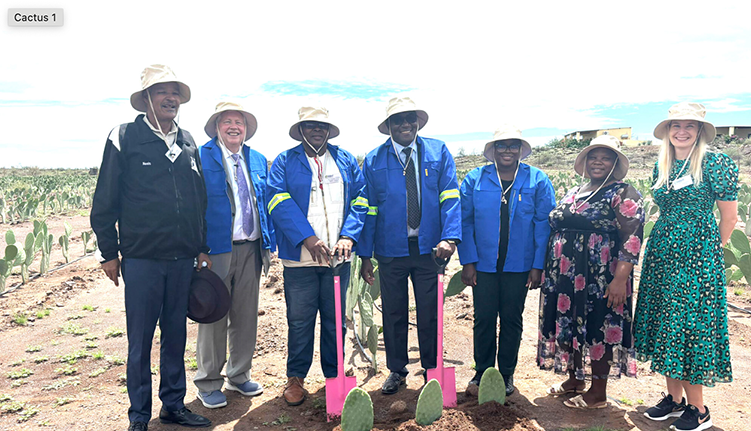
A groundbreaking ceremony took place at Maltahöhe last week for 500 hectares (ha) of farmland, with only one offtaker.
Stephen McNeil, the Canadian managing partner of the project, said this is the first cactus farm project the company is embarking on in Africa.
“People want to see the project work first before investing, however, we have one offtaker with a gas company,” he said.
McNeil said potential offtakers could be NamPower, as the cacti could be used as a source of renewable energy, thereby feeding into the country’s electricity market.
“Fossil fuels are not going to disappear, but this project will be a cleaner addition to all the other energy sources available in Namibia, including the green hydrogen industry and the discovered oil,” he said.
The primary goal is to produce bioenergy, including renewable electricity, renewable liquefied natural gas, renewable methane, and renewable carbon dioxide.
McNeil said the farm will also generate carbon removal certificates for global sale as virtual exports from Namibia, and lower the country’s carbon footprint.
Offtaking involves an agreement between a producer and a buyer to buy or sell portions of the producer’s future goods.
In Mexico, energy company Nopalimex built the world’s first plant to produce biogas from nopal (prickly pear).
The biogas produced by the plant has powered vehicles and agricultural machinery since 2016.
Over the next three years, Nopal plans to invest N$1.8 billion.
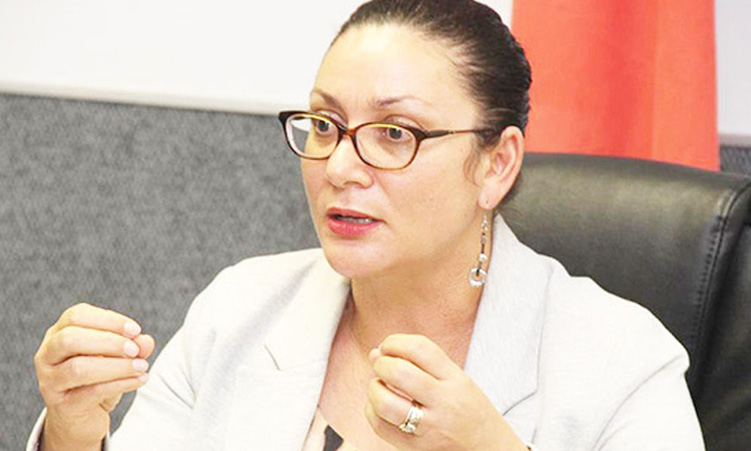
Country partner of the project Nicole Maske says the company is, also considering collaborating with mining companies, which consume a lot of electricity.
“We want to work with NamPower to see where we may have this base load power in the grid, and mining companies who may need energy for their processing,” she says.
Nopal imports cacti from Portugal and started with a pilot site plantation last year, which was successful, Maske says.
“We will be planting on 500ha of land in the first phase, however, the plan is to expand across the country for a total of 17 500ha,” she says.
The first phase of the project will cost N$66 million.
Maske says the plant is suited to Namibia’s climate as it does not require much water.
Speaking at the launch of the project, president-elect Netumbo Nandi-Ndaitwah said the project would help Namibia become an energy independent country.
“With Nopal-derived biogas, we are unlocking a renewable energy source that will provide stable and sustainable baseload electricity, thereby reducing our reliance on fossil fuels, enhancing our energy security and positioning Namibia as a leader in the global clean energy revolution,” she says.
Currently Namibia imports around 60% of its electricity, primarily from South Africa’s Eskom power utility through the Southern African Power Pool.
The project will create 75 employment opportunities and also empower local entrepreneurs using the cactus by-products.
– email: shania@namibian.com.na
In an age of information overload, Sunrise is The Namibian’s morning briefing, delivered at 6h00 from Monday to Friday. It offers a curated rundown of the most important stories from the past 24 hours – occasionally with a light, witty touch. It’s an essential way to stay informed. Subscribe and join our newsletter community.

The Namibian uses AI tools to assist with improved quality, accuracy and efficiency, while maintaining editorial oversight and journalistic integrity.
Stay informed with The Namibian – your source for credible journalism. Get in-depth reporting and opinions for
only N$85 a month. Invest in journalism, invest in democracy –
Subscribe Now!