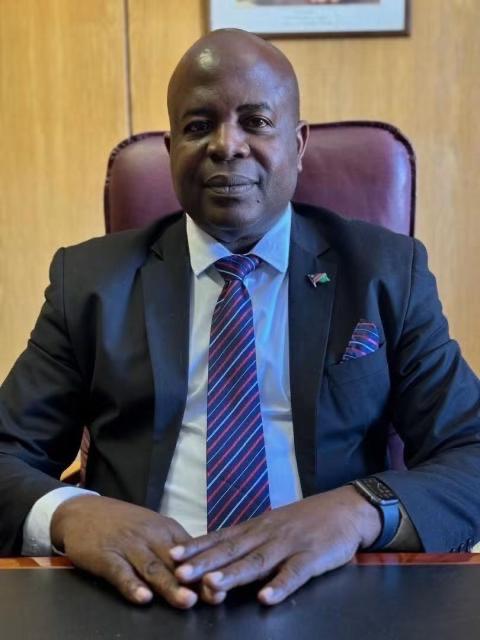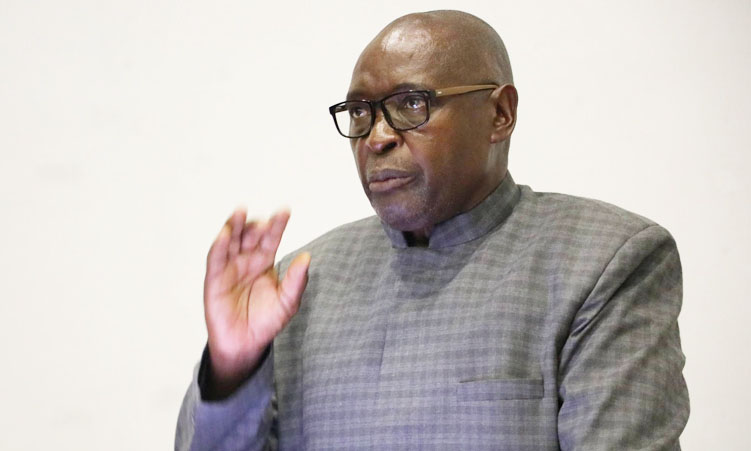
Minister of urban and rural development James Sankwasa has warned that the era of ‘business as usual’ in rural development is over, cautioning regional councils to improve project implementation and ensure public resources deliver measurable benefits for communities.
The message was delivered on his behalf by deputy minister of urban and rural development Evelyn !Nawases-Taeyele during the opening of the 2026 Annual Rural Development Progress Review and Planning Workshop at Swakopmund yesterday.
Sankwasa expressed concern over incomplete projects, unspent development funds and idle rural development centres, describing them as missed opportunities that undermine public confidence in the government.
“The days of business as usual have come to an end. Going forward, performance matters, so resources should increasingly be directed towards regional councils that demonstrate sound planning, innovation and effective implementation,” he said.
Infrastructure projects, including schools, community facilities and water schemes, must be durable and deliver lasting benefits, he added, while calling on public servants to uphold integrity, accountability and transparency in the execution of their duties.
“Regional councils have a responsibility to ensure development projects are completed on time and that funds allocated for rural development are fully used to improve the lives of Namibians,” he said.
Sankwasa highlighted the ministry’s allocation of N$10 million for food-for-work and cash-for-work initiatives during the current financial year, saying the programme aims to provide temporary income support and strengthen resilience among vulnerable households.
He said the workshop comes at a critical time as the government reviews the national rural development policy and strategy, providing an opportunity for stakeholders to exchange ideas, share best practices and recommend measures to strengthen rural development programmes.
The workshop should not merely review progress, but should challenge participants to identify practical solutions that improve service delivery and address the needs of communities, Sankwasa said.
He said the 2023 Population and Housing Census found that 50.5% of Namibia’s population live in rural areas.
The week-long workshop provides the government with an opportunity to ensure rural development programmes remain effective in creating employment and income opportunities, improving food security, reducing rural poverty and improving access to basic services and infrastructure, he said. – Nampa