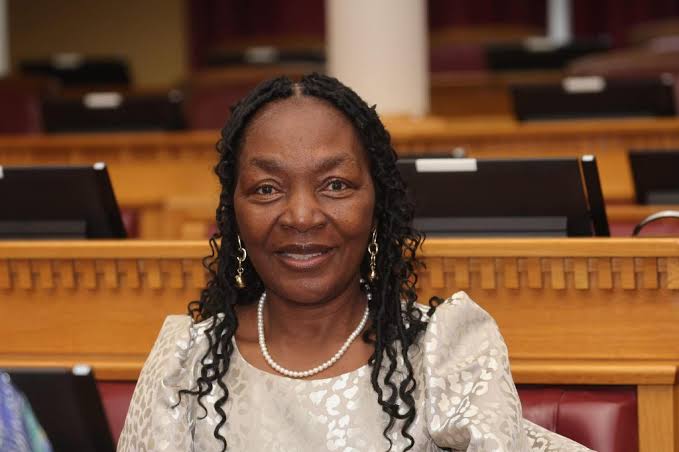
Finance minister Ericah Shafudah has said implementing the budget is the most “problematic” phase of the budget cycle.
Speaking to civil society yesterday ahead of next week’s mid-year budget review, Shafudah said the national budget is the most important instrument for the government to improve Namibians’ lives.
However, she said allocating money to various plans is always easier than executing those plans.
“The problematic stage is when we go to implementation.
[Civil society can] support us by reminding us: ‘this is the commitment you have made to the public’. How far have you progressed with the promises you have made to the public?” the minister said.
The Ministry of Finance and the National Planning Commission held hearings to learn what progress government agencies have made, with the results set to be made public next week.
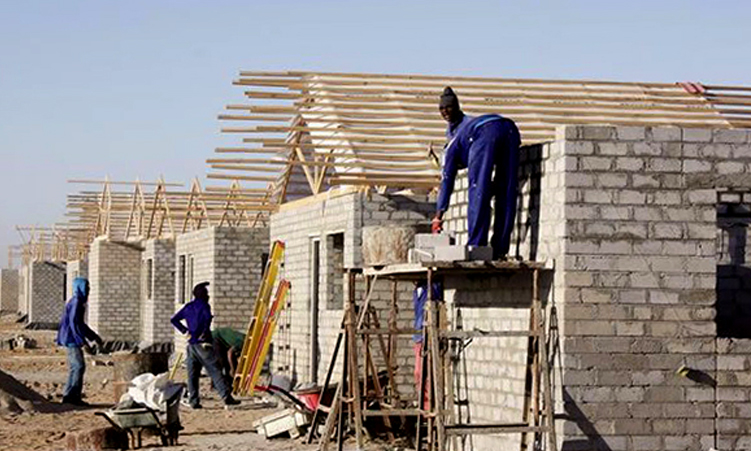
“Infrastructure is the one I want to dwell on.
[Around] N$8.5 billion was meant for the development budget – N$6.5 billion from the government, the rest through loans and other sectors – but how far have ministries and agencies progressed? If the execution rate is not at least 50%, what’s the problem?” she said.
According to Shafudah, reviews by civil society, parliament and the auditor general asses whether government spending has had the desired impact.
For example, the 2025/26 budget for the first time provided funds to make tertiary education free for all Namibians.
“We have to follow the outcome of this intervention. The students that are being supported, how are they performing? Have they chosen fields that are in demand? We don’t just want to supply [with no demand in the job market], because then graduates will not have a future,” she said.
She said her budget has been called a “social budget” because of its heavy focus on social spending, including N$7.4 billion allocated to grants. She said her ministry would welcome assessments of the impact of those grants.
Yesterday’s event was co-organised by Civic +264 and the Institute for Public Policy Research (IPPR).
IPPR research associate Martha Nangolo presented the results of the open budget survey for Namibia, which showed that the country still has work to do to improve transparency of the budget process.
“Consultation exists, but the missing piece is influence and feedback. It’s supposed to be a dialogue between the ministry and the public,” Nangolo said.
The finance ministry visits regions to consult on the budget and prepares a citizen’s budget intended to explain the budget in simple terms.
However, the survey results show that many marginalised groups still do not have a voice in consultation.
Additionally, even though consultation exists, the ministry does not follow up on recommendations to explain what was adapted, changed and why.
“Namibia continues to fall short of international standards for budget transparency, public participation and oversight,” the IPPR said yesterday.