






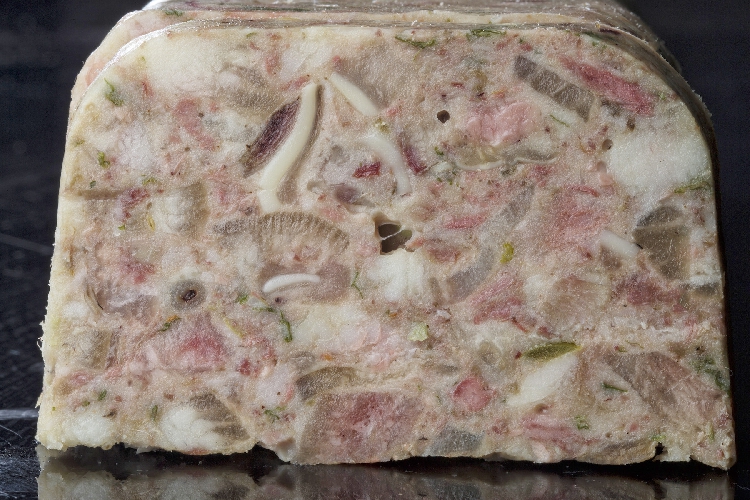
Another hunting season is over. Thousands of God’s beautiful creatures have died and have been processed and prepared for consumption.
No doubt a fair bit of meat has been processed as biltong and droëwors. Two dried and delicious little morsels ready for consumption long after the hunting season is gone.
Initially meats were brined and cured to preserve their shelf life. Then we discovered that these preservation methods are also very effective ways to add and enhance flavour to our meat.
Why else would we eat biltong all year round?
These days, with modern refrigeration, we cure and brine almost exclusively for flavour. Preservation is, for most people anyway, a thing of the past. A quick trip to the supermarket takes care of most of our immediate food needs these days.
But what is brining and curing and how are the two related, if at all? Furthermore, why should we brine or cure if we have modern ways to preserve our meats?
Let us start at the beginning. Curing is a range of processes used to preserve and flavour food (especially meat). Adding a combination of salt, sugar and nitrate or nitrite to food with the aim of inhibiting the growth of bacteria that causes spoiling and enhances long-term preservation.
Brining is a specific method of curing. At its most basic level, making brine is as simple as adding and dissolving a dry cure mix to water. Herbs and spices could also be added as flavourings.
Foods are treated with a salt-water solution either by submerging the meat or by injecting it. The brining process increases the amount of moisture in the meat’s tissue cells by means of osmosis whereby it first draws moisture out of the meat and then drawing the flavoured moisture back in.
Brining is a wet-cure but curing can also be done with a dry-cure that is applied as a rub to the product. In this case, the cure mix will draw moisture from the meat, which will aid with the preservation of the meat or fish. Unlike with brining, dry-curing will not draw moisture back into the meat. Therefore curing is done primarily for preservation and brining to enhance moisture and flavour.
Brining is also called pickling especially when applied to vegetables and other non-meat products such as cucumbers, radishes, olives and artichokes, for example. Cured meats include such popular items such as bacon, salami, hams (prosciutto, coppa, black forest ham), pastrami and also biltong.
Curing is often combined with air-drying (in the case of biltong and cured hams for example) and smoking (some salamis, kassler chops and bacon, for example) in the preparation of the final product.
Salt is key to the brining and curing process. It is usually added in two forms: ordinary salt (sodium chloride) and curing salts (sodium chloride plus sodium nitrate or sodium nitrite). Saltpeter (sodium nitrate) is a naturally occurring mineral that has been used to cure meat for at least a thousand years. Nitrate preserves meat by prohibiting the growth of spoilage bacteria (especially botulinum) and preventing fats from going rancid. More recently it was discovered that the actual preserving of the meat is caused by nitrites and not nitrates. These days’ nitrates are used only when long term curing is required as is the case with dry salamis, dry coppa, and dry sopressata. Nitrites occur naturally in plant foods such as celery, beets, carrots, spinach and lettuce. Curing salts are commercially sold dyed pink (so-called pink salt, or pink curing salt) to help cooks distinguish between curing and ordinary salt. Curing salt in large quantities can be dangerous and even deadly.
Curing salts are often differentiated by a numerical classification #1 or #2.
Curing salt #1 or pink curing salt is a fast cure that contains sodium nitrite. It is only used in products that you will cook before eating such as corned beef and bacon. Never substitute pink curing salt for any other type of salt.
Curing salt #2 is a slow cure that contains sodium nitrate in addition to sodium nitrite. It may or may not be pink. Cure #2 is used only for making raw-cured products that are dry-aged for long periods and will not be smoked, canned, cooked, or refrigerated. Cure #2 is not interchangeable with curing salt #1. Never use cure #2 in brine or substitute it for any other type of salt.
To make sure your meats are cured safely the following are common rules to adhere to.
1) Always make sure your salt to meat ratio is 3%. Weigh the meat and include a volume of salt that is 3% of the meat’s weight. That is three grams of salt per 100 grams of meat.
2) When working on a slow curing product use a slow acting curing salt in a ratio of 0.25% of curing salt to the weight of the meat. Thus, 1 000 grams of meat would require 2,5 grams of pink curing salt.
3) Always dry-cure meat until it has lost between 35 and 40% of its original weight.
If you are new to brining, the following tips may also be useful.
1) Use only noncorrosive containers and weights such as plastic, glass, stainless or pickling crocks.
2) Prepare enough brine to cover the product completely. Given the amount of salt in the brine, products may float so you’d have to weigh them down.
3) Heat half of the quantity of water and dissolve the salt and the sugar completely before adding the remaining liquid. Always chill brine thoroughly before adding the meat, as you do not want your meat to cook in the hot water.
4) Always cure meat in the refrigerator.
5) Turn the brining meat once or twice daily. This helps the meat to cure evenly.
• 1 pig head
• 900 grams mirepoix, (equal amounts of finely chopped carrot, celery and onions)