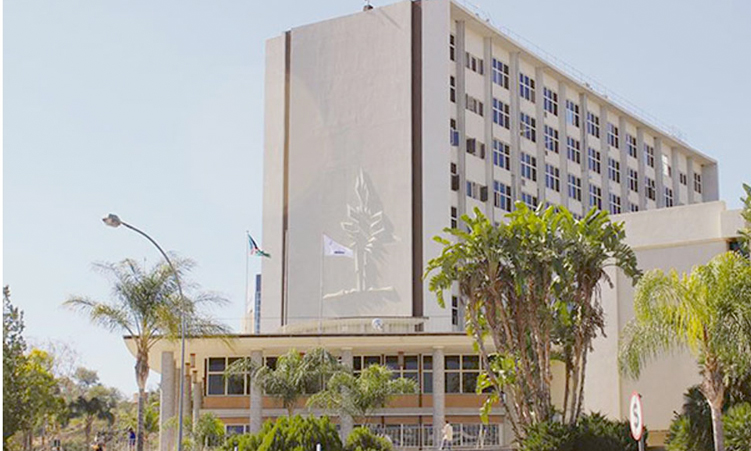







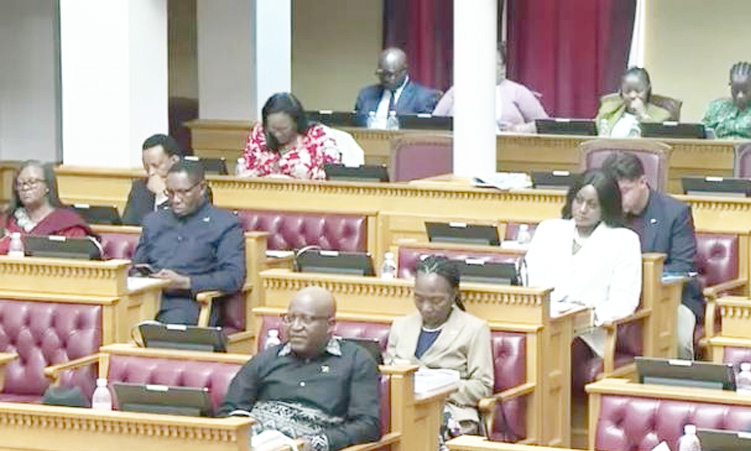
Parliament is at the core of serving the mandate of the Namibian people.
A parliament that debates but does not pass laws is like a tree that does not bear fruit.
Democracy is not only determined by the numbers of questions being posed by members of the parliament (MPs) in the National Assembly, or the higher standard of vocabulary being used, but is measured by bills passed to change the status quo of citizens.
Recently Namibia’s eighth parliament adjourned without a single bill passed amid important laws under discussion, such as the land bill (that has been long overdue) and the mental health bill.
This has sparked concern from members of society over whether MPs are able to fulfil their mandate.
Our MPs spend a lot of time asking questions rather than deliberating the laws waiting to be passed. While some queries are necessary for clarification, others do not appear to be important and are time consuming.
MPs need to understand that they are the representatives of the Namibian people and their inability to pass laws has significant consequences for citizens desperate for an improvement in their daily lives.
The combination of MPs from different political parties should bring cross-pollination of fresh ideas, particularly for important bills like the land bill which seeks to replace colonial laws that have pushed our indigenous people into landlessness.
While laws should never be rushed without thorough scrutiny, our MPs are dutybound to act in the best interests of Namibians.
When legislation becomes inactive it has detrimental impacts on national development, institutions are not strengthened and continue operating under laws that no longer reflect present-day realities.
Most of our young MPs appear to have lost their compass, with blurred participation and a sense of being lectured by veteran MPs, who equally appear to have run out of ideas to solve national problems.
A healthy parliament requires fair and impartial leadership.
Our speaker has been accused of bias at times, and of favouring her party in her rulings.
While this is a matter of opinion, even the perception of bias is damaging. It discourages robust debate and weakens parliament’s credibility.
I urge MPs to go back to the drawing board to prioritise the processing of bills that address urgent national challenges in order to restore public confidence, and to remember that voters are watching their actions and inactions.
– Matheus Hangula