



BEAUTY IS IN the eye of the beholder – admired by one, but not necessarily appealing to others.
Travelling west alongside the Okavango River from Rundu to Nkurenkuru is a sight to behold. A feast for the eyes – not only for one, but for all.
That uniquely beautiful landscape one finds only in this corner of the African continent.
The Okavango River . . . awesome trees of all shapes and sizes, and friendly locals going about their daily chores, unhindered and unrushed.
Here the pace of life is not dictated by money-making or rushing from one meeting to another.
Children play with self-made toys, men gather in groups to most likely discuss topical issues, and smaller groups of old folk possibly reminisce about bygone days.
Sellers of fish and fresh produce ply attractively displayed merchandise on rickety tables.
Here females certainly rule the roost when it comes to entrepreneurship.
Livestock roam about freely for this is their domain. Here animals have right of way; motorists are intruders.
In 2013 Nkurenkuru became the administrative centre of Namibia’s fourteenth region, the Kavango West, but for most the town still does not feature anywhere.
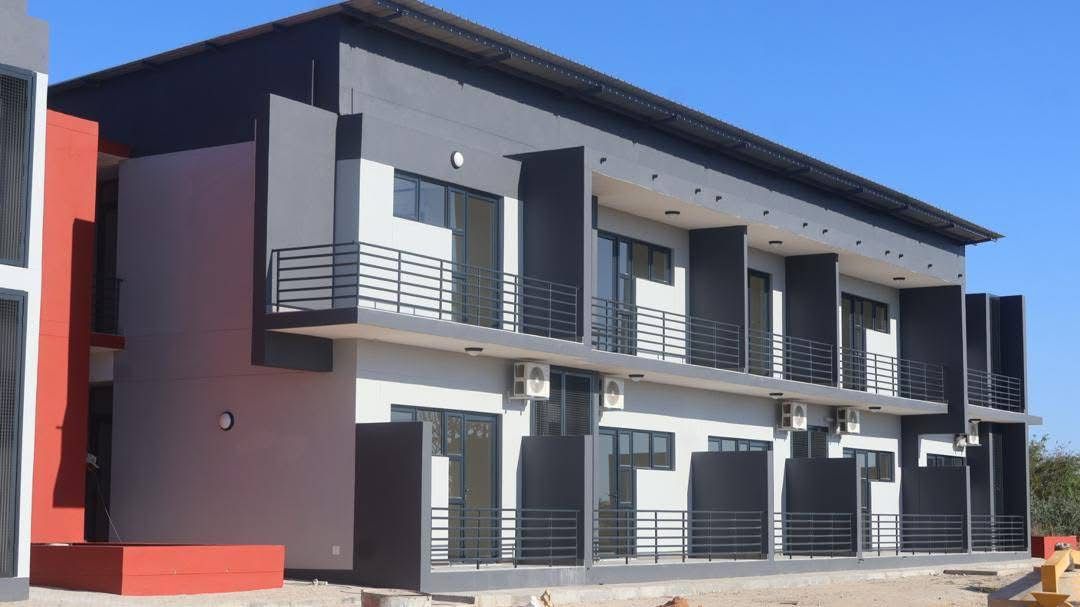
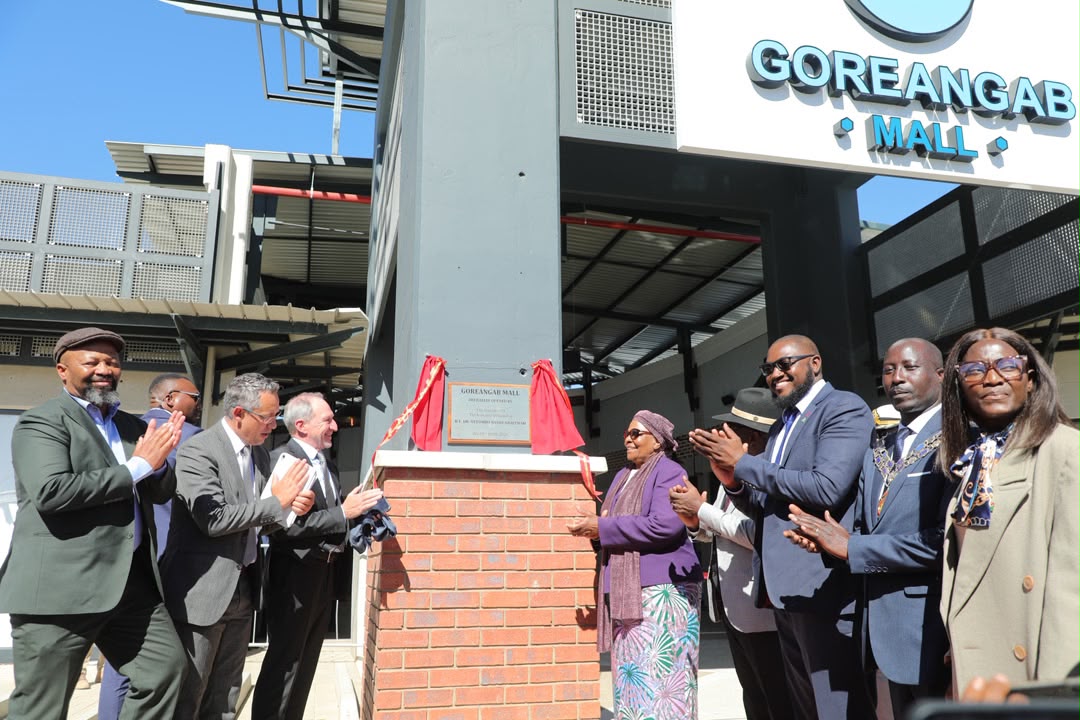
Nkurenkuru and surrounds remain largely undeveloped, yet it is abundantly clear that business opportunities abound in agriculture, construction and allied services, furniture-making, tourism and other sectors.
About 140 km west of Rundu, Nkurenkuru, meaning ‘the old place’ in the Kwangali language, nestles on the banks of the Okavango River. On the opposite side is the Angolan town of Cuangar.
Heard of it but never been there, most will retort asked about the town, as Nkurenkuru is not a tourist destination nor en route to any place of known significance.
Nkurenkuru’s history is intertwined with that of the Kwangali people, part of the five Kavango kingdoms.
Contemporary history reveals that the then colonial powers of Germany and Portugal concluded a bilateral agreement on 30 December 1886, defining the river as the border between Angola and South West Africa – now Namibia.
People living on either side of the river, often members of the same family, had no say in this matter. From that day onwards they were living in two different countries, forced to follow movement restrictions and controls.
Crossing the river with minimal bureaucracy and hindrance may soon become a reality again.
That is when the much-talked-about African Continental Free Trade Agreement (AfCFTA) and other treaties allowing people, goods and capital movement, are no longer debated, but enacted.
A police post since 17 June 1910, Nkurenkuru largely remained insignificant until the Finnish Missionary Society established a mission station on New Year’s Day in 1929.
Although it is the capital of the Kavango West region, with two campuses of private tertiary educational institutions, the town remains underdeveloped.
Interested in exploring business opportunities? Then why not pay Nkurenkuru an ‘LSD’ visit?
In business speak ‘LSD’ means look, see and discover or decide.
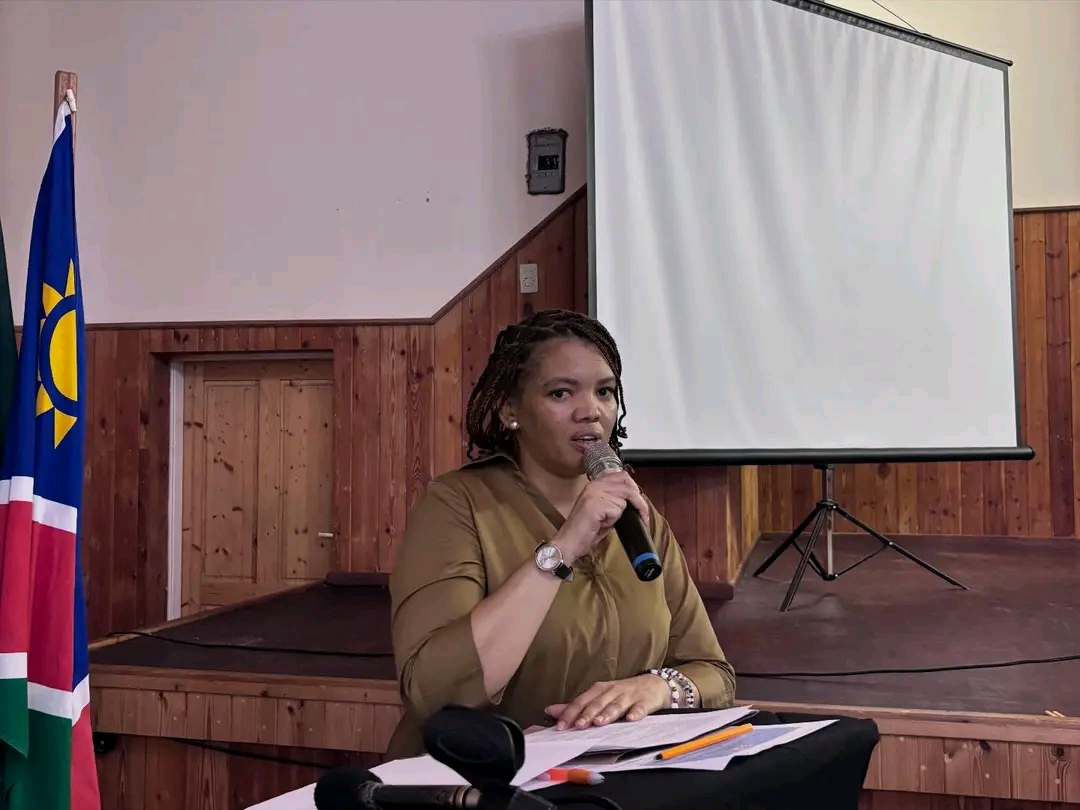
Call Sarah Chinkanda, the helpful local economic development officer of the Nkurenkuru Town Council, in advance.
If not for business, then place that region on your holiday agenda, but do not expect luxury lodges.
Enough said about beauty and business.
As for the beast, well, Nkurenkuru and surrounds, especially along the riverbank, needs a serious clean-up.
It’s high time that beverage bottlers and snack importers sponsor recycling and clean-up projects for local youngsters.
* Danny Meyer is reachable at danny@smecompete.com.