



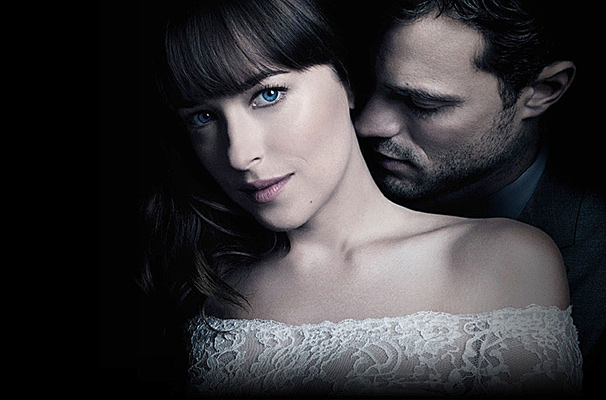
There was a social media storm recently after Epic Cinemas at Ongwediva posted a status on Facebook that they will not screen the movie ‘Fifty Shades Freed’ due to its “sexually explicit content”. The company, who claimed that they are Christian, said that they could “rely on all fellow children of God to support our decision”.
The post was met with both criticism and praise, with some social media users saying that it was a necessary move as it “made God a priority”, while others were furious and felt that they were being policed regarding what they could and couldn’t watch.
A similar incident occurred in South Africa, after the movie ‘Inxeba: The Wound’ was heavily criticised after some cinemas found the movie unsuitable. The film explores culture and sexuality among men when a boy named Xolani is initiated into manhood but has to face various trials and tribulations.
The current rating of the movie stands at 16SNL, however, there are discussions to rate the movie R18. Despite this, some cinemas have also banned ‘Inxeba’, comparing it to pornography. Some people in the Xhosa community were offended by the movie as well and refused to recognise it .
Members of the South African Film and Publication Board (FPB) said that there was no ‘value’ to the film – scientifically, educationally or artistically. The debate still continues. And this points to the following argument: Do movie theatres such as Epic Cinemas have the right to restrict certain movies due to their beliefs, or is it reasonable?
Reader Isdor Kamati felt that it wasn’t really an issue. “Every business has its own preferences in terms of which products and services to offer, regardless of the reason/excuse. No one has the right to dictate over a private establishment. You can be disappointed but there is really nothing you can do about it.” Another reader, Paulus Nanguti, also said it was important to think about the customers first. “I feel like as a business owner, you should cater to your clientele, in as much as sometimes that might go against your personal beliefs. They are basing their decision on them being a Christian/religious cinema/business, yet forgetting that they do not only cater to Christians at the end of the day. So they shouldn’t have cancelled the screening of ‘Fifty Shades’.”
But this practice is not new. In fact, several films have been banned for various reasons. In Nigeria, the movie ‘District 9’ is banned as it’s claimed to be “xenophobic and racist” towards Nigerians. Korea has a whole list of banned movies including ‘2012’ and ‘The Interview’.
In Samoa, ‘Milk’, which is based on the life of Harvey Milk, a gay rights activist and politician, is not allowed to be screened as it was deemed “inappropriate and contradictory to Christian beliefs and Samoan culture”.
And as Kamati said, there’s not much that can be done to lift a ban on a film, unless the cinema itself gives in to public outrage and decides to screen the movie.
Several attempts to contact the owner of Epic Cinemas, Amalia Schmidt, went unanswered.