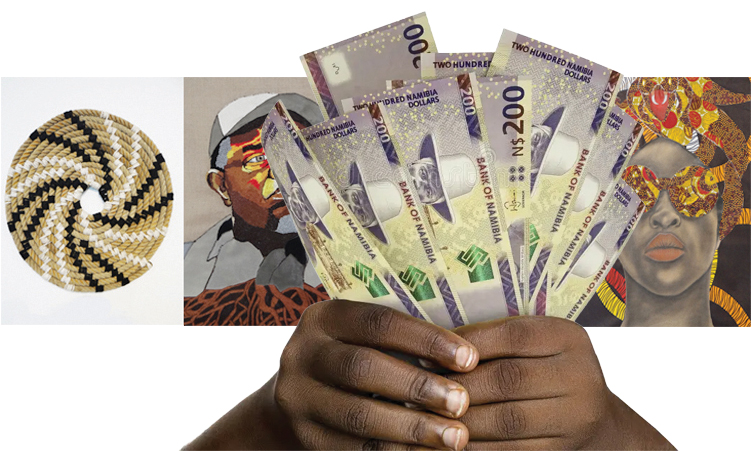
The National Arts Council of Namibia (NACN) has awarded three creative projects N$132 066 through its first grant disbursement cycle of the year to strengthen the country’s cultural and creative industries.
The funding, distributed across individual, group and organisational categories, supports initiatives in the Omaheke, Khomas and Oshana regions.
Announcing the successful applicants, council administrator Gretta Gaspar says the grants align with Namibia’s sixth National Development Plan, which identifies the creative sector as a contributor to economic growth, employment creation and innovation.
“As Namibia continues to advance the priorities of the sixth National Development Plan, the National Arts Council of Namibia remains committed to strengthening the creative and cultural industries as a strategic contributor to economic growth, employment creation, innovation, and social development,” she says.
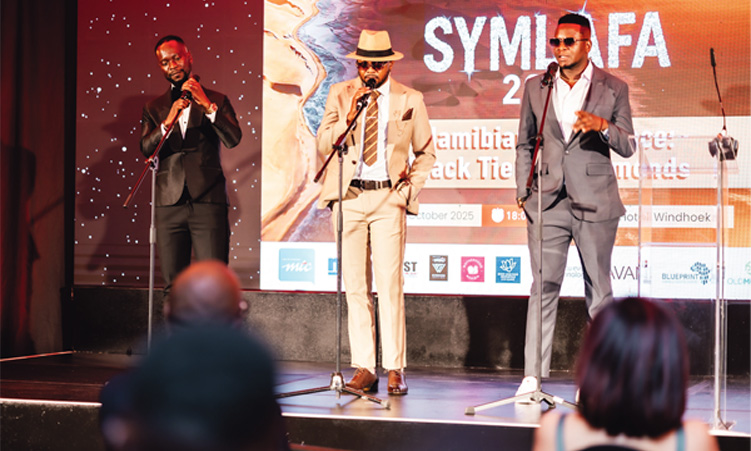
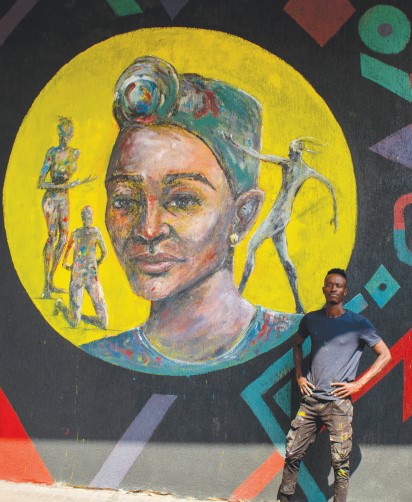
She says the council has approved funding for three projects: craft practitioner Dina Hiakaere from Omaheke, Manda Gabriel and Friends in Concert in the Khomas region in the music category, and the Ongoma Music Awards in the Oshana region in the multidisciplinary category.
“Through this cycle, the council has awarded a total of N$132 066 across three funding categories, namely individual, group, and organisation support,” Gaspar says.
While describing the allocation as one of the council’s smaller funding rounds, she emphasises its strategic value.
“While this represents one of the council’s smaller single-cycle disbursements to date, the funding remains a strategic investment to support impactful creative initiatives, foster artistic innovation, and stimulate sustainable growth within the cultural and creative economy,” she says.
Gaspar says the selected projects reflect the growing diversity and entrepreneurial potential of Namibia’s arts sector.
She says the grants support broader goals of inclusion and professional development within the industry.
“They further reflect the council’s ongoing commitment to inclusive sector development, capacity building, professionalisation, and the creation of opportunities for artists and cultural practitioners across the country,” Gaspar says.
Applications were assessed through a competitive evaluation process, with applicants required to demonstrate how their projects contribute to key national priorities.
“Applicants were required to demonstrate how their proposed initiatives align with the NACN’s strategic priorities and broader national development objectives for the creative economy,” she says.
Among the areas prioritised were creative entrepreneurship, innovation, cultural heritage preservation, youth development, support for women and people with disabilities, and improved market access for artists.
Gaspar says the council remains committed to ensuring public funding is allocated fairly and transparently.
“The NACN remains dedicated to the fair, transparent, and equitable disbursement of public funds in support of a thriving and sustainable creative sector,” she says.
She describes the funded projects as evidence of the resilience and innovation within Namibia’s creative industries.
“The approved projects are a testament to the resilience, creativity, and innovation of Namibia’s artists, creative entrepreneurs, and cultural organisations, who continue to contribute meaningfully to the country’s social and economic development,” Gaspar says.
The National Arts Fund was established through the National Arts Fund Act of 2005 and is administered by the arts council to support contemporary and traditional arts, particularly in underserved communities.
The council has encouraged artists, practitioners and creative organisations to apply for future funding opportunities.